Understanding Concussion Management
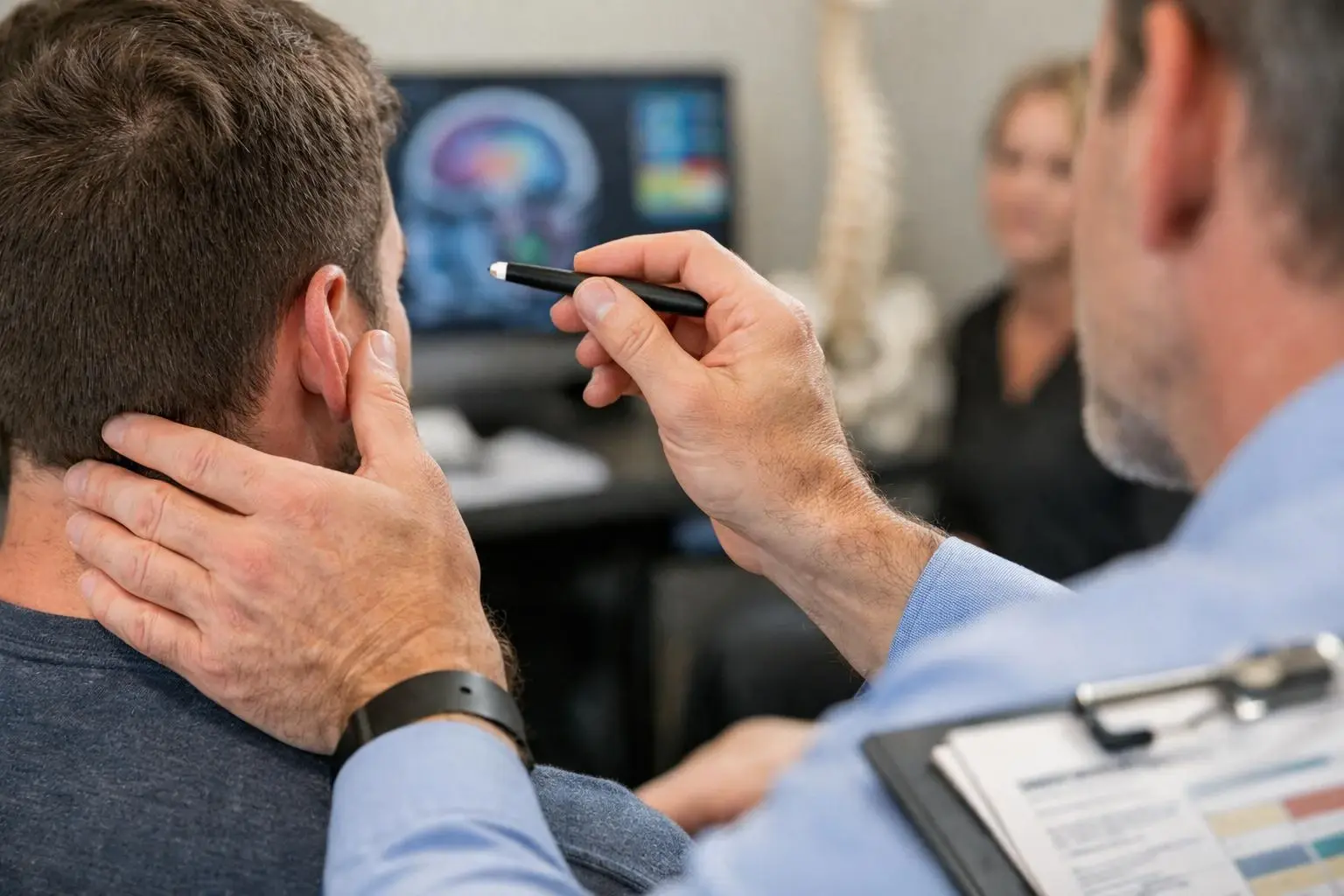
A concussion is a type of mild traumatic brain injury caused by a bump, blow. Or jolt to the head or body that makes the brain move quickly inside the skull. This sudden movement can stretch and damage brain cells, leading to temporary changes in how the brain works. Symptoms may include headache, dizziness, confusion, nausea, sensitivity to light or noise, balance problems. And difficulty concentrating. Because symptoms can appear hours or even days after the injury, Concussion Management starts with a careful medical evaluation to rule out more serious brain or neck injuries.
Related glossary terms: Physical Rehabilitation, Neuromuscular Re-education, Soft Tissue Injury.
Concussion Management is not just about waiting for symptoms to disappear. It's a proactive, step-by-step approach that helps the brain heal safely. The process begins with rest—both physical and cognitive—to reduce stress on the brain. This means avoiding activities that require intense thinking, like schoolwork or video games, as well as physical exertion like sports or heavy chores. As symptoms improve, a healthcare provider guides the patient through a gradual return to normal activities, ensuring each step doesn't cause symptoms to return. This careful pacing helps prevent setbacks and supports full recovery.
How Concussion Management Works?
Concussion Management follows a standardized protocol developed by medical experts, often based on guidelines from organizations like the Centers for Disease Control and Prevention (CDC) and the American Academy of Neurology. The first step is a thorough medical evaluation, which may include a neurological exam, balance testing. And sometimes imaging like a CT scan or MRI to rule out bleeding or swelling in the brain. Once a concussion is confirmed, the provider creates a personalized recovery plan that includes symptom tracking, rest. And gradual activity reintroduction.
The recovery plan typically follows a five-stage return-to-activity protocol. Each stage lasts at least 24 hours and only advances if symptoms don't return. For example, Stage 1 involves complete rest. While Stage 2 allows light aerobic activity like walking. Here is why. Later stages introduce sport-specific exercises, non-contact drills. And finally full-contact practice. If symptoms return at any stage, the patient returns to the previous step. This gradual approach ensures the brain is not overloaded before it is fully healed, reducing the risk of prolonged recovery or a second, more serious injury.
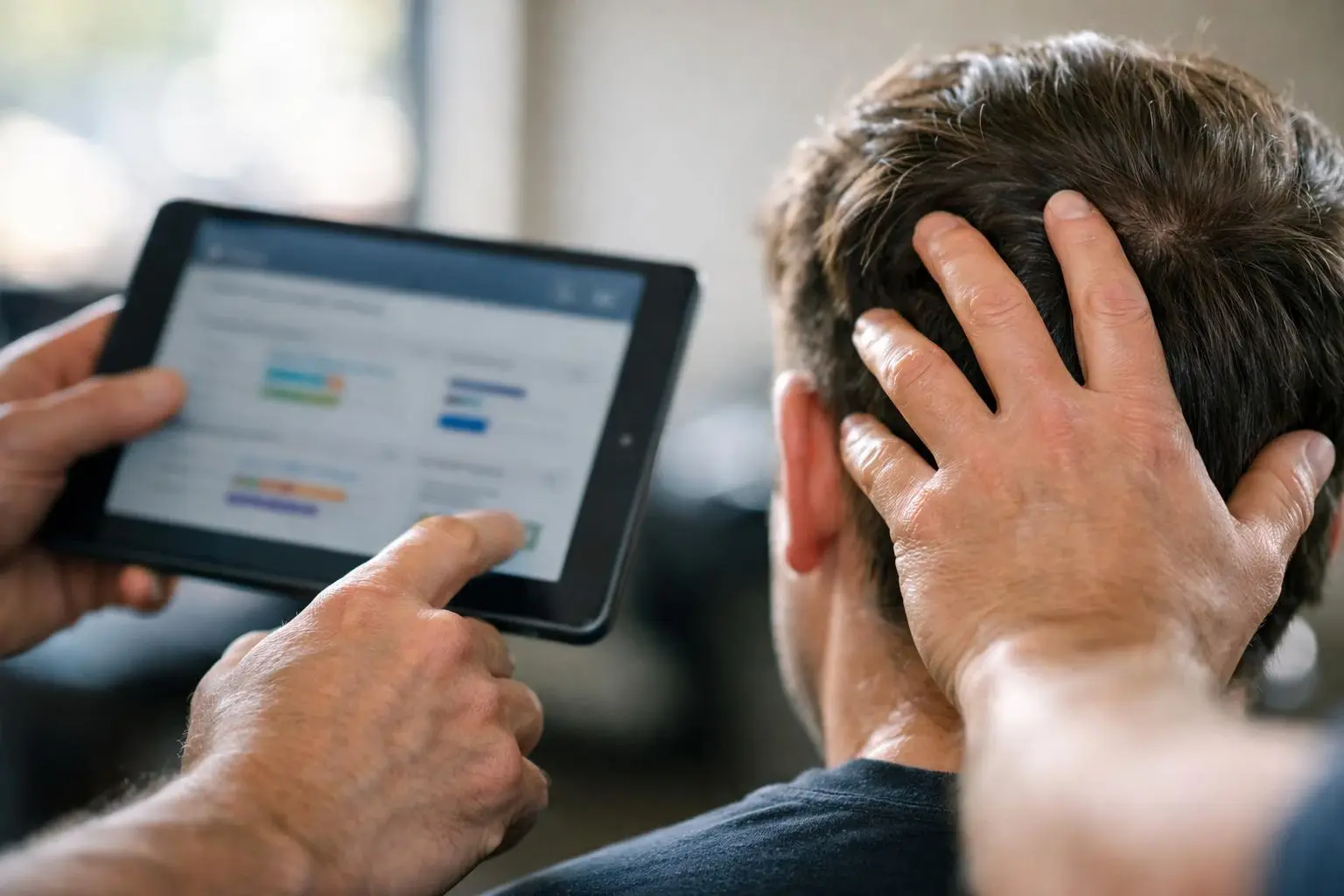
Healthcare providers use standardized tools like the Sport Concussion Assessment Tool (SCAT) or the Immediate Post-Concussion Assessment and Cognitive Testing (ImPACT) to measure symptoms, memory, concentration. And balance. These tools help track progress and guide decisions about when it is safe to return to school, work. Or sports. Parents, teachers, coaches. And employers often work together to support the recovery plan by adjusting workloads, schedules. And environments to reduce stress on the brain.
Why Concussion Management Matters?
Concussions may seem minor. But without proper management, they can lead to serious, long-term problems. Returning to physical activity or mental exertion too soon can cause symptoms to last weeks or months, a condition known as post-concussion syndrome. In rare cases, a second concussion before the first one heals can lead to a life-threatening condition called second impact syndrome, which causes rapid brain swelling. Proper Concussion Management reduces these risks by ensuring the brain has enough time and support to heal fully.
Beyond safety, Concussion Management also helps patients and families make informed decisions about recovery. Many people assume that once symptoms like headache or dizziness fade, they're ready to return to normal activities. But symptoms are not always a reliable indicator of brain healing. A structured management plan provides clear, evidence-based guidance on when it is safe to resume school, work. Or sports, reducing guesswork and anxiety for patients and caregivers. That means especially important for student-athletes, who may face pressure to return to play quickly.
When Concussion Management Matters Most?
Concussion Management is critical in situations where the risk of re-injury or prolonged recovery is high. This includes sports like football, soccer, basketball. And hockey, where players are at risk of repeated head impacts. Young athletes are particularly vulnerable because their brains are still developing. And they may take longer to recover than adults. Schools and sports organizations often have concussion protocols that require medical clearance before an athlete can return to play, making Concussion Management essential for compliance and safety.
For local customers, Concussion Management also matters in workplaces, especially in jobs with physical risks like construction, manufacturing. Or emergency response. Workers who return to duty too soon after a concussion may struggle with focus, balance. Or reaction time, increasing the risk of further injury. Similarly, students returning to school need academic accommodations, such as reduced workloads or extended deadlines, to avoid cognitive overload while their brain heals. Without proper management, concussions can lead to poor performance, frustration. And even long-term academic or professional setbacks.
In Hermitage, TN, Concussion Management plays a key role in chiropractic and sports injury care. Many local athletes, students. And workers experience concussions from sports, car accidents. Or workplace incidents. Chiropractors trained in concussion care can provide medical evaluations, monitor recovery. And coordinate with other healthcare providers to ensure a safe return to activity. This is especially important in communities with active youth sports programs and physically demanding jobs, where concussions are more likely to occur.