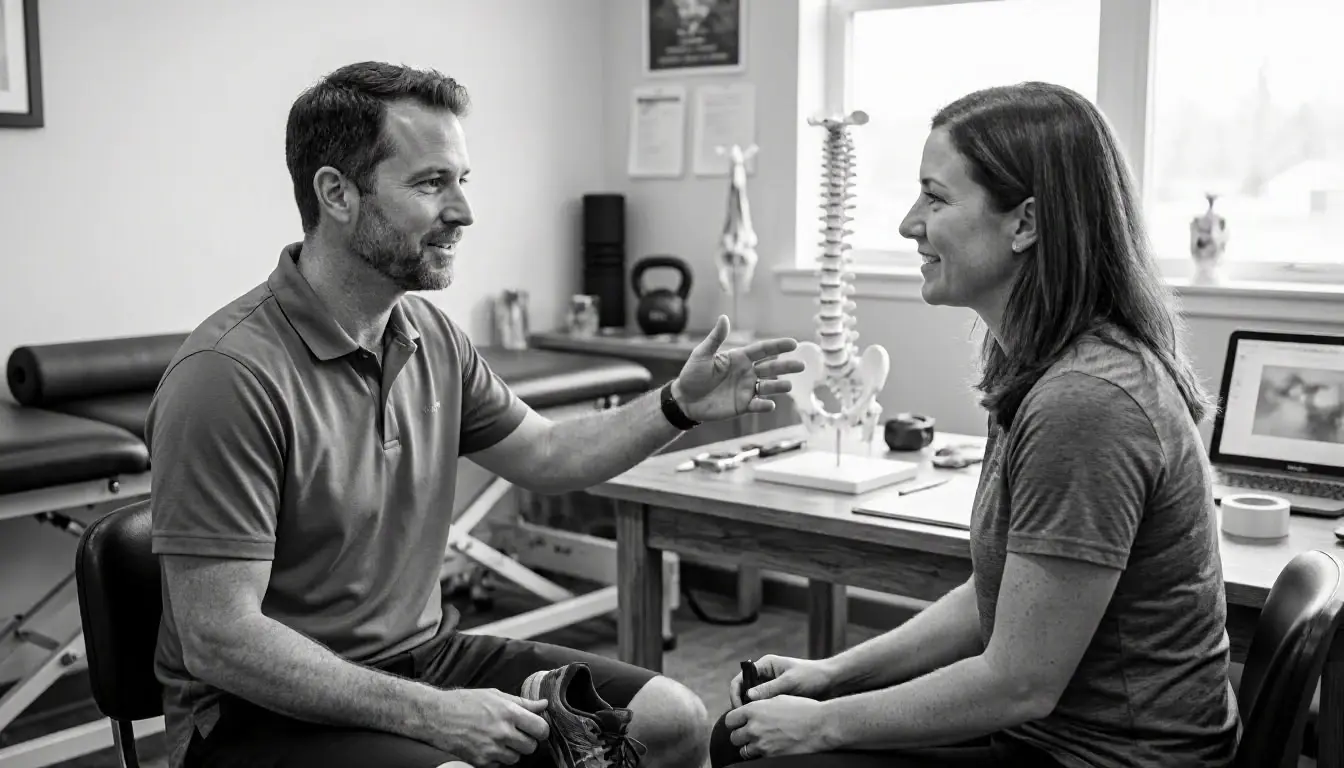
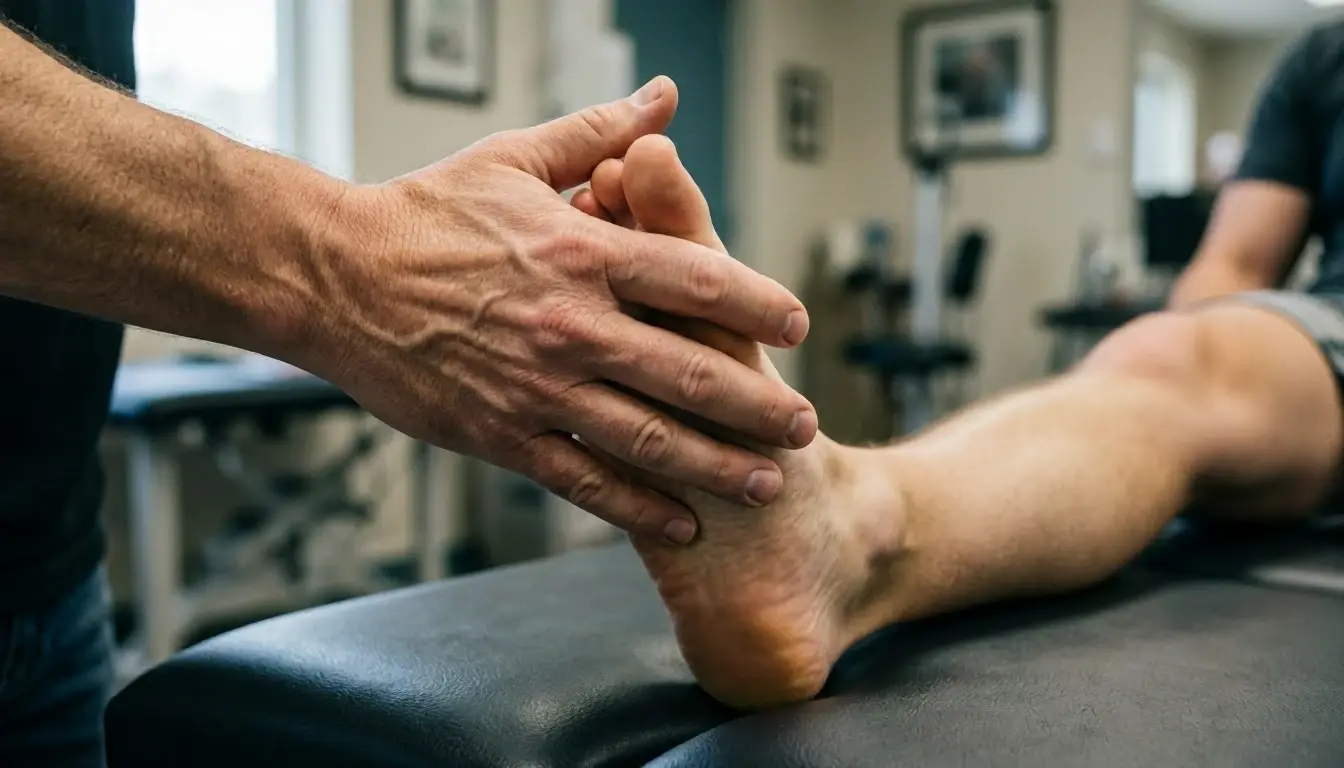
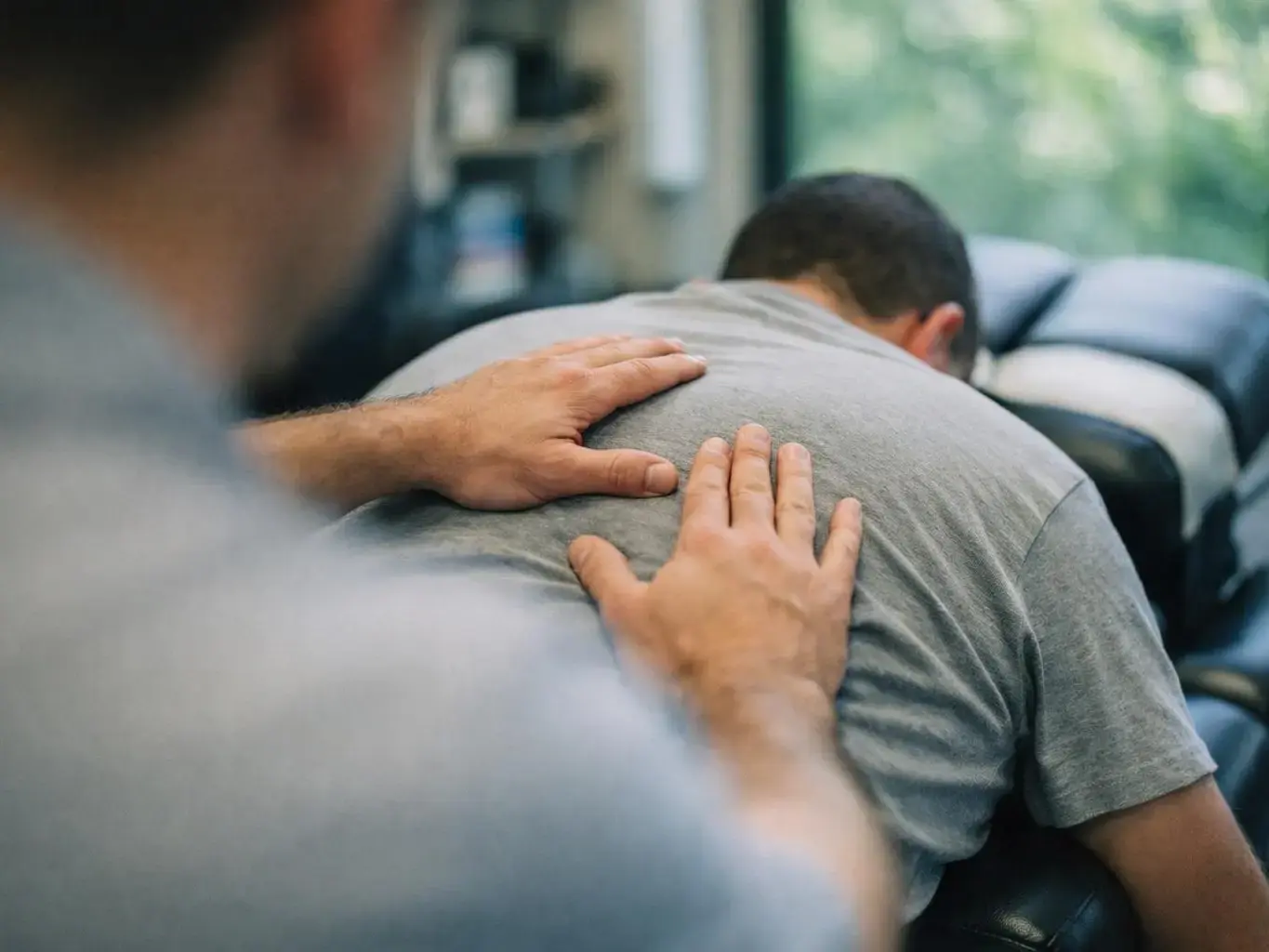
Chiropractic Sports Medicine is a specialized branch of chiropractic care focused on preventing, diagnosing. And treating musculoskeletal injuries related to sports and physical activity. Chiropractors in this field use hands-on adjustments, rehabilitation exercises. And injury prevention strategies to help athletes and active individuals recover faster, improve performance. And reduce the risk of future injuries.
Category
Specialized chiropractic care
Used for
Sports injuries, performance enhancement, injury prevention
Common confusion
Not the same as general chiropractic care or physical therapy
Also called
Sports Chiropractic, Chiropractic Care for Athletes
Often discussed with
Work Injury Treatment, Personal Injury Chiropractic Care

Chiropractic Sports Medicine mixes chiropractic care with sports injury knowledge. It helps athletes and active people.
Related glossary terms: Chiropractic Adjustment, Chiropractic Rehabilitation, Soft Tissue Injury.
General chiropractic care often treats back and neck pain. This type is different. It meets unique needs of athletes.
These chiropractors learn to find and fix injuries. Injuries like sprains, strains. And joint problems. They also treat overuse issues from sports.
This care looks at how the whole body moves. It doesn't just focus on the hurt spot. A runner with knee pain may need hip or ankle help too.
These providers work with other experts. They team up with physical therapists and trainers. They also work with sports medicine doctors.
The goal is to heal injuries. It's also to help the body work better during activity.
Chiropractic Sports Medicine uses hands-on treatments and exercises. It also teaches patients how to get better.
The process starts with a check-up. This includes movement tests and strength checks. They may use X-rays or MRIs too.
This helps the chiropractor find the problem. They learn what causes pain or limits performance.
Common treatments include spinal adjustments. They also do joint moves and soft tissue work. This can be massage or stretching.
Patients get exercises made just for them. These match their sport or activity.
A baseball pitcher may work on shoulder moves. A soccer player could do balance drills.
Chiropractors teach how to avoid injuries. They show proper warm-ups and stretches. They also teach how to listen to your body.
The approach is active. Patients get exercises to do at home. This helps them heal faster and play better.

Chiropractic Sports Medicine helps people stay active. It helps them recover without just using pills or surgery.
For athletes, quick care can mean less time off. They can return stronger. For others, it keeps them moving and stops small issues.
This care looks at the root cause. It doesn't just treat symptoms. This gives longer-lasting results.
It also helps improve performance. Even without injuries, athletes can get stronger and faster. They can also move better.
This means better speed, power. And endurance. For non-athletes, it helps with daily tasks.
It makes playing with kids easier. It helps with gardening or sitting at a desk too.
Chiropractic Sports Medicine helps in many cases. It's great after a sports injury.
Injuries like a sprained ankle or strained muscle. It also helps with joint pain from overuse.
It's good for people recovering from surgery. It helps after accidents like car crashes.
Athletes use it to get ready for games. It helps them avoid injuries.
It's also good for active people. Hikers, cyclists. And yoga lovers can use it.
It helps with nagging pains. It can also improve performance.
People with tough jobs can use it too. Like construction workers or nurses.
It keeps them strong and pain-free. It's good for those starting a new workout too.
It teaches how to exercise safely.

General chiropractic care focuses on overall spinal health and pain relief. While Chiropractic Sports Medicine specializes in sports injuries, performance. And activity-specific treatment.
Physical therapy often uses more exercise-based rehabilitation. While Chiropractic Sports Medicine combines adjustments, soft tissue work. And exercises tailored to athletic needs.
Sports medicine doctors are medical physicians who can prescribe medication or perform surgery. While chiropractors use non-surgical, hands-on treatments and rehabilitation.
Chiropractic Sports Medicine isn’t just for elite athletes. Many injuries and performance issues stem from poor movement patterns that develop over time. Addressing these early can prevent chronic problems and improve quality of life, even for non-athletes.
A high school soccer player sprains their ankle during a game. Instead of just resting, they visit a chiropractor specializing in sports medicine. The chiropractor adjusts the ankle and knee, teaches strengthening exercises. And shows the player how to tape their ankle for support. The player returns to the field faster and with less risk of re-injury.
Chiropractic Adjustment is a precise, hands-on procedure performed by a licensed chiropractor to correct misalignments in the spine or joints. These misalignments, called subluxations, can cause pain, reduce mobility. Or interfere with nerve function. The adjustment applies controlled force to restore proper movement, relieve discomfort. And support the body’s natural healing process.
Chiropractic Rehabilitation is a specialized branch of chiropractic care that combines spinal adjustments with therapeutic exercises, stretches. And lifestyle advice to restore function, reduce pain. And prevent future injuries. It focuses on healing soft tissues, improving mobility. And strengthening muscles to support long-term recovery after accidents, surgeries. Or chronic conditions.
Soft Tissue Injury is damage to the body’s muscles, tendons, ligaments. Or fascia caused by sudden trauma, overuse. Or repetitive strain. Soft Tissue Injury often results in pain, swelling, bruising. Or limited movement and can occur from accidents, sports. Or daily activities. Recovery typically involves rest, ice, compression.
Ligament Injury is damage to the tough, fibrous bands that connect bones to other bones at joints. Ligament injuries often occur during sudden twists, falls. Or impacts, leading to pain, swelling. And reduced joint stability. Common types include sprains, tears.
Herniated Disc is a spinal condition where the soft, gel-like center of a spinal disc pushes through a tear in the tougher outer layer. This can irritate nearby nerves, causing pain, numbness. Or weakness in the back, arms. Or legs. Herniated discs often occur in the lower back or neck due to injury, wear-and-tear.
ChiropractorHermitage.com
Contact ChiropractorHermitage.com for practical guidance on Chiropractic Sports Medicine and related chiropractor work in Hermitage.