Understanding Ligament Injury
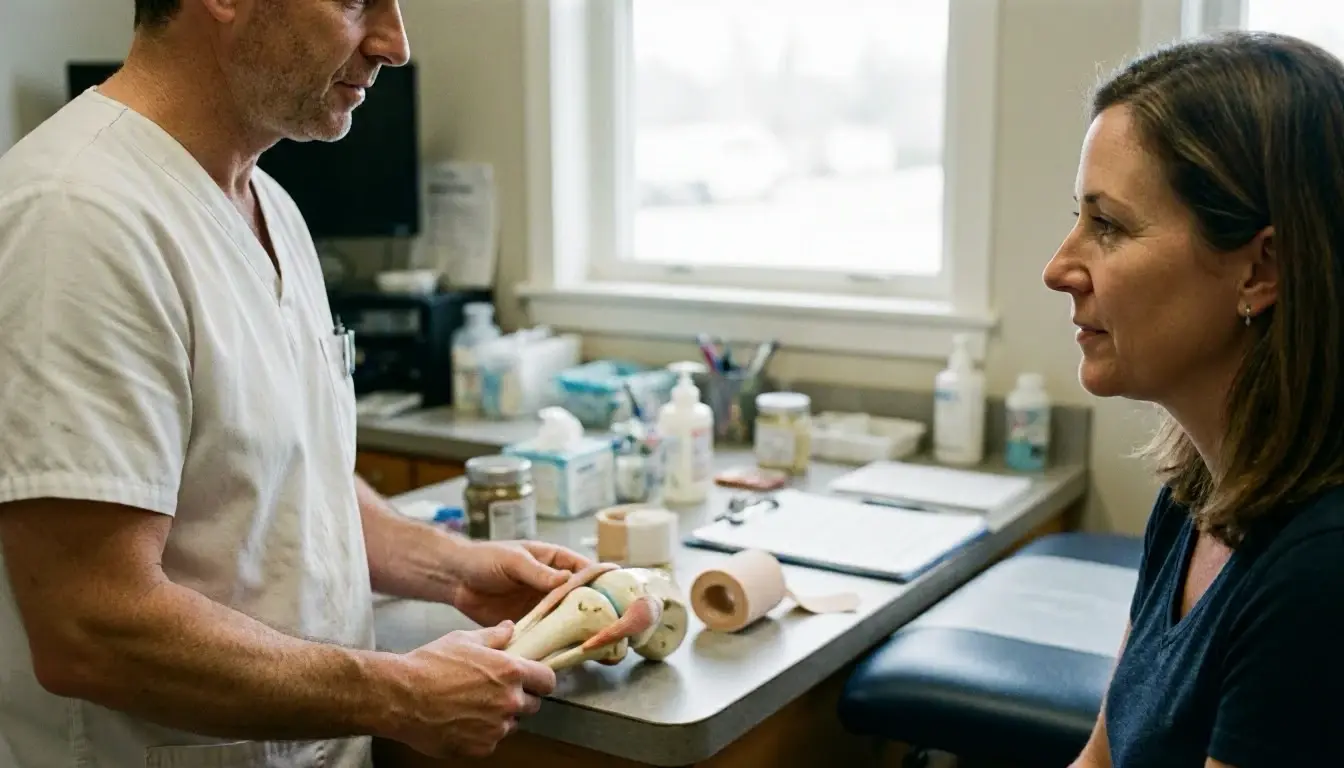
Ligaments are strong, stretchy bands. They connect bones at joints. They help joints move smoothly.
Ligaments can get hurt. They stretch too far or tear. This happens when joints move the wrong way.
When ligaments are hurt, joints may hurt too. They can swell or feel loose. This is common in active people.
People who play sports get these injuries. So do people in accidents. These accidents can be car crashes or falls.
Ligament injuries can be small or big. A small injury is called a sprain. A big injury may need a doctor.
Doctors sort ligament injuries by how bad they are. There are three grades. Grade 1 is the least bad.
Grade 1 means the ligament is stretched. Tiny tears happen. There is a little pain and swelling.
The joint still feels stable. Grade 2 is worse. The ligament is partly torn.
This causes more pain and swelling. The joint may feel loose. Grade 3 is the worst.
Grade 3 means the ligament is fully torn. There is a lot of pain. The joint feels very loose.
Bruising may happen. A doctor should check this. They may say you need surgery.
How Ligament Injury Works, Is Measured. Or Is Used?
Ligaments get hurt when joints move wrong. This can be twisting an ankle. It can be landing on a knee funny.
The sudden force is too much. The ligament can't stretch that far. So it tears.
The body sends help right away. Blood and healing cells go to the hurt spot. This causes swelling.
Pain tells your brain to stop moving. This keeps the injury from getting worse. Over time, the ligament heals.
New fibers grow to fix the tear. This process is called fibrosis.
A doctor checks ligament injuries. They look for swelling and pain. They test how stable the joint is.
They may order X-rays or MRI scans. These tests check for broken bones. They also show how bad the ligament is hurt.
An MRI can tell if the ligament is partly torn. Or if it's fully torn. Treatment depends on how bad it is.
Grade 1 and 2 injuries often heal on their own. Rest, ice. And wrapping help. This is called RICE.
Physical therapy helps too. It makes the joint strong again. Grade 3 injuries may need more help.
You might need a brace or a cast. Some people need surgery. This puts the ligament back together.
Why Ligament Injury Matters?
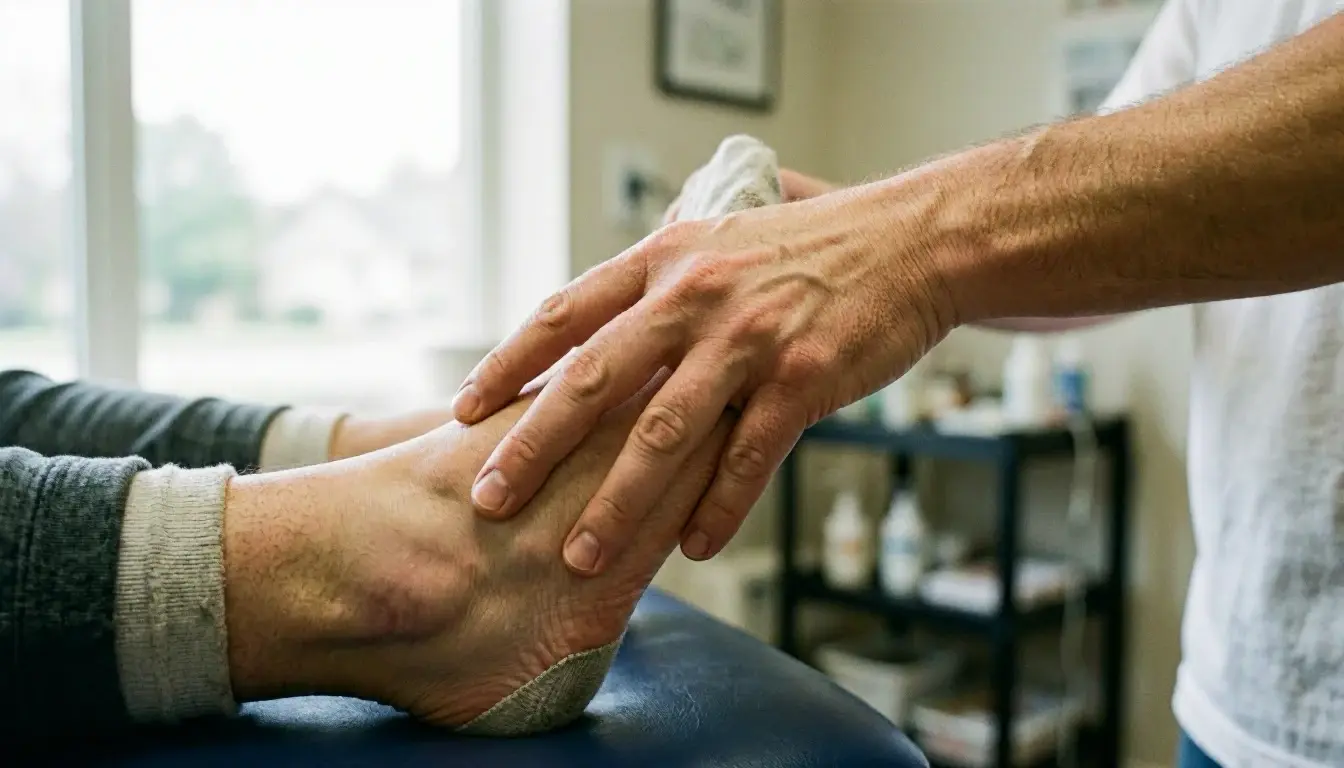
Ligament injuries can make life hard. They hurt your ability to move. They can stop you from working or playing.
A small sprain may only hurt for a little while. A bad tear can cause big problems. The joint may feel loose for a long time.
This can lead to more injuries. It can also cause arthritis. Athletes may miss games or seasons.
Even simple things can be hard. Walking or climbing stairs may hurt. Carrying groceries may be painful.
Not treating these injuries can cause problems later. A torn ACL is one example. This is a ligament in the knee.
The knee may give out when you move. This can hurt other parts of the knee. Over time, it can cause arthritis.
Arthritis is a painful joint problem. It makes moving hard. It can lower your quality of life.
Getting the right treatment is important. So is doing rehab. This helps the joint work right again.
When Ligament Injury Matters Most?
Ligament injuries matter most for joint use. Athletes need strong ligaments. This helps them play well and stay safe.
A basketball player with a hurt ankle can't jump. A soccer player with a torn ACL may miss a whole season.
People with hard jobs need strong ligaments too. Construction workers or nurses may struggle. They may miss work or change jobs.
Ligament injuries also matter after accidents. These can be car crashes or falls. Other injuries may seem worse.
But a ligament injury can cause long-term pain. It can make the joint loose. It can cause lasting problems.
Going back to work too soon can hurt more. The joint may get hurt again. This makes recovery take longer.
A doctor should check all injuries. They make sure the ligament heals right. This lowers the chance of future problems.