Glossary

What is Chiropractic Gonstead Technique?

Chiropractic Gonstead Technique is a hands-on method used by chiropractors to find and fix misalignments in the spine. It relies on detailed analysis, including X-rays, nerve scans. And motion checks, to target specific joints without twisting or cracking the neck or back forcefully. The goal is to restore proper movement and reduce pain.

Reviewed by ChiropractorHermitage.comSources reviewed: Gonstead Clinical Studies Society, National Board of Chiropractic Examiners

Quick Facts About Chiropractic Gonstead Technique

Category

Chiropractic adjustment method

Used for

Back pain, neck pain, sciatica. And joint stiffness

Common confusion

Often mistaken for general spinal manipulation. But uses more detailed analysis

Also called

Gonstead Method, Gonstead Technique

Often discussed with

Back Pain Treatment, Auto Accident Injury Doctor

Key Takeaways About Chiropractic Gonstead Technique

Understanding Chiropractic Gonstead Technique

Chiropractic Gonstead Technique in Chiropractor: Chiropractic Gonstead Technique is a hands-on method used by chiropractor...

The Gonstead Technique is a special way to fix spine problems. It finds and corrects bones in the spine that are out of place.

Related glossary terms: Chiropractic Adjustment, Chiropractic X-Ray, Herniated Disc.

This method is different from other chiropractic (spine) care. It uses a careful check to find the exact problem spot.

Chiropractors (spine doctors) trained in this method look at how you stand. They check how your spine moves. They also test your nerves.

Dr. Clarence Gonstead made this method in the 1920s. He studied how spine problems hurt nerves. This can affect your whole body.

How Chiropractic Gonstead Technique Works?

This method is very precise. Chiropractors don't use big or rough moves. They use light, exact pressure to fix just one bone.

This keeps other joints and muscles safe. Many people like it because it doesn't make popping sounds. Other methods often do.

The goal is to put bones back in place. This helps you move better. It also eases pain without extra hurt.

The Gonstead Technique has clear steps. First, the chiropractor looks at how you stand. They check if your spine looks straight.

Next, they use a nervoscope (a heat scanner). This tool finds spots where nerves are sore. It checks for swelling too.

This tool measures heat along your spine. Hot spots can mean bones are pushing on nerves.

Then, the chiropractor might take X-rays. They show bones in detail. This helps with long-term pain or injuries.

It's also good for scoliosis (curved spine). After finding the problem, they fix it with their hands.

You'll lie on your side or sit up. The chiropractor pushes the bone back in place. They do this with a quick, gentle move.

Another way is the "pelvic bench" fix. You lie face-down on a special table. This lets the chiropractor reach your lower back.

They can also work on your hips this way. The chiropractor checks if the fix worked. They test your spine and nerves again.

Why Chiropractic Gonstead Technique Matters?

How Chiropractic Gonstead Technique applies to Chiropractor services in Hermitage, United States—practical illustration

The Gonstead Technique is safe and works well. It doesn't use rough moves. It fixes only the bones that need help.

Many people see a chiropractor for pain. But not all methods work for everyone. This one is good for people who bruise easily.

It's also good for kids and older adults. People with osteoporosis (weak bones) can use it too.

It targets only bad spots. This keeps healthy joints safe. Other methods might hurt good joints.

This method uses special tools. X-rays and nervoscopes guide the work. They help the chiropractor know exactly where to fix.

This means better results. It also means fewer treatments. This helps people with long-term back pain.

It helps with sciatica (leg pain) and headaches too. The method finds the real cause of pain.

When Chiropractic Gonstead Technique Matters Most?

The Gonstead Technique is great when safety matters. It's good for injuries from car crashes. It helps with sports injuries too.

People with herniated discs (bulging spine cushions) can use it. It also helps spinal stenosis (narrow spine).

The method doesn't push too hard. It's safe for sensitive spots.

Some people don't like rough fixes. Others fear popping sounds. This method is gentler. It still helps pain and movement.

It's good for long-term care too. People with scoliosis (curved spine) can use it. So can those with worn-out spine cushions.

It gives the same fix each time. This keeps progress steady.

In Hermitage, TN, chiropractors use this method. They help people hurt in car crashes. It's also good for work injuries.

The careful checks and exact fixes make it reliable. It helps with sudden pain. It also helps with pain you've had for years.

The Gonstead Technique is a smart choice. It uses facts to guide care.

How to Evaluate Chiropractic Gonstead Technique?

Related Concepts Compared

Chiropractic Gonstead Technique vs. Chiropractic Activator

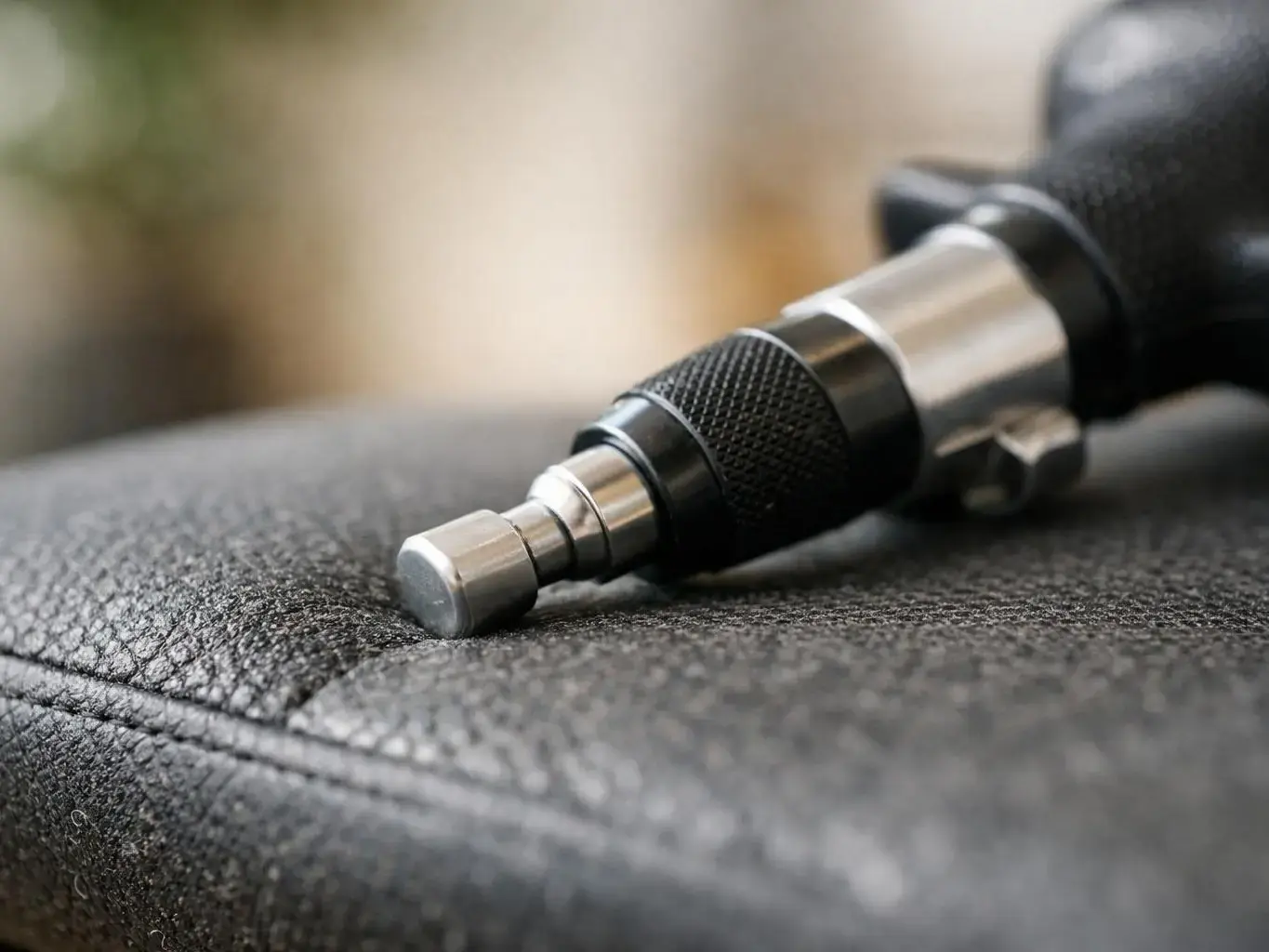
The Activator method uses a handheld tool to deliver a quick, low-force impulse to the spine. While the Gonstead Technique relies on manual adjustments with detailed analysis.

Chiropractic Gonstead Technique vs. Chiropractic Adjustment (general)

General chiropractic adjustments may involve broad manipulations. While the Gonstead Technique focuses on specific, targeted corrections using detailed exams.

Chiropractic Gonstead Technique vs. Flexion Distraction

Flexion Distraction uses a specialized table to stretch and decompress the spine, whereas the Gonstead Technique focuses on precise manual adjustments to misaligned vertebrae.

Expert Note

The Gonstead Technique’s emphasis on detailed analysis sets it apart from other chiropractic methods. By combining visual exams, nerve scans. And X-rays, chiropractors can identify the exact source of spinal dysfunction, leading to more effective and lasting results.

Common Mistakes or Myths About Chiropractic Gonstead Technique

  • Assuming all chiropractic adjustments are the same—Gonstead Technique uses specific tools and methods.
  • Expecting immediate pain relief after one session—some patients need multiple adjustments for lasting results.
  • Thinking the technique involves forceful twisting—it actually uses gentle, targeted pressure.

Chiropractic Gonstead Technique in Practice: A Real-World Example

A patient visits a chiropractor in Hermitage, TN, complaining of lower back pain after a car accident. The chiropractor uses a nervoscope to scan the spine and finds inflammation near the L4 vertebra. After reviewing X-rays, the chiropractor performs a gentle Gonstead adjustment to realign the joint, reducing pain and improving mobility.

Related Services

Related Terms

Chiropractic Adjustment

Chiropractic Adjustment is a precise, hands-on procedure performed by a licensed chiropractor to correct misalignments in the spine or joints. These misalignments, called subluxations, can cause pain, reduce mobility. Or interfere with nerve function. The adjustment applies controlled force to restore proper movement, relieve discomfort. And support the body’s natural healing process.

Chiropractic X-Ray

Chiropractic X-Ray is a specialized imaging technique used by chiropractors to view the bones, joints. And alignment of the spine and surrounding structures. Chiropractic X-Rays help identify misalignments, fractures, degenerative changes. Or other abnormalities that may guide safe and effective chiropractic care. These images are typically taken in-office using low-radiation equipment and interpreted by trained professionals.

Herniated Disc

Herniated Disc is a spinal condition where the soft, gel-like center of a spinal disc pushes through a tear in the tougher outer layer. This can irritate nearby nerves, causing pain, numbness. Or weakness in the back, arms. Or legs. Herniated discs often occur in the lower back or neck due to injury, wear-and-tear.

Spinal Decompression

Spinal Decompression is a non-surgical therapy designed to relieve pressure on the spine and spinal nerves. It involves gently stretching the spine using a motorized table or device to create negative pressure within spinal discs, which can help herniated or bulging discs retract, promote nutrient-rich fluids to flow into discs. And encourage healing.

ChiropractorHermitage.com

Have Questions About Chiropractic Gonstead Technique?

Contact ChiropractorHermitage.com for practical guidance on Chiropractic Gonstead Technique and related chiropractor work in Hermitage.

+1 615-777-0624