Glossary

What is Chiropractic BioPhysics?

Chiropractic BioPhysics is a science-based chiropractic technique that combines biology, physiology, physics, geometry. And anatomy to identify and correct spinal misalignments. It uses precise measurements, mirror-image adjustments. And traction to restore proper spinal alignment and improve posture over time.

Reviewed by ChiropractorHermitage.comSources reviewed: Ideal Spine (Chiropractic BioPhysics official organization), Journal of Chiropractic Medicine

Quick Facts About Chiropractic BioPhysics

Category

Chiropractic technique

Used for

Posture correction and spinal remodeling

Common confusion

Traditional chiropractic adjustments only

Also called

CBP, Ideal Spine Technique

Often discussed with

Neck Pain Treatment, Back Pain Treatment

Key Takeaways About Chiropractic BioPhysics

Understanding Chiropractic BioPhysics

Chiropractic BioPhysics in Chiropractor: Chiropractic BioPhysics is a science-based chiropractic technique that combines b...

CBP is short for Chiropractic BioPhysics. It's a way to fix spines using science. Most chiropractic care just eases pain. CBP looks at the whole spine's shape.

Related glossary terms: Chiropractic Adjustment, Spinal Decompression, Chiropractic Rehabilitation.

It uses biology, physics. And math. These help move the spine back to a healthy spot. The goal is to fix the real cause of pain. It doesn't just hide the problem.

Doctors and researchers made CBP. They wanted a better way to help patients. They studied many healthy spines. This helped them make a model of a normal spine.

If your spine doesn't match this model, CBP can help. It uses tools and exercises to guide it back. CBP helps people with back pain, neck pain. And headaches. It also helps with scoliosis (a curved spine).

How Chiropractic BioPhysics Works?

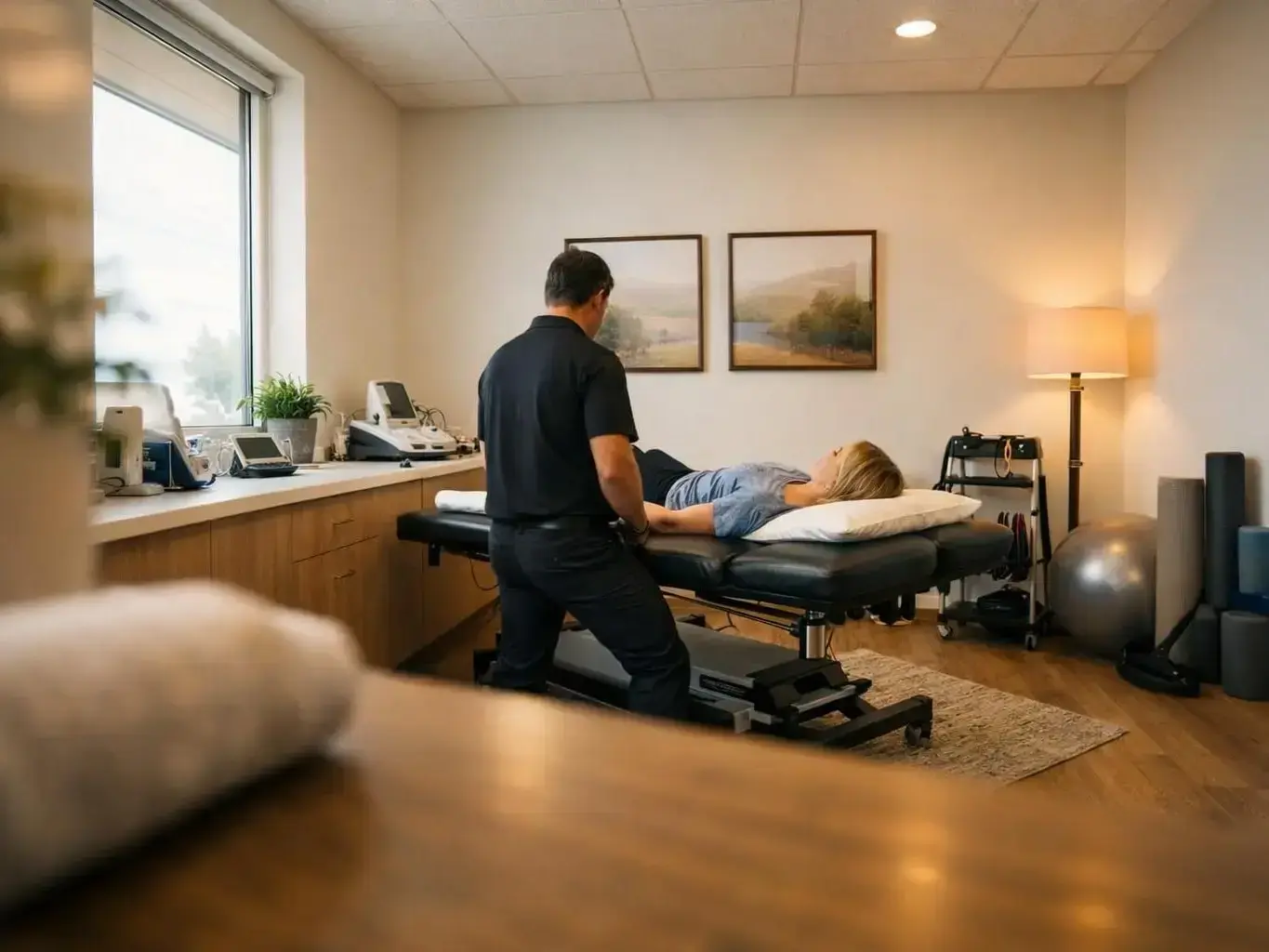
CBP starts with a full exam. The chiropractor takes X-rays. They also take photos of your posture. These show your spine's shape and position.

They compare your spine to the ideal model. Then they make a plan just for you. The plan has three parts: adjustments, traction. And exercises.

Adjustments in CBP are called mirror-image adjustments. If your head tilts right, they push it left. This helps fix the misalignment (when bones are out of place).

Traction is another key part. It uses tables or devices to stretch your spine. This helps reshape it over time. You'll also do exercises at home. These help keep your spine in the new position.

The process is slow. You'll have check-ups to track progress. CBP providers use software to see changes. This helps them adjust your plan if needed.

Reshaping your spine takes weeks or months. But many people feel less pain. Their posture gets better too.

Why Chiropractic BioPhysics Matters?
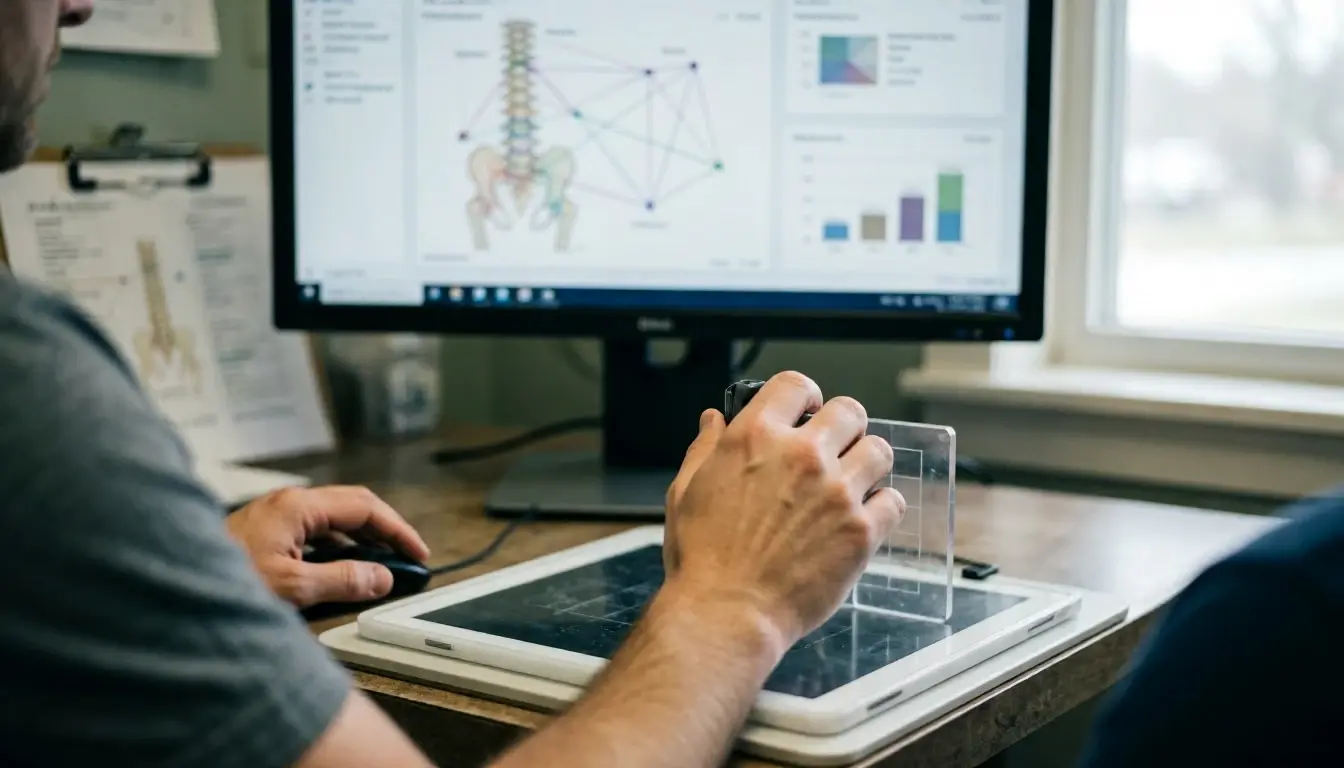
How Chiropractic BioPhysics applies to Chiropractor services in Hermitage, United States—practical illustration

CBP matters because it fixes the real problem. Most treatments just hide pain. Many people have bad posture or spine shape. They don't even know it.

These problems can cause more pain over time. They can also cause stiffness. They might even hurt your nerves. CBP uses science to help your spine. This can reduce pain and help you feel better.

CBP is also backed by research. Studies show it helps with back pain. It can help scoliosis too. It may even help with breathing problems.

The treatment uses measurements. You can see real changes in your spine. This makes CBP great for long-term results. It's not just a quick fix.

When Chiropractic BioPhysics Matters Most?

CBP helps people with long-term spine problems. Other treatments may not work for them. It's great for bad posture, scoliosis. Or pain that keeps coming back.

CBP uses exact measurements. This lets you see your progress. It's good if you want clear results.

People who tried other chiropractic care may like CBP. It helps with whiplash from car accidents. It also helps workers with strain injuries. Older adults with spine problems may benefit too.

Kids with scoliosis can use CBP. It guides their spine as they grow. But CBP isn't for everyone. People with some health issues need other care.

For example, severe osteoporosis (weak bones) may not be right for CBP. Spinal infections need different treatment too.

How to Evaluate Chiropractic BioPhysics?

Related Concepts Compared

Chiropractic BioPhysics vs. Traditional chiropractic adjustment

Traditional chiropractic focuses on quick pain relief through manual adjustments. While Chiropractic BioPhysics uses science and measurements to reshape the spine over time.

Chiropractic BioPhysics vs. Physical therapy

Physical therapy often uses exercises and stretches to strengthen muscles. While Chiropractic BioPhysics focuses on correcting spine shape and alignment using traction and adjustments.

Expert Note

Chiropractic BioPhysics is unique because it treats the spine like a structure that can be remodeled, similar to orthodontics for teeth. The key is consistency—patients must follow the full plan to see lasting changes.

Common Mistakes or Myths About Chiropractic BioPhysics

  • Thinking CBP is just another name for regular chiropractic care—it uses science and measurements for long-term changes.
  • Expecting quick fixes; CBP takes weeks or months to reshape the spine.
  • Skipping home exercises—these are key to keeping the spine in the new position.
  • Assuming all chiropractors are trained in CBP—look for certification from Ideal Spine.

Chiropractic BioPhysics in Practice: A Real-World Example

A 45-year-old office worker with chronic neck pain and forward head posture starts Chiropractic BioPhysics. After X-rays, the chiropractor finds her head is three inches forward. Over three months, she receives mirror-image adjustments, neck traction. And posture exercises. Follow-up X-rays show her head is now one inch forward. And her pain is gone.

Related Services

Related Terms

Chiropractic Adjustment

Chiropractic Adjustment is a precise, hands-on procedure performed by a licensed chiropractor to correct misalignments in the spine or joints. These misalignments, called subluxations, can cause pain, reduce mobility. Or interfere with nerve function. The adjustment applies controlled force to restore proper movement, relieve discomfort. And support the body’s natural healing process.

Spinal Decompression

Spinal Decompression is a non-surgical therapy designed to relieve pressure on the spine and spinal nerves. It involves gently stretching the spine using a motorized table or device to create negative pressure within spinal discs, which can help herniated or bulging discs retract, promote nutrient-rich fluids to flow into discs. And encourage healing.

Chiropractic Rehabilitation

Chiropractic Rehabilitation is a specialized branch of chiropractic care that combines spinal adjustments with therapeutic exercises, stretches. And lifestyle advice to restore function, reduce pain. And prevent future injuries. It focuses on healing soft tissues, improving mobility. And strengthening muscles to support long-term recovery after accidents, surgeries. Or chronic conditions.

Chiropractic X-Ray

Chiropractic X-Ray is a specialized imaging technique used by chiropractors to view the bones, joints. And alignment of the spine and surrounding structures. Chiropractic X-Rays help identify misalignments, fractures, degenerative changes. Or other abnormalities that may guide safe and effective chiropractic care. These images are typically taken in-office using low-radiation equipment and interpreted by trained professionals.

ChiropractorHermitage.com

Have Questions About Chiropractic BioPhysics?

Contact ChiropractorHermitage.com for practical guidance on Chiropractic BioPhysics and related chiropractor work in Hermitage.

+1 615-777-0624