Share symptoms and injury history
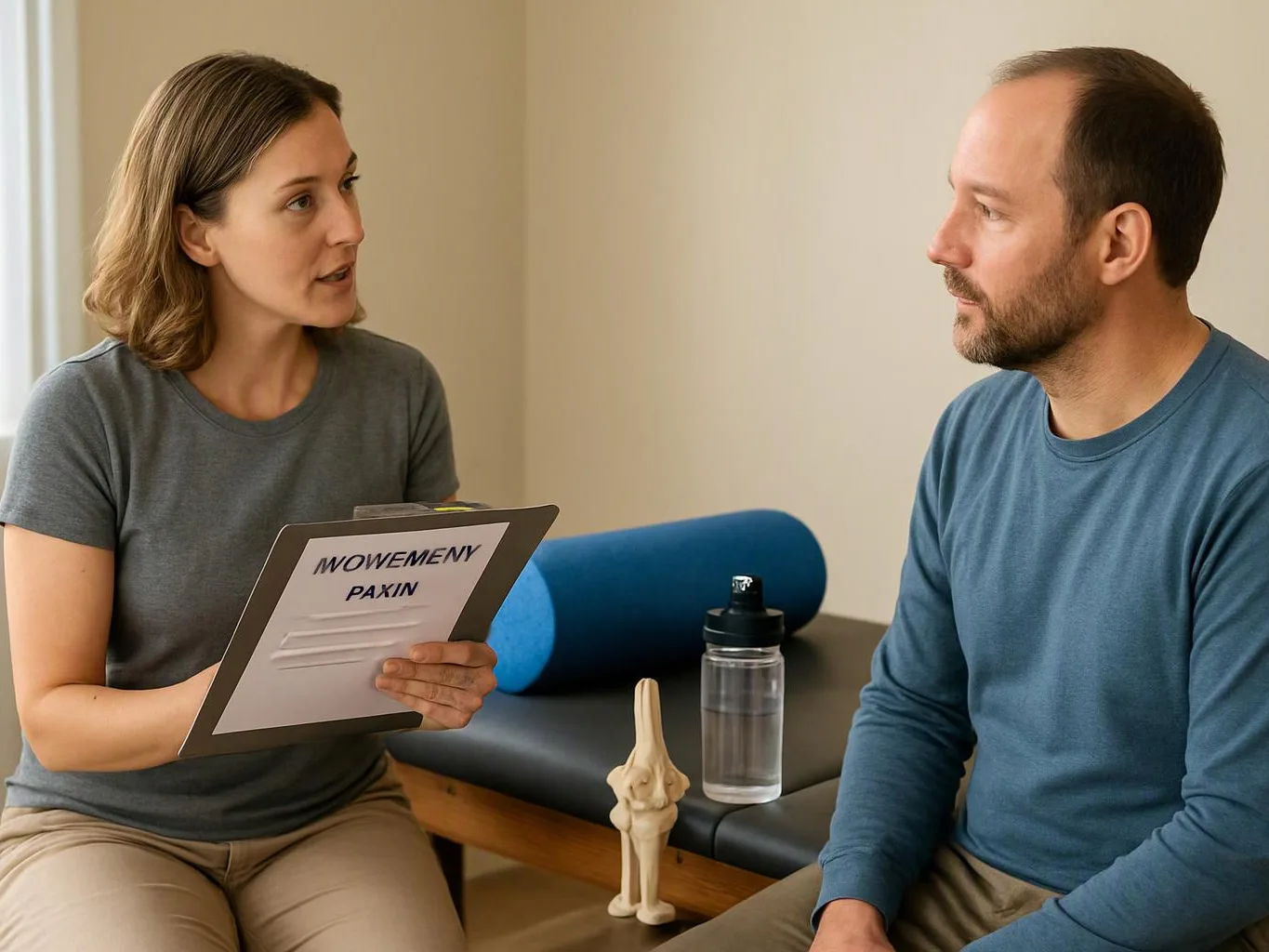
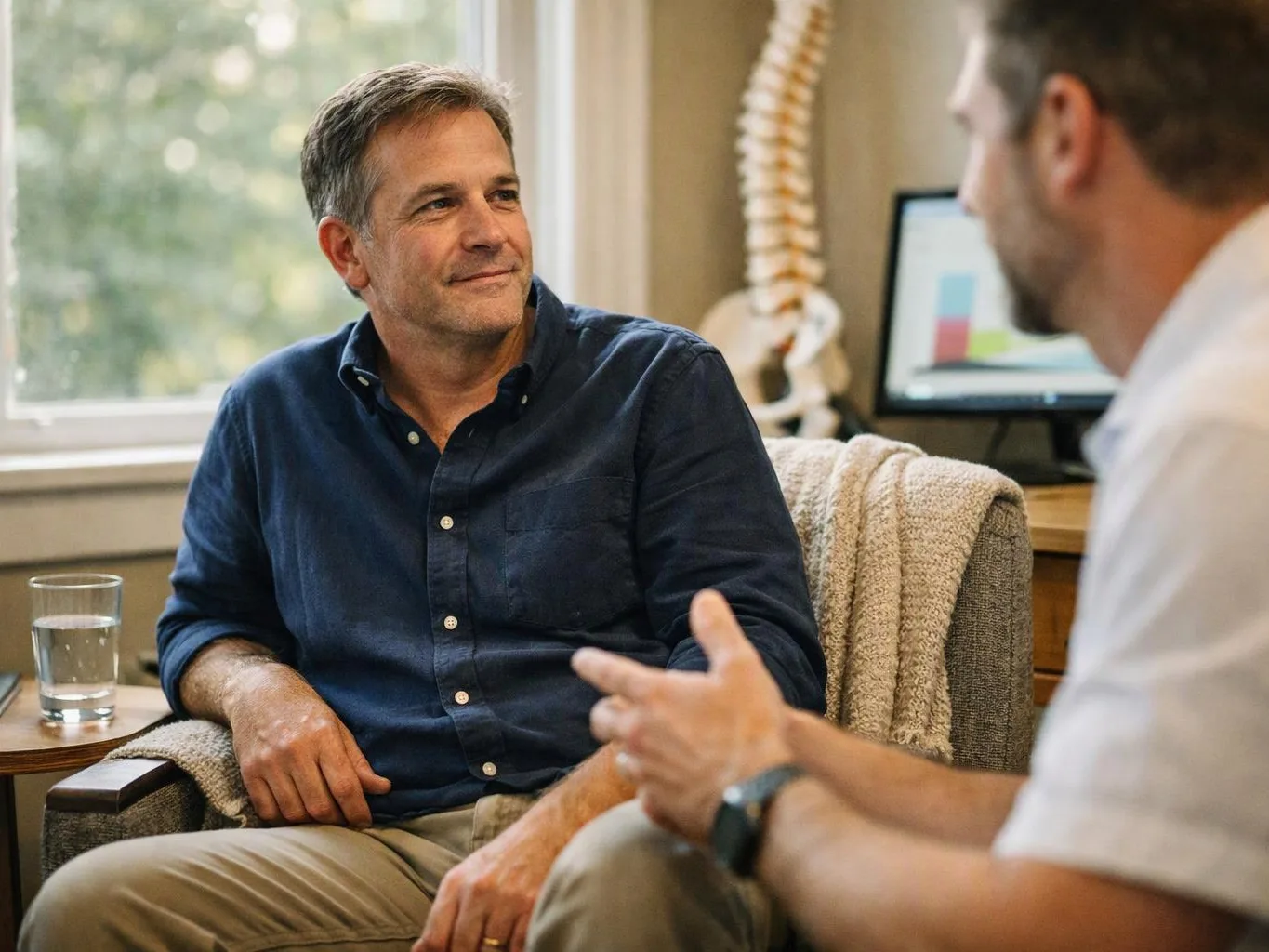
During the new patient intake, we record your pain, activity limits, medical history, and injury details.
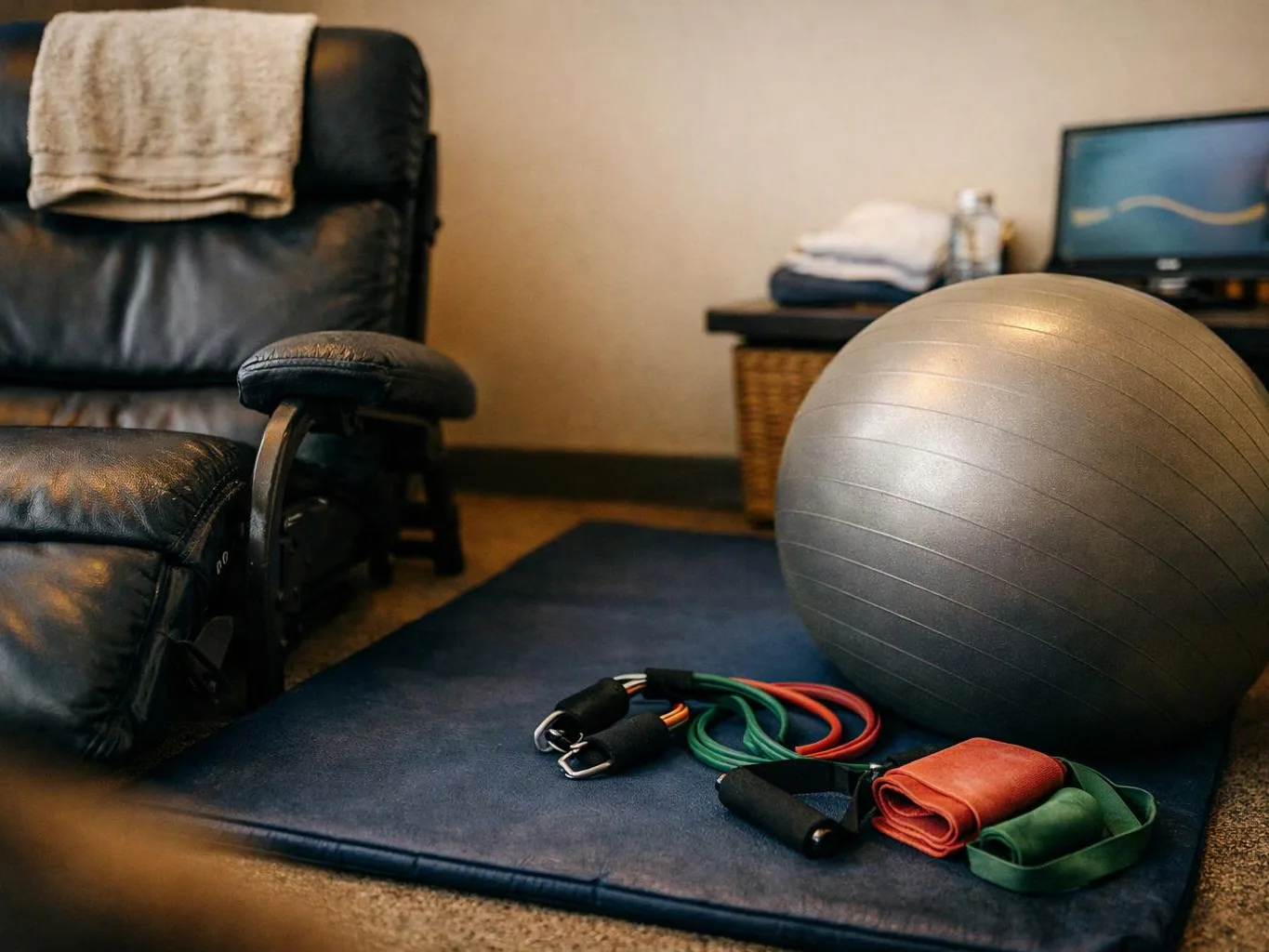
We use guided movement to support mobility after accidents, falls, and ongoing pain. Our care team explains each exercise before you begin.
You get movement practice linked to your injury and daily activities.
You learn how to notice strain before it changes your form.
Your plan can address mobility limits alongside chiropractic rehabilitation.
Regular maintenance may support lasting mobility after active injury care.
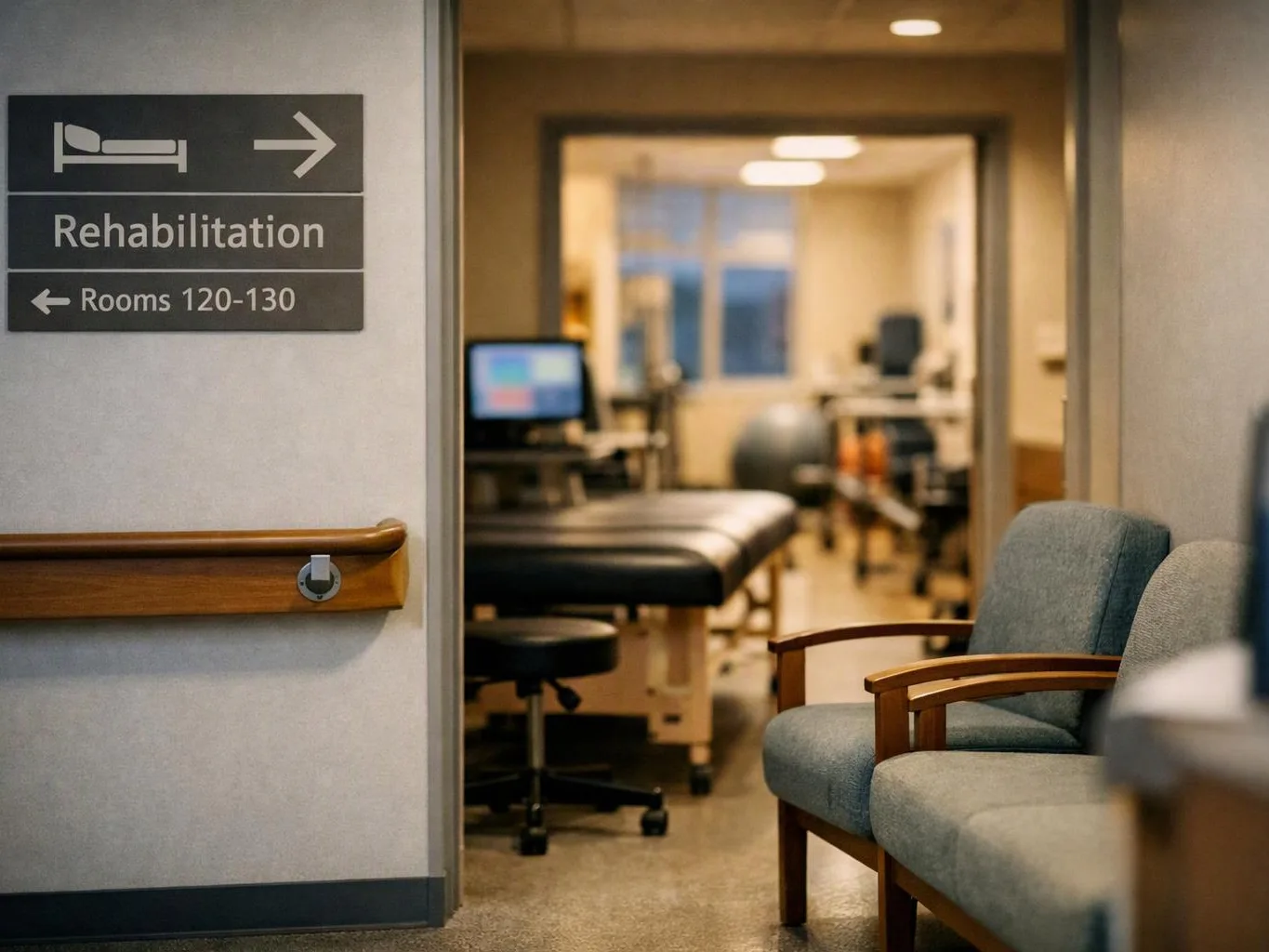
Therapeutic exercise uses planned movements to help you practice control, mobility, and strength. We focus on the body areas affected by your symptoms, such as the spine, hips, shoulders, or knees. The workflow matters. Your history and examination findings shape the discussion, and the plan may change as your movement changes. Exercise is one part of care, so it may be combined with chiropractic adjustments or rehabilitation when those services fit your needs. Our view is simple: exercise should match the person, not a stock routine. A movement that helps one patient may strain another, especially after whiplash, a fall, or a workplace injury.
Therapeutic Exercise is guided movement that supports strength, flexibility, balance, and functional recovery.
Bring information that helps us connect your exercise needs with your injury and daily routine.
During the new patient intake, we record your pain, activity limits, medical history, and injury details.
Our medical team evaluates the affected area and considers diagnostic testing when clinically indicated.
We discuss the recommended care approach, the purpose of each movement, and how the plan relates to your findings.
We guide therapeutic exercise that matches your current mobility and functional goals.
We review how movement feels and adapt the plan when symptoms or function change.
We explain relevant findings and the recommended movement approach before therapeutic exercise begins.
We adapt exercise discussions to each patient's history, concerns, symptoms, and examination findings.
We connect chiropractic adjustments, rehabilitation, and therapeutic exercise to support each patient's functional recovery.

It’s been a short time since I have been in therapy with this place , however I felled so much better, I personally thank the hospitality and professional manner they are dealing with my body problems. Thank you very much

I love Dr. Robert's and the entire staff. Everyone treated me like family. They are kind, caring, respectful, and professional. The therapy has been beneficial to healing.

My experience here has been excellent. They take into consideration my needs and personalize the treatment to my ability. The staff is kind and friendly and explains things to my understanding. Highly recommended
Advanced Injury Care Clinic begins with a consultation about your symptoms, injury history, and movement limits. We’ll explain the recommended care approach before treatment begins.

Whiplash or back pain can make turning, reaching, and sitting feel harder after a crash. Therapeutic exercise must match current neck and spine movement, so pushing through sharp pain isn't a safe plan. Bring your accident history and any records to the consultation. We’ll review your symptoms and discuss the next movement step.
Chronic pain may flare during walking, lifting, or standing, even when the task seems routine. The key question is how your joints and muscles respond to each movement. Note which tasks trigger symptoms before your visit. Our care team can use that information when discussing a movement plan.
A workplace injury may leave weakness, stiffness, or reduced control in the back, shoulder, hip, or knee. Exercise choices should reflect the injury history and the demands of your job. Bring any available medical paperwork and describe the tasks that feel unsafe. We’ll explain the findings before treatment begins.