Skip to content

Applied Kinesiology in Hermitage, Tennessee

Muscle testing can add detail to an injury or mobility evaluation. We connect those findings with your symptoms and health history.

5 · 857 ReviewsUpfront, Transparent PricingServing 12 CommunitiesMon-Fri: 9 am–7 pm, Sat: 9 am–2 pm, Sun: Closed
Applied Kinesiology helps people in Hermitage assess muscle function alongside pain, injury, and movement concerns. Advanced Injury Care Clinic reviews your symptoms and injury history, then explains possible care options before treatment begins. Our team supports people affected by car accidents, workplace injuries, slips and falls, whiplash, neck pain, back pain, and chronic pain. You can begin with a free consultation to discuss your concerns and possible diagnostic testing.

Our Track Record

Average Rating
5
Customer Reviews
857

What this muscle assessment helps you understand

You get more detail about how pain may affect movement and muscle use.

Your care discussion connects muscle findings with your health history.

You receive an explanation of possible next steps before treatment begins.
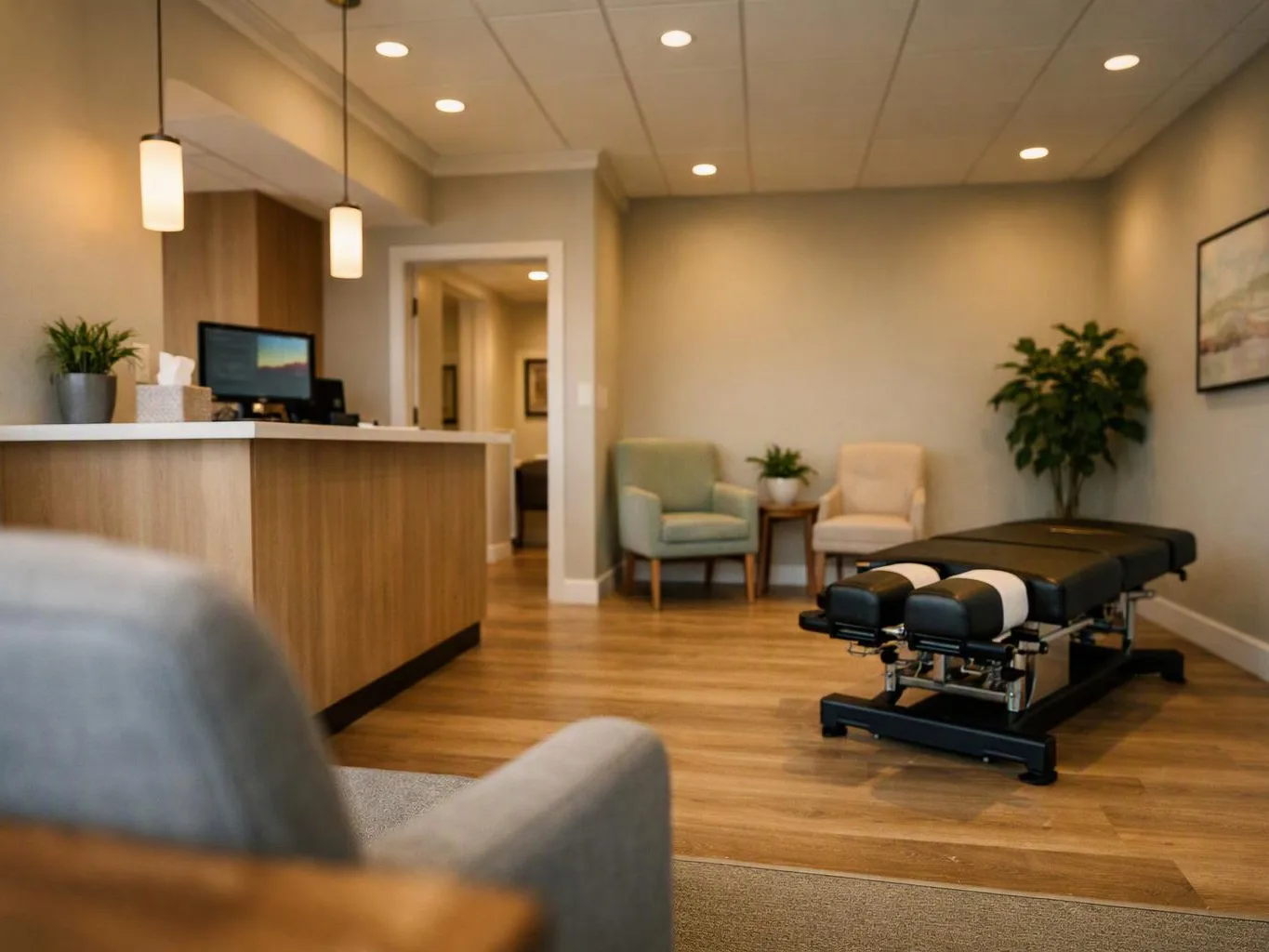
A modern clinic waiting room shows a reception desk, chairs, and an adjustment table on wood flooring
About

How muscle testing fits an injury evaluation

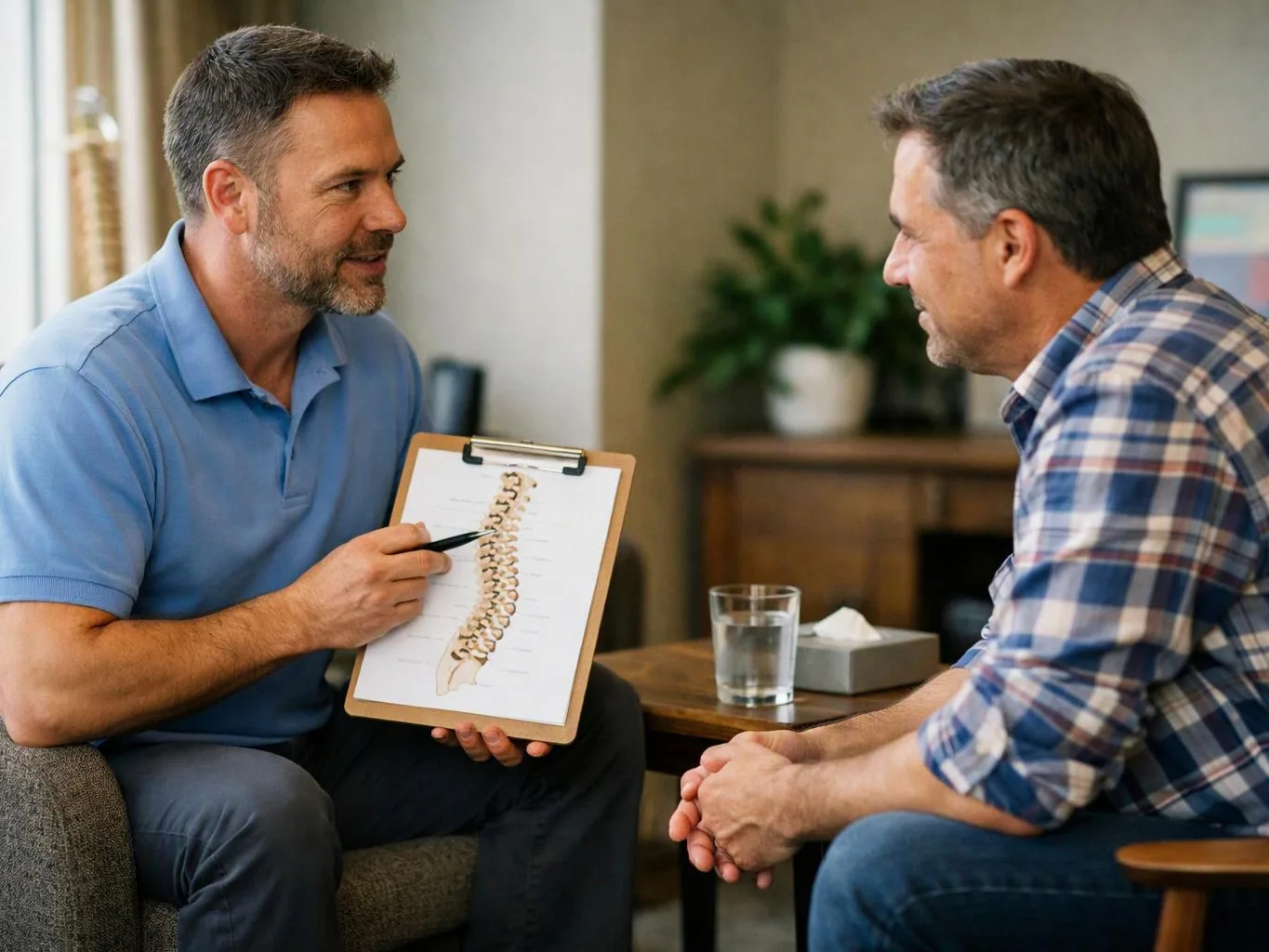
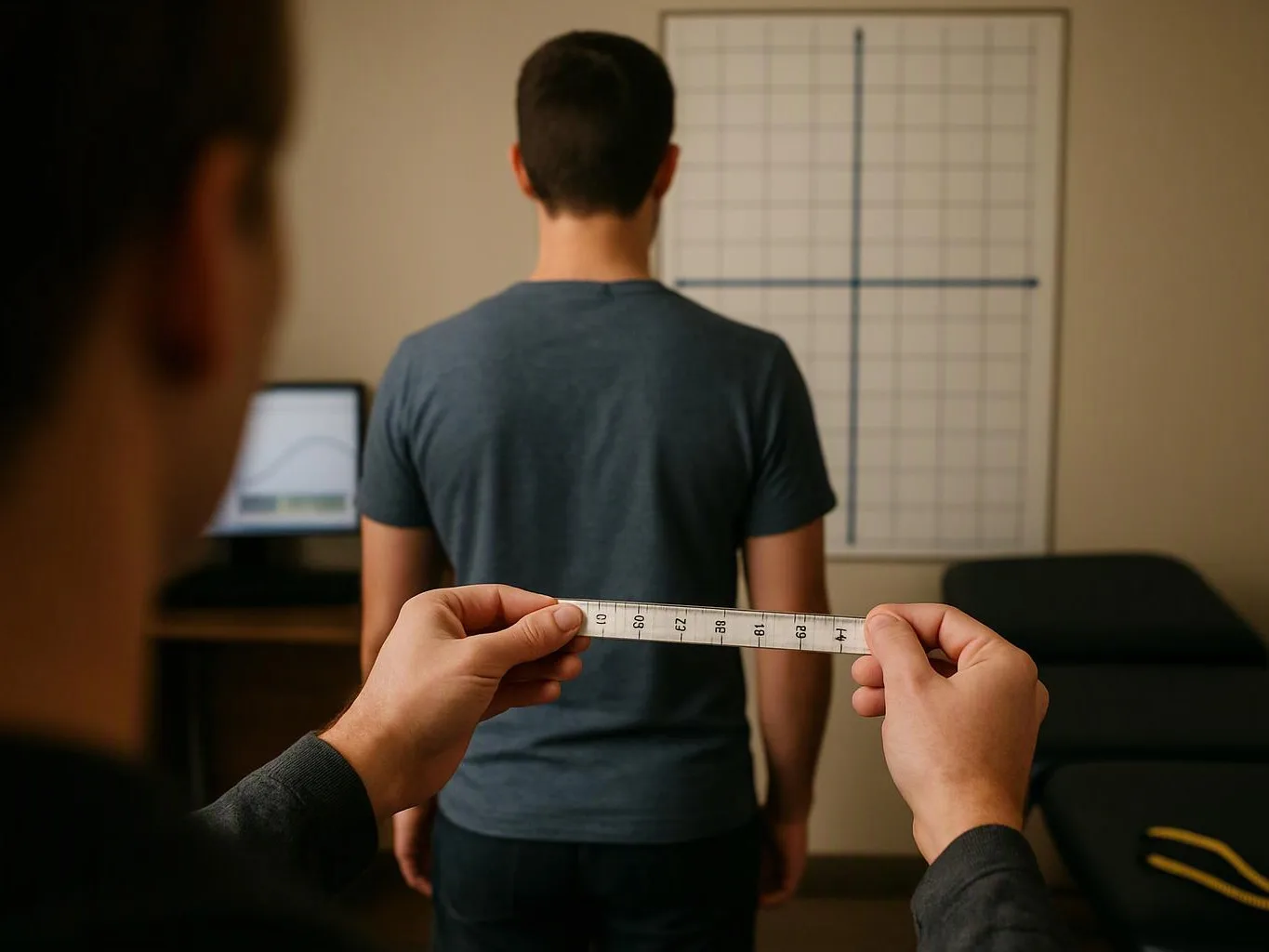
Applied Kinesiology uses manual muscle testing to observe how muscles respond during selected positions or movements. We consider those responses with your reported pain, mobility limits, health history, and injury details. The assessment is one part of care. It does not replace medical diagnosis, imaging, or referral when those steps are needed. Our team explains the findings in plain language, so you can understand the proposed next step. The workflow matters most when symptoms do not tell the whole story. A muscle response can add context to a movement problem, but individual response differs. We use the complete evaluation before discussing treatment.

What Applied Kinesiology Covers

Applied Kinesiology is an assessment approach that uses manual muscle testing alongside health history and symptom review.

  • Applied Kinesiology differs from a routine adjustment because it focuses first on muscle response and functional patterns.
  • The service supports injury and mobility evaluations for people receiving care in Hermitage and the surrounding Nashville area.
Process

How applied kinesiology moves from testing to care

1

Discuss symptoms and injury history

We start with a new patient intake that records your symptoms, past injuries, health history, and movement concerns.

2

Observe muscle responses

We use manual muscle testing during selected positions or movements to assess functional muscle response.

3

Connect findings with movement

Our team compares the responses with your symptoms, joint movement, spinal concerns, and examination findings.

4

Explain the report of findings

We explain what the assessment suggests, where its limits apply, and whether diagnostic testing or another evaluation is appropriate.

5

Set the care direction

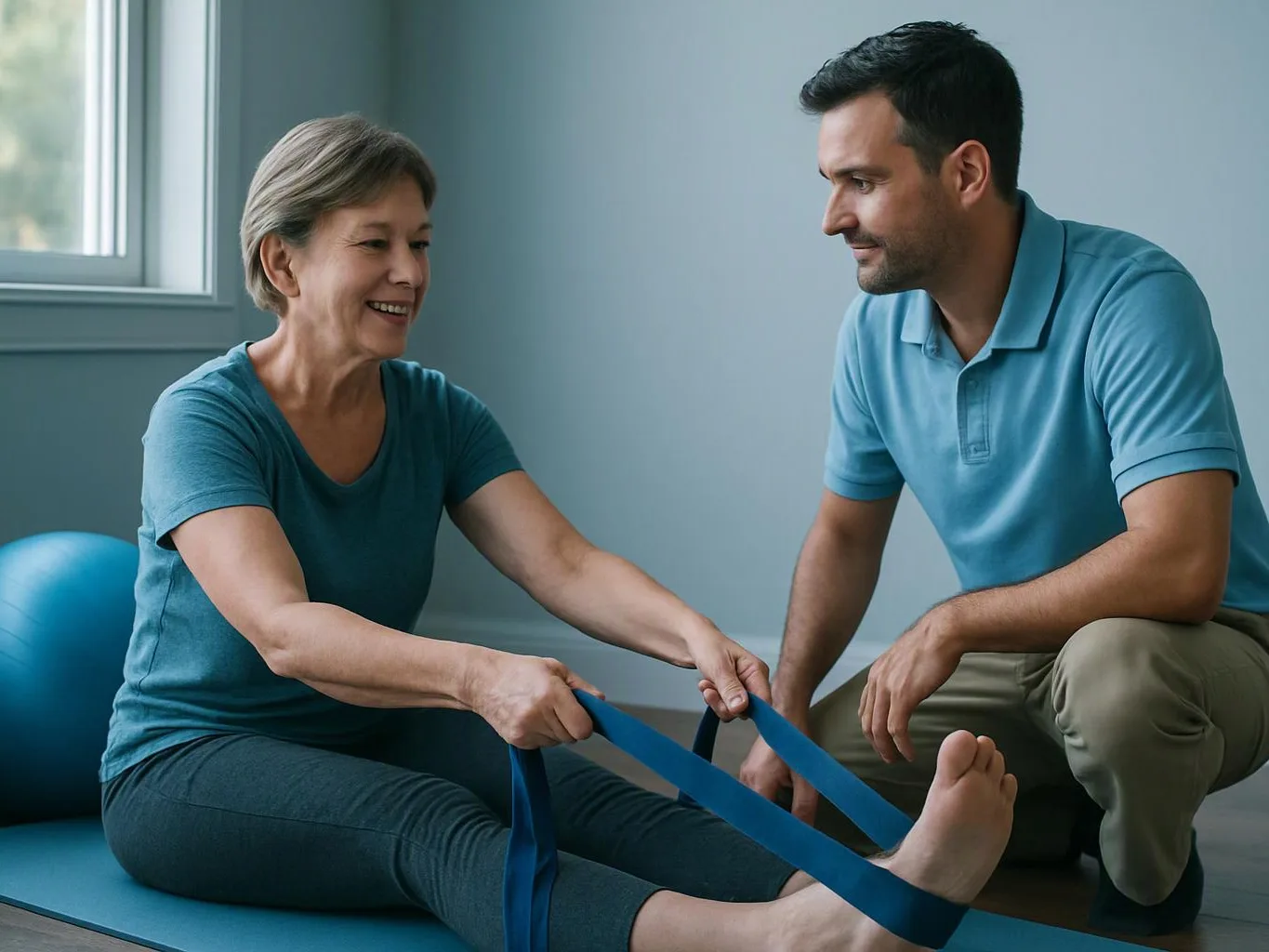
If care fits your needs, we discuss an individualized treatment plan that may include chiropractic adjustments, rehabilitation, or therapeutic exercise.

What to prepare before muscle function testing

A few details can help us understand your symptoms and make the first discussion more useful.

  • Bring a list of current symptoms and the movements that increase them.
  • Share your injury date and how the symptoms started.
  • Bring relevant medical records or imaging reports when available.
  • List current medicines and health conditions for the patient history.
  • Note prior chiropractic care, rehabilitation, or therapeutic exercise.

The Advanced Injury Care Clinic Standard

Care Approach Explained

We explain muscle testing findings and the recommended care approach before treatment begins.

Personalized Discussions

We adapt each discussion to the patient’s injury history, concerns, symptoms, and examination findings.

Functional Recovery Support

We connect assessment findings with individualized chiropractic care, rehabilitation, and therapeutic exercise when appropriate.

Customer Reviews for Applied Kinesiology in Hermitage

5(857 Customer Reviews)View our Google Business Profile
Brittany Dangerfield
3 years ago
Verified on Google
My experience here has been excellent. They take into consideration my needs and personalize the treatment to my ability. The staff is kind and friendly and explains things to my understanding. Highly recommended
E Harrigan
E Harrigan
a year ago
Verified on Google
The service is awesome. This is just my 3rd visit and I'm already beginning to feel a lot better. I love the message chair and the electric stimulation. Also doctor Robert's is awesome. She finds many ways to get my back realigned.
Chris Moyse
Chris Moyse
3 years ago
Verified on Google
Knowledgable and friendly staff. Dr. Roberts is amazing and always makes me feel at ease and takes time to catch up with me. They get you in and out as quick as possible without making it feel like they're rushing you. Physically I'm feeling a lot better since I started coming here. There's a reason they consistently get 5 star reviews. Stop reading this and go book an appointment.

Questions about muscle function testing and care

Who provides applied kinesiology in Hermitage?

Advanced Injury Care Clinic provides applied kinesiology for people in Hermitage and the Nashville area. Our medical and chiropractic team reviews symptoms, injury history, and movement concerns before discussing care. The assessment may include manual muscle testing and a broader patient evaluation. We explain relevant findings before treatment begins, so you understand the proposed direction.

Is applied kinesiology the same as general kinesiology?

Applied kinesiology is a clinical assessment approach that uses manual muscle testing with health history and symptom review. General kinesiology often refers to the study of human movement. Our team uses the applied approach within injury and mobility evaluations. It does not replace a medical diagnosis, imaging, or referral when those steps are needed.

What is applied kinesiology useful for?

Applied kinesiology can add information about muscle response during an injury or movement evaluation. It may help our team relate muscle function to pain, limited movement, neck concerns, back concerns, or accident injuries. Individual response differs, and the assessment has limits. We use the findings with your history and examination before recommending care.

What decides the cost of an applied kinesiology visit?

The visit cost depends on the consultation and care services included after your needs are discussed. A free consultation lets our medical team review symptoms, injury history, and possible diagnostic testing. Ask about the expected services when you schedule. We explain the recommended care approach before treatment begins, so the discussion stays specific to your situation.

Do I need X-rays before muscle testing?

X-rays are not automatically required before manual muscle testing. Our team reviews your history and examination findings, then considers diagnostic testing when clinically indicated. Bring any prior records or imaging reports that relate to your symptoms. The right next step depends on the injury details, current movement, and concerns found during evaluation.

Can this assessment help after whiplash?

Applied kinesiology may add muscle function information to a whiplash evaluation. Neck pain can affect movement and muscle use, so our team reviews the accident history, symptoms, and current mobility together. The assessment does not promise a specific result or replace needed medical care. We explain whether it fits your broader injury plan.

Key Points About Applied Kinesiology

  • Manual muscle testing adds information about functional muscle response.
  • Health history and symptoms remain central to the assessment.
  • Applied kinesiology does not replace needed medical testing.
  • Individual response differs, so findings require careful explanation.
  • Care discussions may include rehabilitation or therapeutic exercise.
Contact

Discuss applied kinesiology in Hermitage

Advanced Injury Care Clinic can discuss your symptoms, injury history, and movement concerns during a consultation. We’re open Monday through Friday from 9 am to 7 pm, Saturday from 9 am to 2 pm, and closed Sunday.
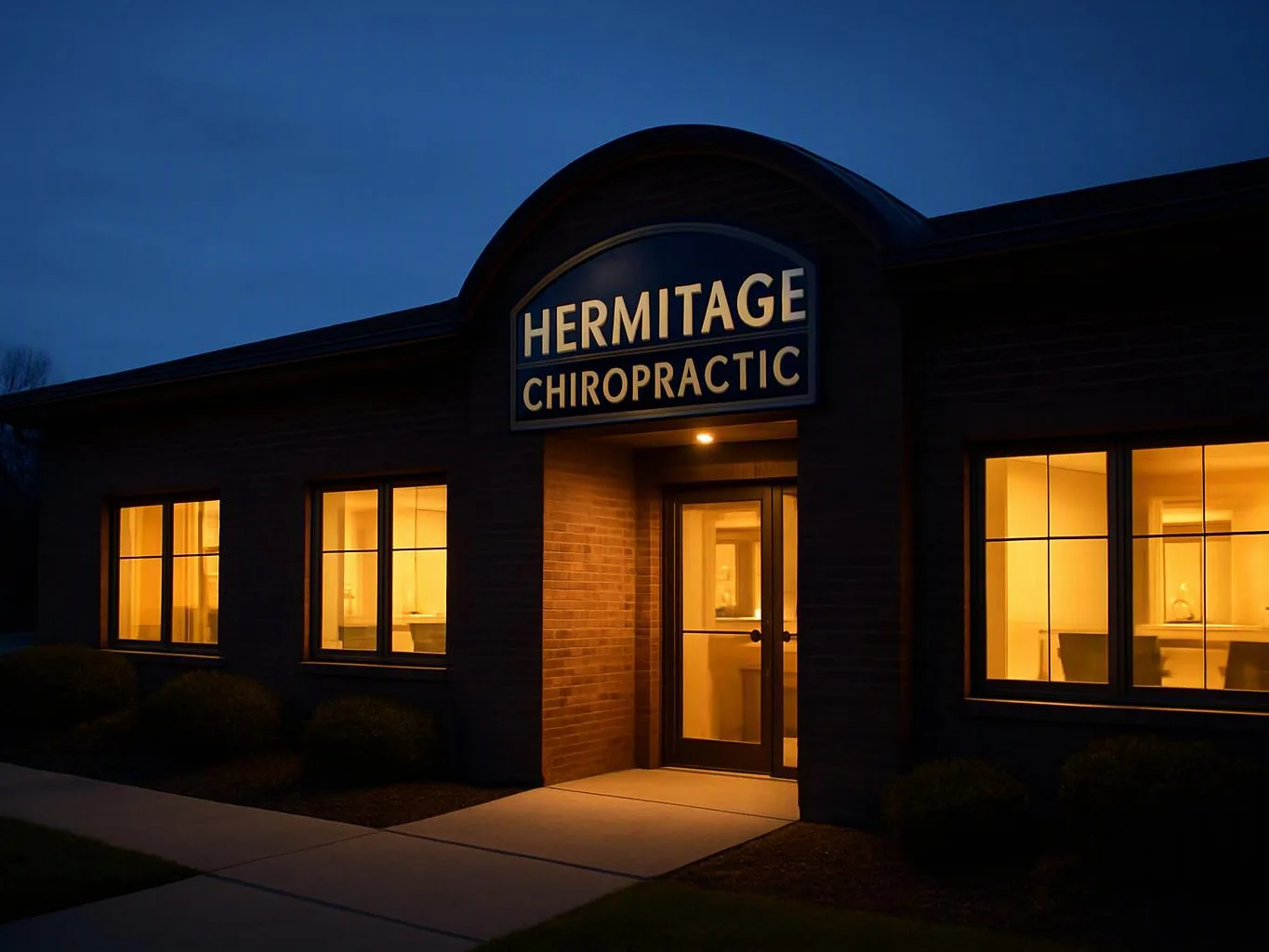
A lit chiropractic office building stands at dusk with glowing windows and a front entrance sign
Scenarios

When Customers Call Us About Applied Kinesiology

1

Weakness after a vehicle collision

After a car accident, pain can change how you use a shoulder, neck, or back muscle. Muscle testing matters because guarded movement can affect the response we observe. Bring your accident history and current symptoms to the consultation, and tell us which daily movements feel limited. We’ll discuss whether this assessment fits the broader injury evaluation.

2

Recurring pain with limited movement

A person with chronic back or neck pain may notice weakness during movements that once felt normal. Applied kinesiology can add muscle response information to the symptom review, but it cannot explain every cause by itself. We’ll ask about the pattern, examine movement, and explain whether further testing or individualized chiropractic care is appropriate.

3

Unclear next step after a fall

A slip or fall can leave symptoms that change as activity changes. The key question is whether muscle response, joint movement, and the injury history point toward the same concern. Write down what happened and what feels different now. Our team can then review the details and explain the next part of the evaluation.
Our Other Services

Auto Accident Injury TreatmentAfter a crash, soreness may appear hours later and affect daily movement. We assess seatbelt injuries, collision forces, and soft-tissue strain, then document findings and plan care for safer recovery.
Back Pain TreatmentBack pain can make lifting, sitting, and sleeping uncomfortable. Lumbar movement checks and posture findings help identify the source, while chiropractic care and home exercises work toward steadier movement.
Chiropractic AdjustmentRestricted spinal joints can limit movement and make ordinary tasks painful. Chiropractic adjustments use controlled manual force at selected vertebrae to improve joint motion and reduce strain around the spine.
Chiropractic RehabilitationReturning to work or normal activity takes more than short-term pain relief. Chiropractic rehabilitation combines mobility drills, strengthening exercises, and progress checks to rebuild function after injury or prolonged discomfort.
Headache TreatmentTension headaches can begin in the neck and disrupt work, driving, or sleep. We examine cervical motion, upper-back tension, and posture, then use chiropractic care to address contributing musculoskeletal strain.
Herniated Disc TreatmentA herniated disc may send pain, numbness, or tingling into an arm or leg. Neurological checks and spinal assessments help guide care, including activity changes and treatments suited to disc-related symptoms.
(615) 265-0412