Skip to content

Therapeutic Exercise in Belle Meade, Tennessee

Strength training is checked against your movement needs in Belle Meade. We match each exercise to your symptoms, history, and current mobility.

5 · 857 ReviewsUpfront, Transparent PricingServing 12 CommunitiesMon-Fri: 9 am–7 pm, Sat: 9 am–2 pm, Sun: Closed

Quick Summary: Therapeutic Exercise in Belle Meade, Tennessee

Therapeutic Exercise in Belle Meade is provided by Advanced Injury Care Clinic for accident injuries, chronic pain, and limited movement. Care includes guided exercise, mobility work, and treatment planning across the Nashville area, including Hermitage.

  • What we do: Advanced Injury Care Clinic provides Therapeutic Exercise for patients in Belle Meade, Tennessee, with injury-related pain or limited movement.
  • What is included: Individualized exercise plans, movement checks, stretching routines, mobility drills, and progress re-examinations.
  • What you get: The patient receives a clear exercise plan that supports safer movement and lasting mobility.

Why does pain return during exercise after an accident?

Pain can return when movement control, joint motion, or muscle strength has not fully improved. Therapeutic exercise helps identify which movements increase symptoms and which activities are better tolerated. A worsening symptom pattern, new weakness, or spreading numbness deserves prompt medical review. Our team uses your history and exam findings to guide the next care decision.

Our Track Record

Average Rating
5
Customer Reviews
857

Therapeutic Exercise in Belle Meade, Tennessee for Pain and Mobility

This service fits people who need more than general activity advice after an injury or during chronic pain. We focus on how your body moves, where symptoms appear, and which daily actions feel limited.

The main buyer decision is whether guided exercise belongs in your care plan. It may fit when pain affects walking, lifting, reaching, or neck and back movement. It isn't the right first step for every symptom, especially when severe weakness, loss of balance, or other urgent warning signs need medical attention.

Our team connects exercise choices to the findings from your evaluation. That approach gives you a clearer path forward than choosing random online exercises that may not match your injury.

  • Your symptoms and injury history are reviewed before exercises are selected.
  • Movement control is checked during guided activity.
  • Exercises are adjusted when pain, weakness, or limited motion changes.
  • The plan addresses daily movement goals, not only isolated muscles.
A smiling man holds a clipboard beside a massage table in a clinic-like room with anatomy posters and shelves

Service Overview

Therapeutic exercise is a guided form of movement that builds strength, mobility, and control for a specific health need.

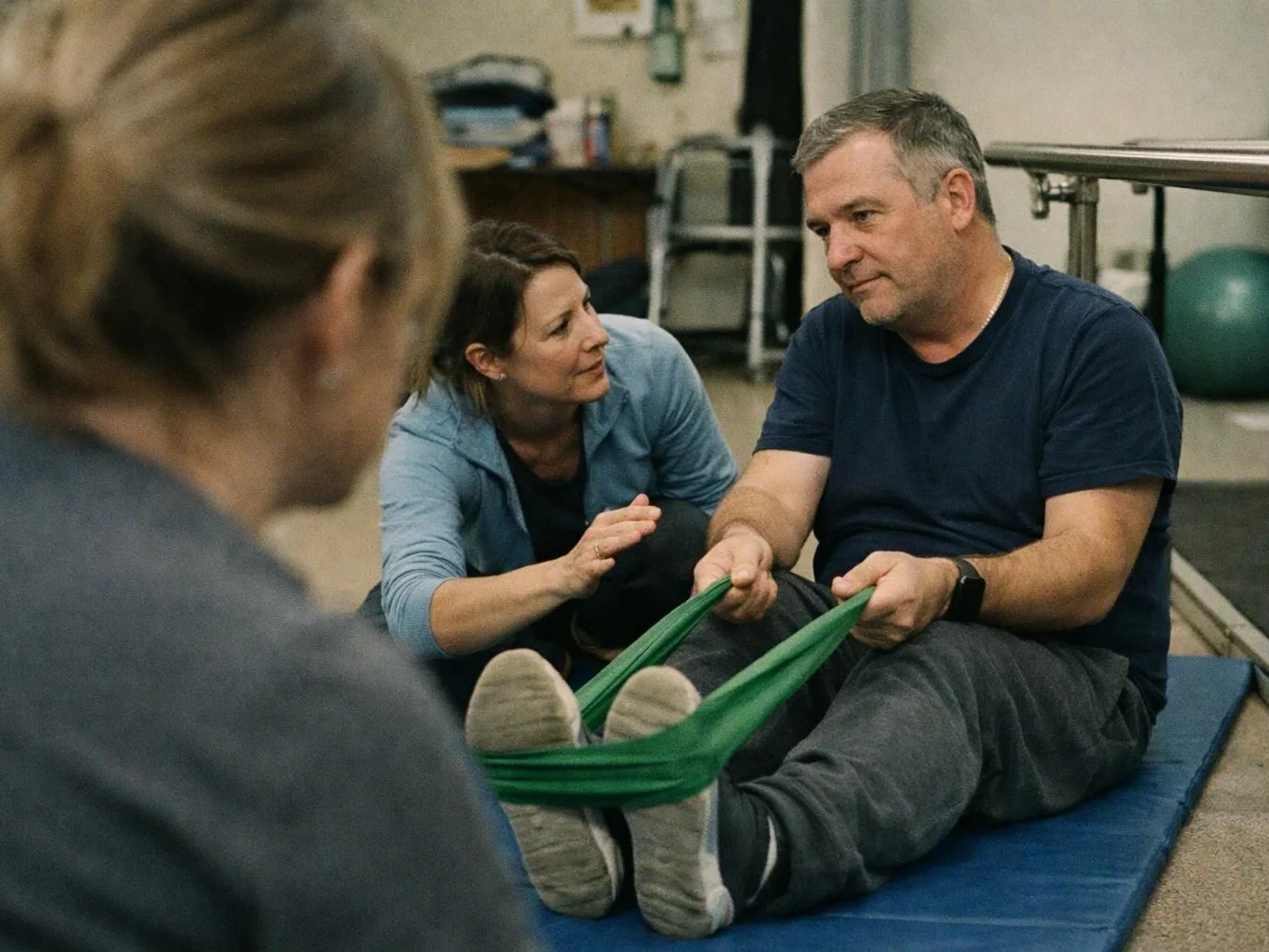
  • It differs from a chiropractic adjustment because the patient performs planned movements while the clinician checks form and tolerance.
  • Belle Meade patients can receive this care through Advanced Injury Care Clinic as part of injury and pain treatment.

What Guided Movement Can Change

Guided exercise may help you build strength without ignoring pain signals.

Mobility work can support smoother movement during walking, reaching, and daily tasks.

Movement control practice helps you notice form problems before they become habits.

A written plan gives you a clearer routine between appointments.

Patients in Belle Meade can discuss exercise choices within a wider injury evaluation.

Regular maintenance may help support movement after active injury care ends.

How We Approach Exercise-Based Injury Care

Exercise starts with the injury picture

Your symptoms, health history, and exam findings guide the plan. The wrong fit is unsupervised exercise that increases pain or ignores new weakness.

Movement gets checked during practice

Our team watches how you control each movement, then explains what to change. Small form changes can matter when the neck, back, or joints are sensitive.

The plan connects to broader care

Therapeutic exercise can sit alongside chiropractic and medical care when those services fit your needs. Individual response differs, so the plan is reviewed as symptoms change.

Process

How We Build a Guided Exercise Plan

1

Review symptoms and injury history

The new patient intake covers your symptoms, injury history, medical history, and daily movement limits.

2

Check movement and function

The health history and exam assess joint motion, strength, balance, and movement control related to your concern.

3

Consider diagnostic testing

X-rays or other diagnostic testing are considered when the clinical findings support that next step.

4

Explain the treatment plan

The report of findings explains what the team observed and how guided exercise may fit your care.

5

Review progress and adjust

A progress re-examination checks changes in symptoms and function before the plan is continued or changed.

What Your Guided Exercise Plan Includes

Advanced Injury Care Clinic provides comprehensive Therapeutic Exercise in Belle Meade. Here's what you get:

  • You receive exercise guidance matched to your symptoms, medical history, and movement needs.
  • Your plan can include stretching routines that address restricted motion.
  • Mobility drills help you practice controlled movement through a comfortable range.
  • Movement control work focuses on how your body performs each exercise.
  • Progress re-examination helps the medical team review changes in symptoms and function.
  • Treatment plan explanations show how exercise fits with your broader injury care.

Choosing the Right Movement Focus

These approaches address different parts of movement, so the plan depends on your symptoms and exam findings.

Movement focusWhat it addressesWhen it may fit
Stretching routinesRestricted flexibility and tight movementWhen limited range affects daily activity
Mobility drillsControlled joint and body movementWhen stiffness affects comfortable motion
Movement controlForm, balance, and steadiness during activityWhen symptoms appear during specific movements

The Advanced Injury Care Clinic Standard

  • Accessible Registration
  • Care Approach Explained
  • Patient Education
  • Personalized Discussions

Customer Reviews for Therapeutic Exercise in Belle Meade

5(857 Customer Reviews)View our Google Business Profile
Isabel Ramirez
Isabel Ramirez
a year ago
Verified on Google
It’s been a short time since I have been in therapy with this place , however I felled so much better, I personally thank the hospitality and professional manner they are dealing with my body problems. Thank you very much
Naukia Watson
Naukia Watson
2 years ago
Verified on Google
I love Dr. Robert's and the entire staff. Everyone treated me like family. They are kind, caring, respectful, and professional. The therapy has been beneficial to healing.
Brittany Dangerfield
3 years ago
Verified on Google
My experience here has been excellent. They take into consideration my needs and personalize the treatment to my ability. The staff is kind and friendly and explains things to my understanding. Highly recommended

Questions About Guided Exercise for Injury Pain

How can strength training help reduce pain after an injury?

Strength training may reduce pain by improving support around weak or guarded movements. The first visit checks which actions trigger symptoms and where control breaks down. Exercises are then matched to your tolerance and daily needs. Individual response differs, so our team reviews progress instead of treating one exercise as right for everyone.

What should I bring to my first exercise consultation?

Your injury history, symptom details, and list of current health concerns are the most useful starting points. Bring medical records or imaging reports if you already have them. A clear account of what hurts during walking, lifting, sitting, or reaching helps our team connect the intake with the movement exam.

Which symptoms mean exercise should wait for medical review?

New severe weakness, loss of balance, or spreading numbness means exercise should wait for medical review. Sudden changes can signal a problem that needs a broader assessment. Tell our team when the symptom began and what movement affects it. We can then explain whether guided exercise fits the next step.

When are mobility drills added to an injury plan?

Mobility drills are added when restricted movement contributes to pain or limits daily activity. The exam identifies the body region involved and checks how much motion you can control. Our team then chooses movements that match your findings. Drills are changed when they increase symptoms or fail to improve movement quality.

Why might home exercises increase my pain?

Home exercises may increase pain when the movement, form, or amount of work does not match your condition. Pain that grows during or after an exercise should be reported. Our team can review the movement and check whether strength, mobility, or control needs a different approach.

Can I receive this care after a workplace injury?

Yes, workplace injuries are part of the injury care we provide. The intake records how the injury happened, which tasks cause symptoms, and how movement is limited. Patients should bring relevant claim or medical information when available. Our team explains the recommended care after reviewing the clinical findings.
Contact

Discuss Therapeutic Exercise in Belle Meade

Your first deliverable is a clear consultation focused on symptoms, injury history, and movement needs. Schedule a consultation with Advanced Injury Care Clinic to discuss your next care step.

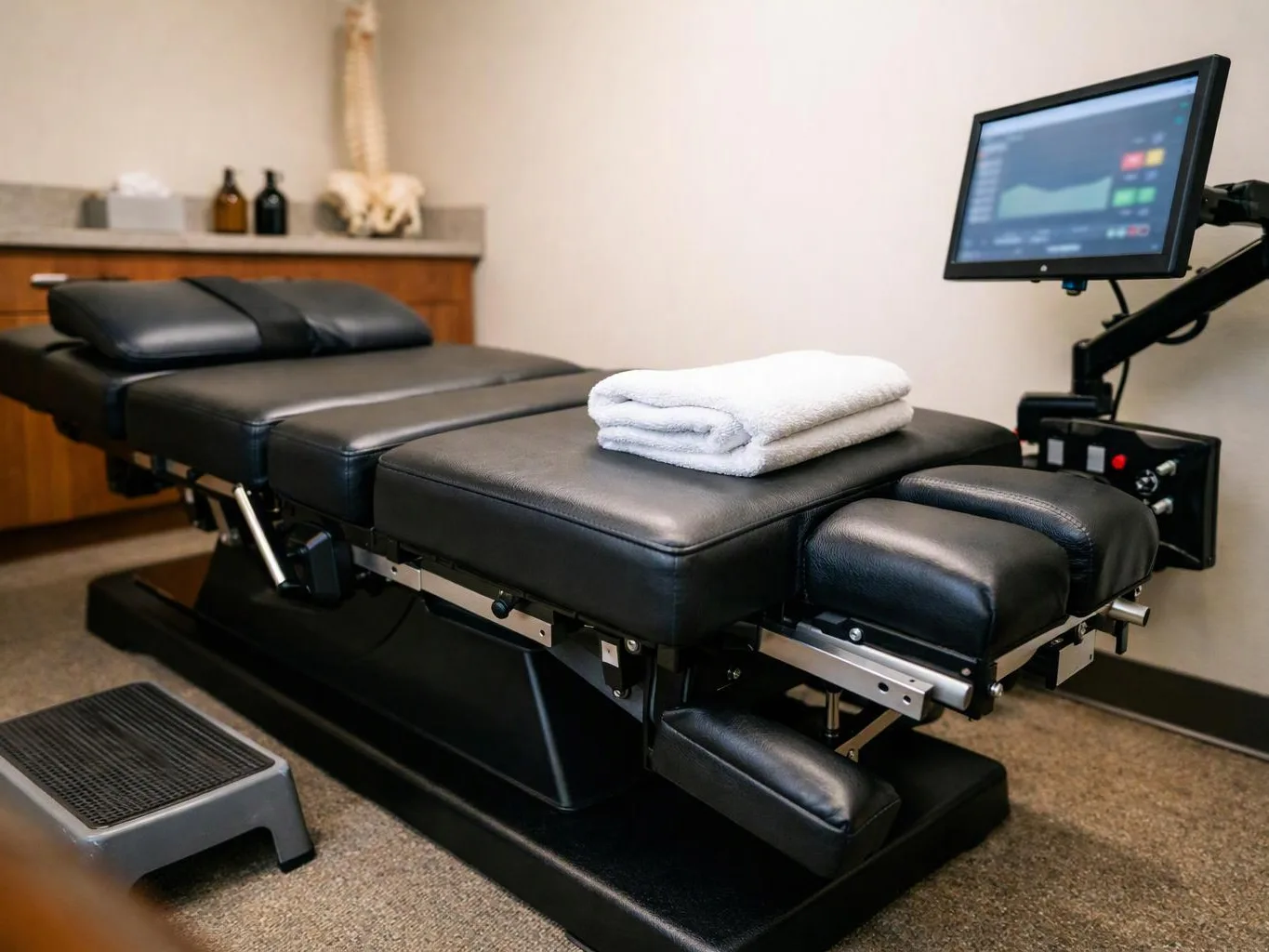
A black adjustable treatment table sits in a medical room beside a monitor and folded white towels
(615) 265-0412