Skip to content

Spinal Decompression Therapy in Hendersonville, Tennessee

Spinal stretching can suit some back pain concerns in Hendersonville. We review your symptoms first, then explain whether a traction table fits your care plan.

Upfront, Transparent PricingServing 23 CommunitiesMon-Fri: 9 am–7 pm, Sat: 9 am–2 pm, Sun: ClosedFast Scheduling

Quick Summary: Spinal Decompression Care in Hendersonville, Tennessee

Spinal Decompression Therapy in Hendersonville is provided by Advanced Injury Care Clinic for back pain, neck pain, sciatica, and related musculoskeletal concerns. Care starts with an evaluation and may include spinal decompression, adjustments, exercises, or soft tissue techniques for patients in Hendersonville and nearby Nashville-area communities.

  • What we do: Advanced Injury Care Clinic provides spinal decompression therapy in Hendersonville, Tennessee after a clinical evaluation and care-plan review.
  • What is included: The service may include spinal stretching, controlled traction, assessment of disc-related symptoms, and a personalized treatment plan.
  • What you get: The treatment plan gives the patient a clear decision about whether controlled spinal traction fits the condition and care goals.

How does spinal decompression therapy work for back pain in Hendersonville, Tennessee?

Spinal decompression therapy uses controlled traction on a spinal decompression table. The assessment helps determine whether this approach fits back pain, sciatica, neck pain, or another musculoskeletal concern.

Spinal Decompression Therapy in Hendersonville for Spinal Stretching Decisions

Spinal decompression therapy is designed for patients who want to discuss controlled traction for back pain, neck pain, sciatica, or related concerns. The key decision is suitability, not simply choosing a table-based treatment.

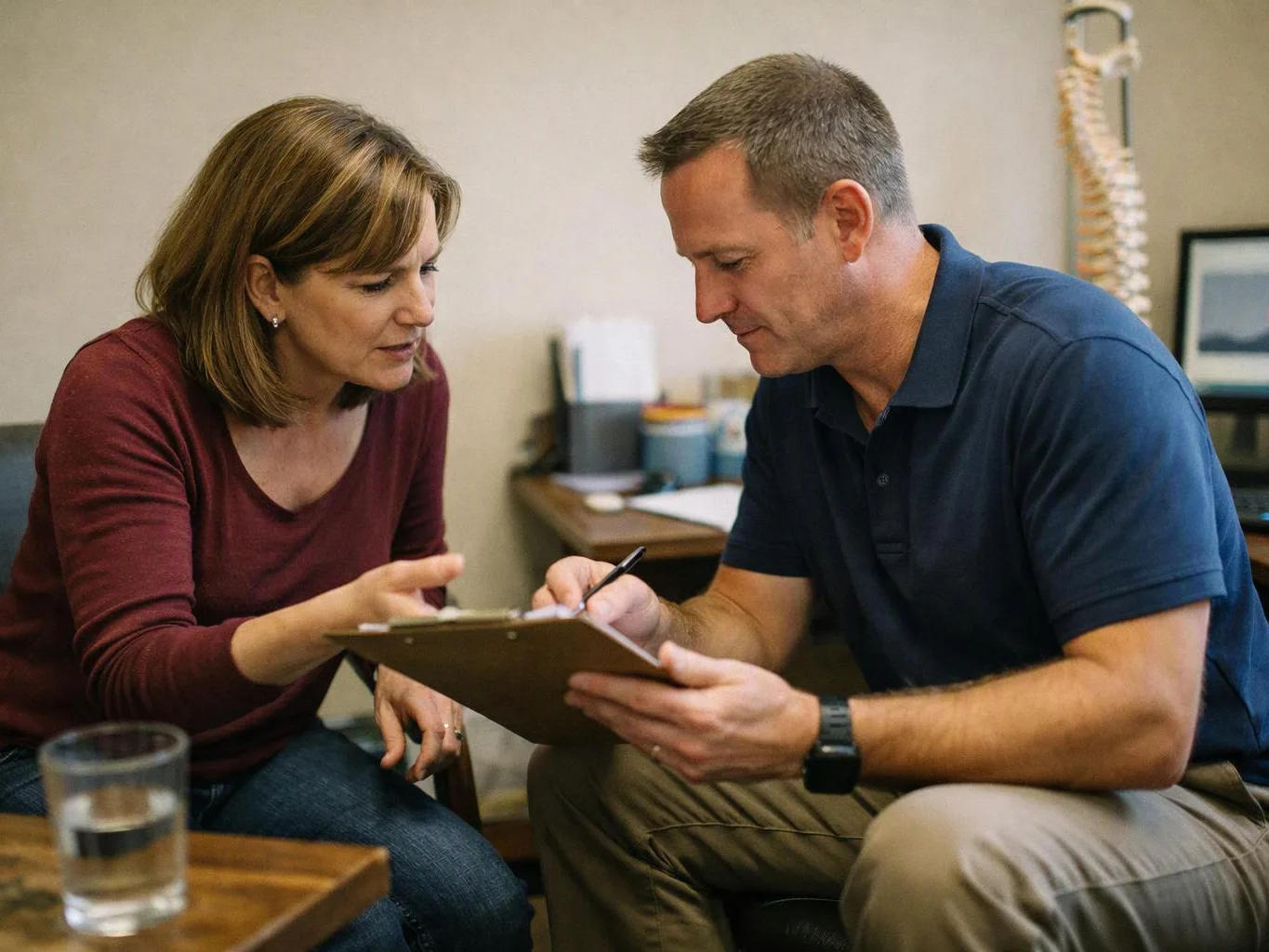
Our team reviews your health history, symptoms, movement, and goals. X-rays may be considered if clinically indicated. We then explain how spinal decompression, chiropractic adjustments, therapeutic exercises, soft tissue therapy, or rehabilitative care could fit the plan.

This page focuses on how the traction part of care works and what we check before scheduling it. It isn't the right choice for every condition, so we refer the decision back to the exam and your clinical needs.

  • Review the health history and current symptoms before treatment.
  • Check whether spinal traction fits the condition and care goals.
  • Discuss other care options, such as adjustments, exercises, or soft tissue therapy.
  • Set a follow-up approach based on progress and individual response.
A quiet yoga studio shows mats, bolsters, blocks, and rolled towels beside a lit floor lamp

Service Overview

Spinal decompression therapy is a non-surgical treatment approach that uses controlled traction to address selected spinal and musculoskeletal concerns.

  • Unlike a chiropractic adjustment, which applies a specific manual force to a joint, decompression uses gradual traction while the patient rests on a table.
  • Advanced Injury Care Clinic provides this care in Hendersonville for patients from nearby Nashville-area communities.

How We Approach Spinal Decompression Decisions

Assessment before table care

The health history and exam come first. Symptoms, movement, goals, and lifestyle guide the decision about traction.

Care that connects methods

Spinal decompression can sit within a wider plan that includes adjustments, soft tissue therapy, therapeutic exercises, or rehabilitation.

A clear limit on suitability

This service is the wrong fit when the evaluation points to a different clinical need. We use the assessment to guide the next step instead of scheduling table care automatically.

Process

How We Provide Spinal Decompression Care

1

Review the health history

We discuss symptoms, prior injuries, current care, and the goals that matter to you.

2

Complete the clinical exam

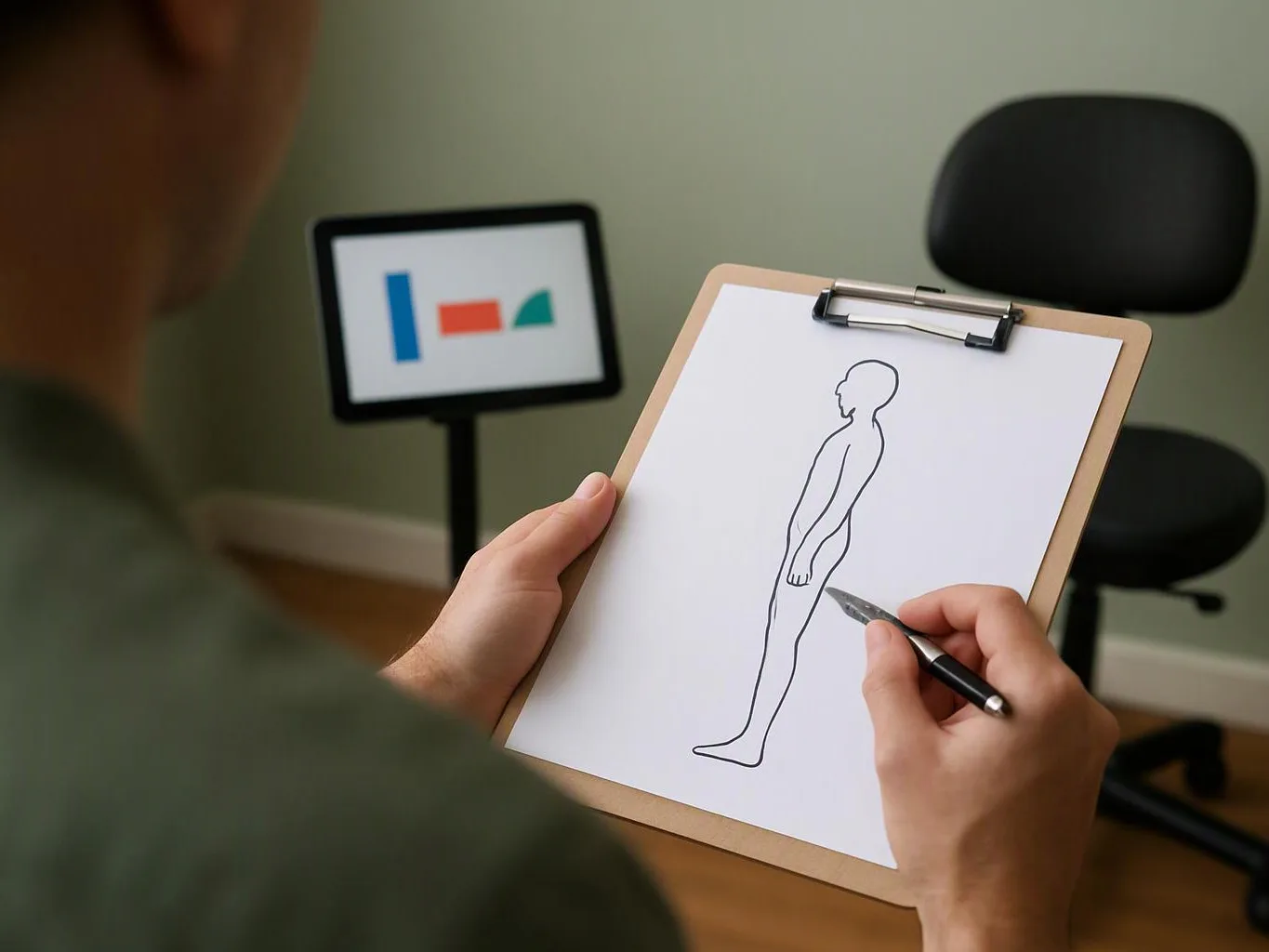
The exam checks movement and related findings. X-rays are considered when clinically indicated.

3

Explain the treatment choice

We discuss traction, spinal decompression, adjustments, exercises, and other care options that may fit the findings.

4

Use controlled table traction

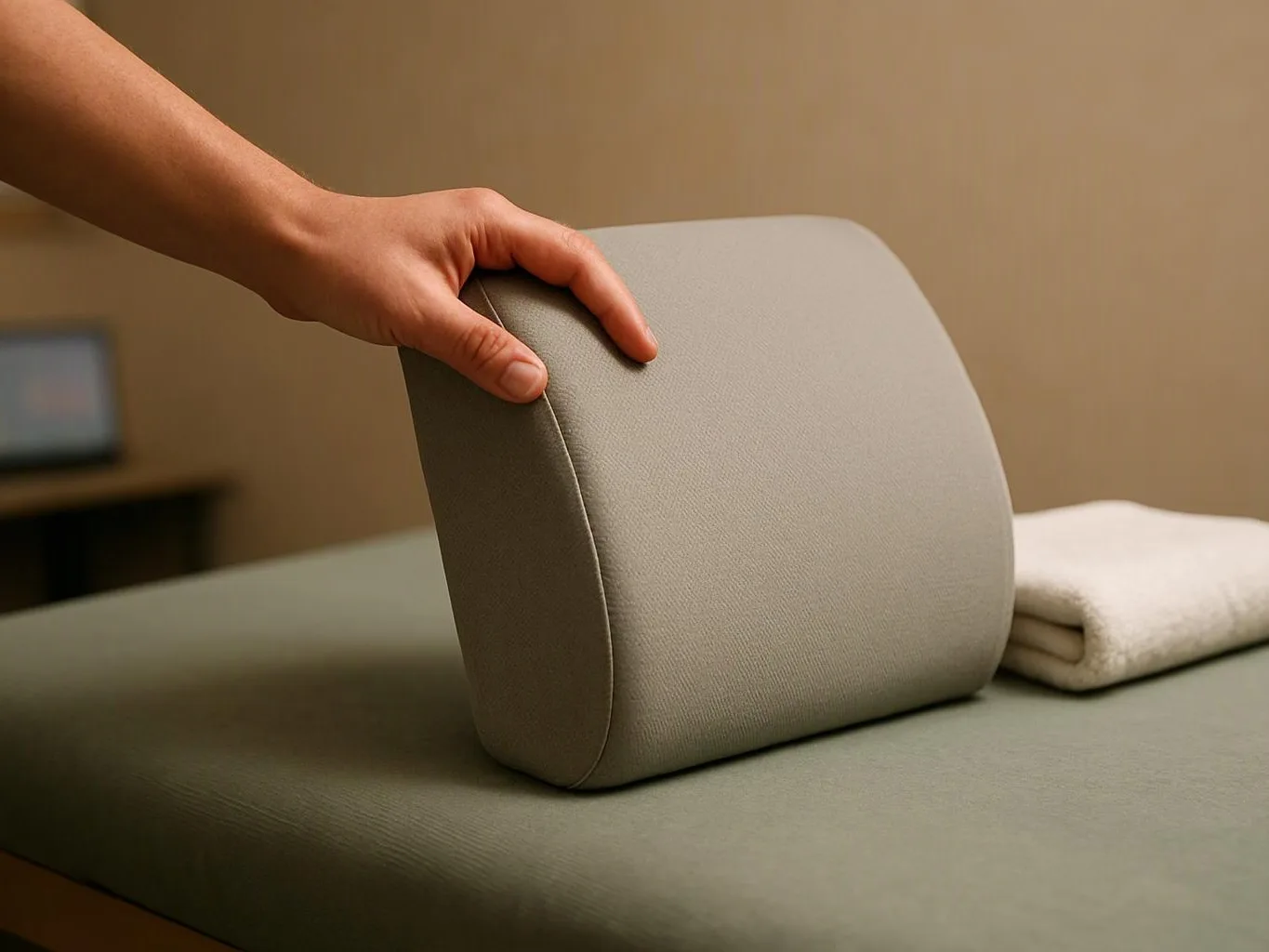
When decompression fits the plan, the spinal decompression table supports controlled spinal stretching during care.

5

Review progress and next steps

Follow-up checks help us decide whether to continue, adjust, or change the treatment plan.

What Spinal Decompression Care Includes

Advanced Injury Care Clinic provides comprehensive Spinal Decompression Therapy in Hendersonville. Here's what you get:

  • A health history and physical evaluation guide the treatment decision.
  • A spinal decompression table provides controlled traction during the treatment.
  • The care plan connects spinal decompression with the patient’s symptoms, goals, and lifestyle.
  • Chiropractic adjustments may be included when they fit the patient’s needs.
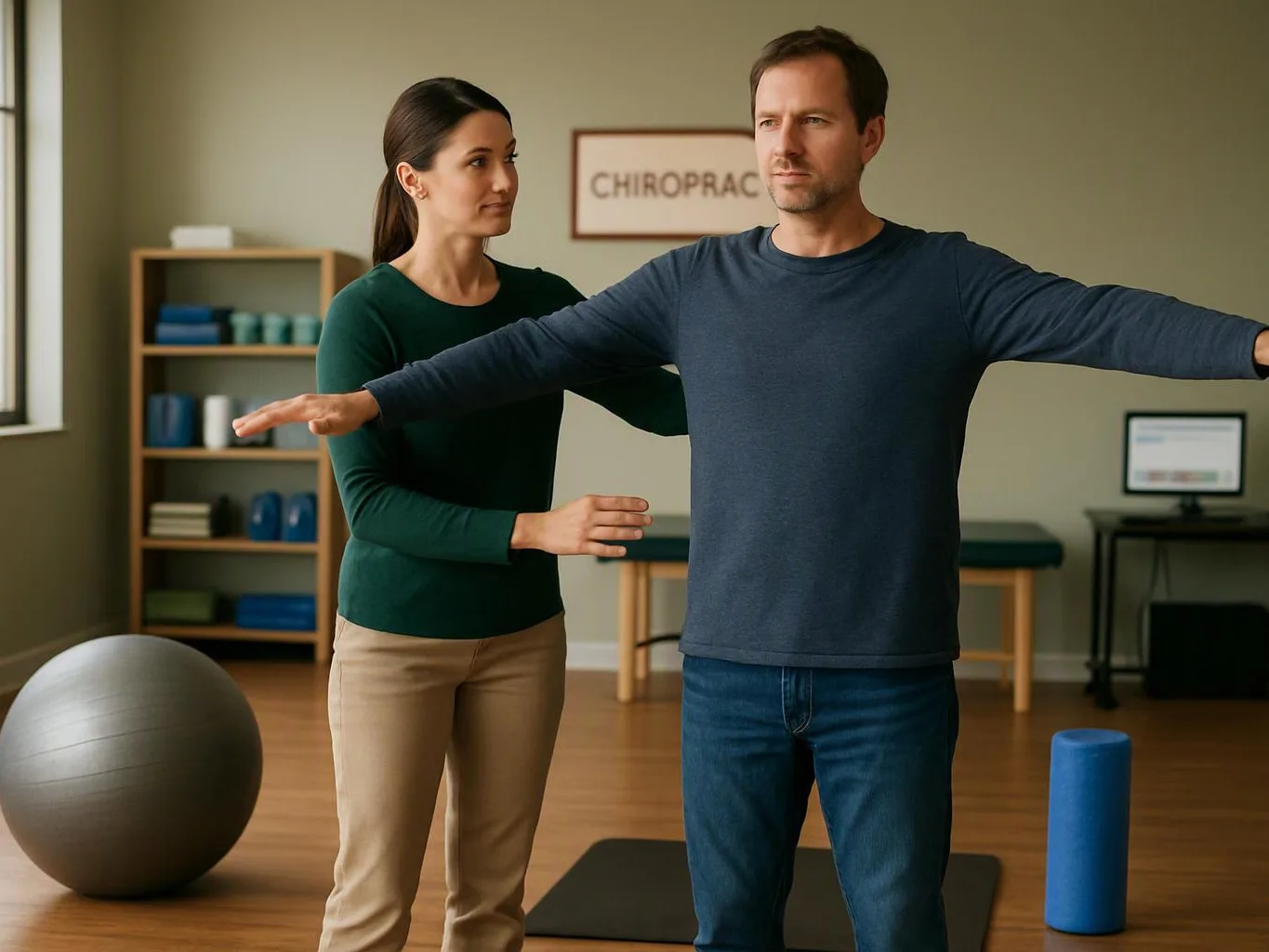
  • Therapeutic exercises, soft tissue techniques, or rehabilitative care may support the plan.
  • Progress is reviewed so the care plan can be adjusted when needed.

What Patients Seek From Spinal Decompression Care

Controlled traction gives patients a focused way to discuss spinal stretching with our care team.

A personalized plan connects table-based care with movement goals and daily activities.

The evaluation may help clarify whether back pain, sciatica, or neck pain fits this approach.

Related exercises can support mobility and help patients work toward greater comfort.

Regular maintenance may be discussed when ongoing chiropractic wellness fits the patient’s goals.

Spinal Decompression and Related Chiropractic Methods

These approaches differ in how they apply care, so the evaluation helps match the method to the patient.

Treatment approachHow it is appliedWhen it may fit
Spinal decompressionControlled traction on a spinal decompression tableSelected spinal and musculoskeletal concerns after evaluation
Chiropractic adjustmentA specific manual force is applied to a jointJoint movement concerns when an adjustment fits the care plan
Therapeutic exerciseGuided movements support strength and mobilityPatients whose plan includes movement or rehabilitation work

The Advanced Injury Care Clinic Standard

  • Personalized Care
  • Thorough Evaluations
  • Clear Explanations
  • Respectful Environment

Questions About Spinal Decompression Care

How does spinal stretching work on a traction table?

Spinal stretching uses controlled traction while the patient rests on a supported table. The force is guided by the care plan and clinical findings. The table-based method differs from a manual adjustment because it applies gradual traction instead of a quick joint force. Individual response differs, so follow-up guides the next treatment decision.

What does the care team check before treatment is scheduled?

The health history and clinical exam come first. The review covers symptoms, movement, prior injuries, and treatment goals. X-rays may be considered when clinically indicated. These findings help determine whether traction fits the condition or whether exercises, adjustments, soft tissue therapy, or another approach makes more sense.

Who is a good fit for spinal decompression, and who needs another service?

Patients with selected back pain, neck pain, or sciatica concerns may be candidates after an evaluation. Suitability depends on the exam, symptoms, and goals. A different service may be better when the findings call for another type of care. Our team explains that decision before treatment begins.

Which part of the treatment plan changes the cost?

The evaluation and services included in the care plan are the main cost factors. A plan with table traction alone differs from one that also includes adjustments, exercises, soft tissue therapy, or rehabilitation. Ask about the full plan during a free consultation before scheduling care.

What should I bring to my first spinal decompression consultation?

A symptom history, list of current medicines, and records from related care can help the evaluation. Note when the pain began and which movements affect it. Advanced Injury Care Clinic uses that information with the exam to discuss suitability and possible next steps.

Can decompression care support sciatica treatment?

Spinal decompression may be discussed for sciatica after the clinical evaluation. Sciatica can have different causes, so symptoms and movement findings guide the choice. Our team may also discuss therapeutic exercises, adjustments, soft tissue therapy, or rehabilitative care when those methods fit the plan.
Contact

Discuss Spinal Decompression Therapy in Hendersonville

Contact Advanced Injury Care Clinic to ask about a free consultation. After you reach out, our team can review your symptoms, arrange the next discussion, and explain what the evaluation covers.

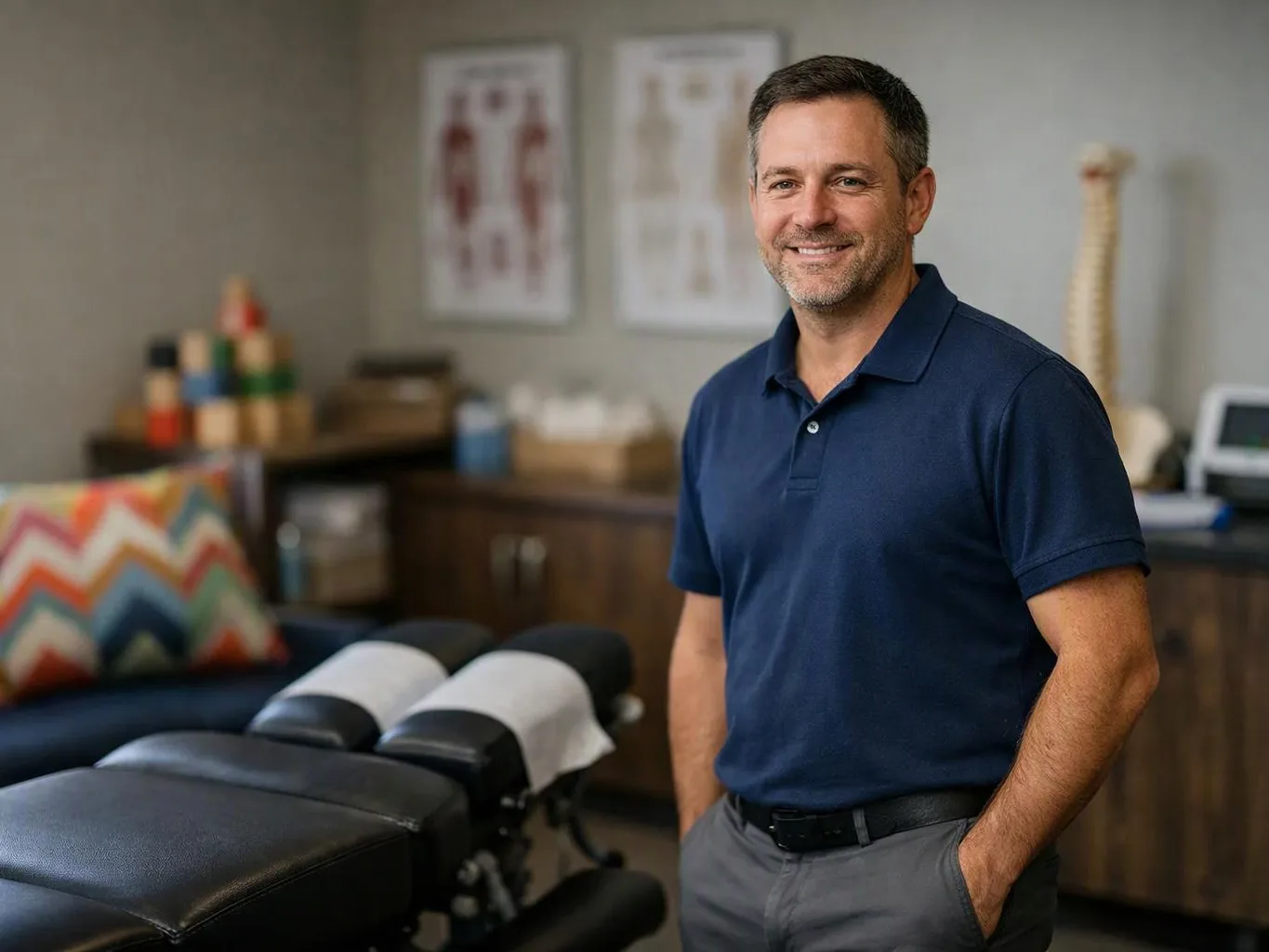
A smiling man in a navy polo stands beside a chiropractic table in a treatment room

ZIP Codes We Serve in Hendersonville, Tennessee

3707537077

The health and wellness information on this website is for general informational purposes only and is not medical advice. It does not create a provider-patient relationship. Always consult a qualified licensed provider in Hermitage, Tennessee, United States about your specific condition before making care decisions. Individual results vary.

(615) 265-0412