Skip to content

Soft Tissue Therapy in Rural Hill, Tennessee

Reduced tension can be a useful goal for patients in Rural Hill who feel tight after an injury or ongoing strain. Free consultations help us discuss your symptoms and next steps.

Upfront, Transparent PricingServing 23 CommunitiesMon-Fri: 9 am–7 pm, Sat: 9 am–2 pm, Sun: ClosedFast Scheduling

Quick Summary: Soft Tissue Care in Rural Hill, Tennessee

Soft Tissue Therapy in Rural Hill is provided by Advanced Injury Care Clinic for muscle tension, injury-related discomfort, and limited movement. Our care covers soft tissue techniques, mobility review, and individualized treatment planning for patients from Rural Hill and nearby Nashville-area communities.

  • What we do: Advanced Injury Care Clinic provides Soft Tissue Therapy for patients in Rural Hill, Tennessee, with care based on an evaluation and treatment plan.
  • What is included: Key capabilities include soft tissue techniques, mobility assessment, therapeutic exercises, chiropractic adjustments, and rehabilitative care.
  • What you get: The patient receives a clear care plan for improving movement and managing soft tissue discomfort.

Why does reduced tension sometimes feel different after soft tissue therapy?

Reduced tension can be followed by temporary soreness as treated tissues respond. Activity guidance, hydration, and follow-up care help patients understand their next step.


Soft Tissue Therapy for Reduced Tension in Rural Hill

Soft tissue therapy fits patients who feel muscle tightness, tenderness, or restricted movement after an injury or repeated strain. The main decision is whether hands-on tissue work belongs in the care plan alone or alongside adjustments, exercises, spinal decompression, or rehabilitation.

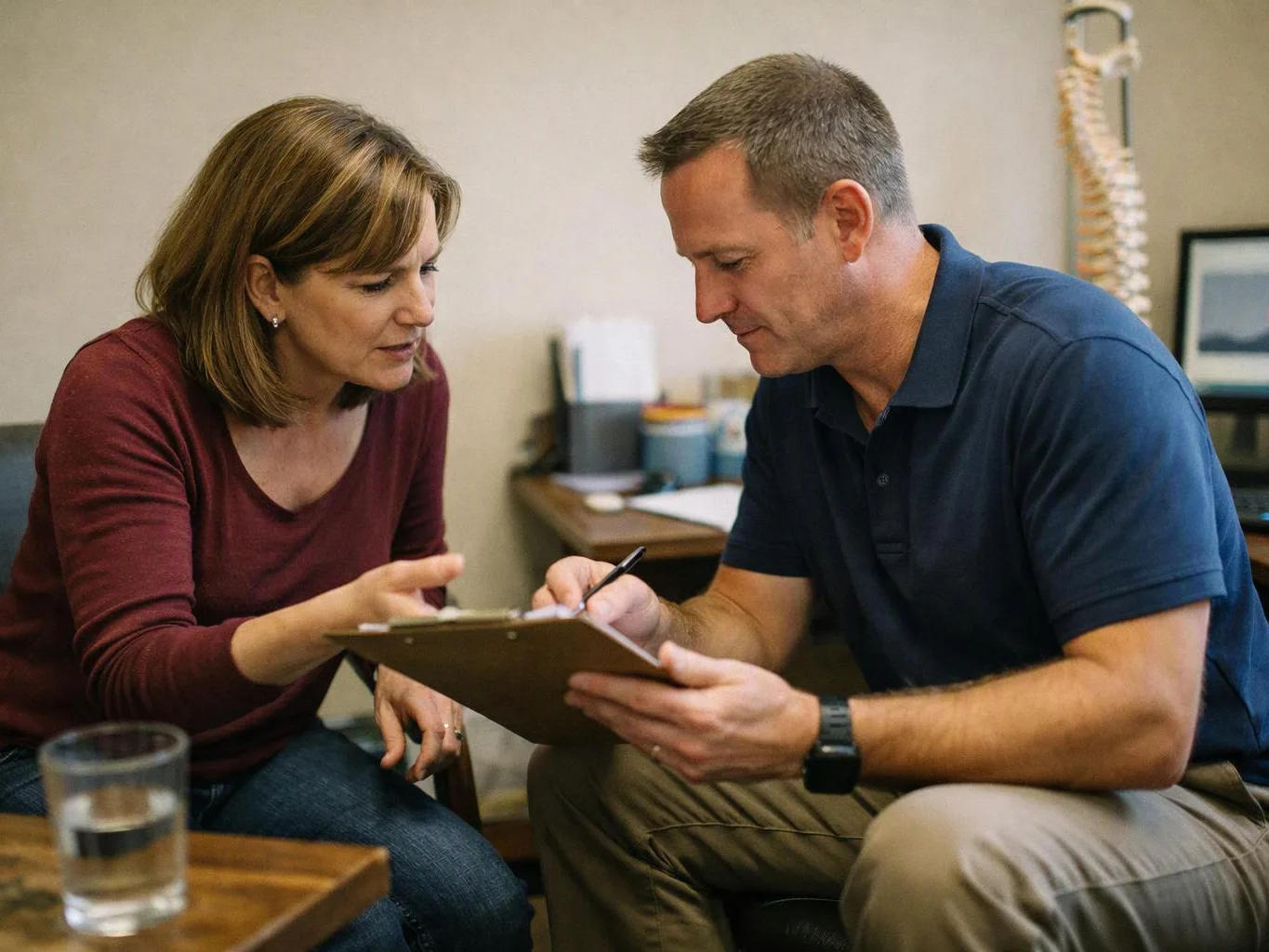
Our team starts with a health history and exam. We look at movement, symptoms, and daily demands before choosing a treatment approach. This page focuses on what patients should expect after care, including temporary soreness, activity guidance, hydration needs, and follow-up planning.

  • Discuss the area of tension and the movement that feels limited.
  • Review injury history, health history, and current symptoms.
  • Ask how temporary soreness should affect activity after treatment.
  • Confirm whether exercises or other chiropractic care belong in the plan.
A hand lifts a stack of manila folders on a clipboard with a pen, resting on a gray couch

Service Overview

Soft Tissue Therapy is a hands-on treatment approach that works with muscles and other soft tissues to support movement and comfort.

  • Soft tissue work focuses on muscles and related tissues, while chiropractic adjustments address joint and spinal movement when those services fit the evaluation.
  • Advanced Injury Care Clinic provides this care for patients in Rural Hill and nearby Nashville-area communities.

How We Approach Soft Tissue Treatment Decisions

Treatment starts with a fit check

We review your symptoms and movement before choosing soft tissue work. The first step is an assessment, not a preset technique. This service may be the wrong fit when symptoms need medical evaluation outside our care.

Aftercare covers the next activity

We explain how temporary soreness could affect your usual activity. The plan may include rest from aggravating movement, gentle exercises, or a follow-up discussion.

Care connects to the wider plan

Soft tissue work may sit beside chiropractic adjustments, spinal decompression, or rehabilitative care. We choose those options only when the evaluation supports them.

Process

How We Provide Soft Tissue Care Step by Step

1

Review symptoms and health history

We discuss the injury, pain pattern, daily activities, and care goals. The health history helps us identify factors that could affect treatment.

2

Assess movement and affected tissues

The exam checks movement, tenderness, and related areas. We use those findings to decide whether soft tissue work fits the plan.

3

Apply the selected tissue technique

We provide hands-on soft tissue treatment based on the assessment. Pressure and technique follow the patient’s condition and response.

4

Explain soreness and hydration needs

We describe what temporary soreness may feel like and discuss hydration needs after care. Patients also receive practical guidance about activity.

5

Set follow-up and exercise guidance

We review the next step, which may include therapeutic exercises, related chiropractic care, or a follow-up assessment.

What Patients May Notice After Soft Tissue Care

Soft tissue therapy may support easier movement when muscle tension limits daily activity.

A clear aftercare discussion helps you recognize normal temporary soreness and report concerns.

Therapeutic exercises can support the movement gains addressed during hands-on care.

Personalized treatment planning connects tissue work with the patient’s injury, goals, and lifestyle.

Regular maintenance may help patients stay attentive to movement habits and recurring tension.

What Soft Tissue Care Includes During Your Visit

Advanced Injury Care Clinic provides comprehensive Soft Tissue Therapy in Rural Hill. Here's what you get:

  • We review your symptoms, health history, and goals before treatment.
  • We assess the affected muscles and nearby movement patterns.
  • We provide hands-on soft tissue techniques suited to the care plan.
  • We explain possible temporary soreness and practical activity guidance.
  • We may pair tissue work with therapeutic exercises or rehabilitative care.
  • We discuss follow-up needs based on your response to treatment.

Choosing Between Related Care Options

These options address different parts of a personalized chiropractic care plan.

Care optionMain focusWhen it may fit
Soft tissue techniquesMuscles and related soft tissuesTension, tenderness, or movement limits
Chiropractic adjustmentsSpinal or joint movementFindings that support adjustment-based care
Therapeutic exercisesControlled patient movementBuilding movement practice into the care plan

The Advanced Injury Care Clinic Standard

  • Personalized Care
  • Thorough Evaluations
  • Clear Explanations
  • Respectful Environment

Questions About Soft Tissue Care and Recovery

What should I expect after soft tissue therapy?

Reduced tension may be followed by temporary soreness after soft tissue therapy.

Our team explains:

  • How to follow activity guidance
  • Why hydration needs matter after care
  • When improved mobility should be discussed at follow-up

Individual response differs, so report concerns during your next discussion.

How does a soft tissue visit move from the first call to the last step?

The visit moves from consultation to health history, movement assessment, treatment, and aftercare guidance.

  1. We discuss symptoms and goals.
  2. We assess movement and affected tissues.
  3. We provide the selected hands-on care.
  4. We explain activity guidance and follow-up.

What does a first visit include before hands-on care?

A first visit includes a new patient intake, health history, and exam before treatment begins. The assessment reviews symptoms, movement, and lifestyle demands. X-rays may be considered if clinically indicated. We then explain the report of findings and outline a personalized treatment plan.

Which part of the body decides the soft tissue therapy scope?

The affected tissue and nearby movement pattern help decide the scope of soft tissue therapy. Neck pain, shoulder pain, back pain, and hip pain can involve different movement checks. We assess the symptoms and choose care based on the findings, not on a preset area list.

How can I tell whether soft tissue therapy fits my symptoms?

Soft tissue therapy may fit when muscle tension or tenderness affects movement and the evaluation supports hands-on care. Our team checks the symptom pattern, health history, and movement limits first. Symptoms that need another type of medical evaluation require a different next step.

Why might therapeutic exercises follow hands-on tissue care?

Therapeutic exercises help patients practice movement after hands-on tissue care. The exercises address the goals identified during the exam and may support mobility between visits. We adjust the guidance to the patient’s condition, activity needs, and response to treatment.

When should I discuss soreness after treatment?

Temporary soreness should be discussed when it concerns you, changes your normal activity, or does not fit the guidance provided. Our team reviews the treated area, your activity, and other symptoms during follow-up. We use that information to decide whether the care plan needs adjustment.
Contact

Discuss Soft Tissue Therapy in Rural Hill

Are you unsure what to expect after soft tissue therapy? Contact Advanced Injury Care Clinic to request a free consultation and discuss your symptoms, activity needs, and care options.

A smiling man in a blue polo stands beside a black treatment table in a therapy room

The health and wellness information on this website is for general informational purposes only and is not medical advice. It does not create a provider-patient relationship. Always consult a qualified licensed provider in Hermitage, Tennessee, United States about your specific condition before making care decisions. Individual results vary.

(615) 265-0412