Can scoliosis treatment improve posture and movement?
Body awareness can improve posture and movement control, but individual response differs. Advanced Injury Care Clinic checks spinal motion, muscle balance, joint mobility, and gait patterns before planning care. Therapeutic exercises may help patients practice better movement, while adjustments or soft tissue therapy may address related musculoskeletal restrictions. Results depend on the patient's condition and goals.
What should I ask before agreeing to scoliosis care?
A care plan should explain the findings, chosen methods, home exercises, and progress checks. Ask which symptoms the plan addresses and how movement goals will be reviewed. You can also ask whether spinal decompression, soft tissue therapy, or adjustments fit your exam. A free consultation gives you time to discuss these points before care begins.
Which condition changes the time needed for scoliosis care?
The patient's movement limits, symptom pattern, activity goals, and response to care affect the time needed. A more involved plan may require added assessment or exercise instruction. Our team reviews progress during care and changes the plan when needed. We do not promise a fixed schedule because individual response differs.
How is care matched to my body before treatment starts?
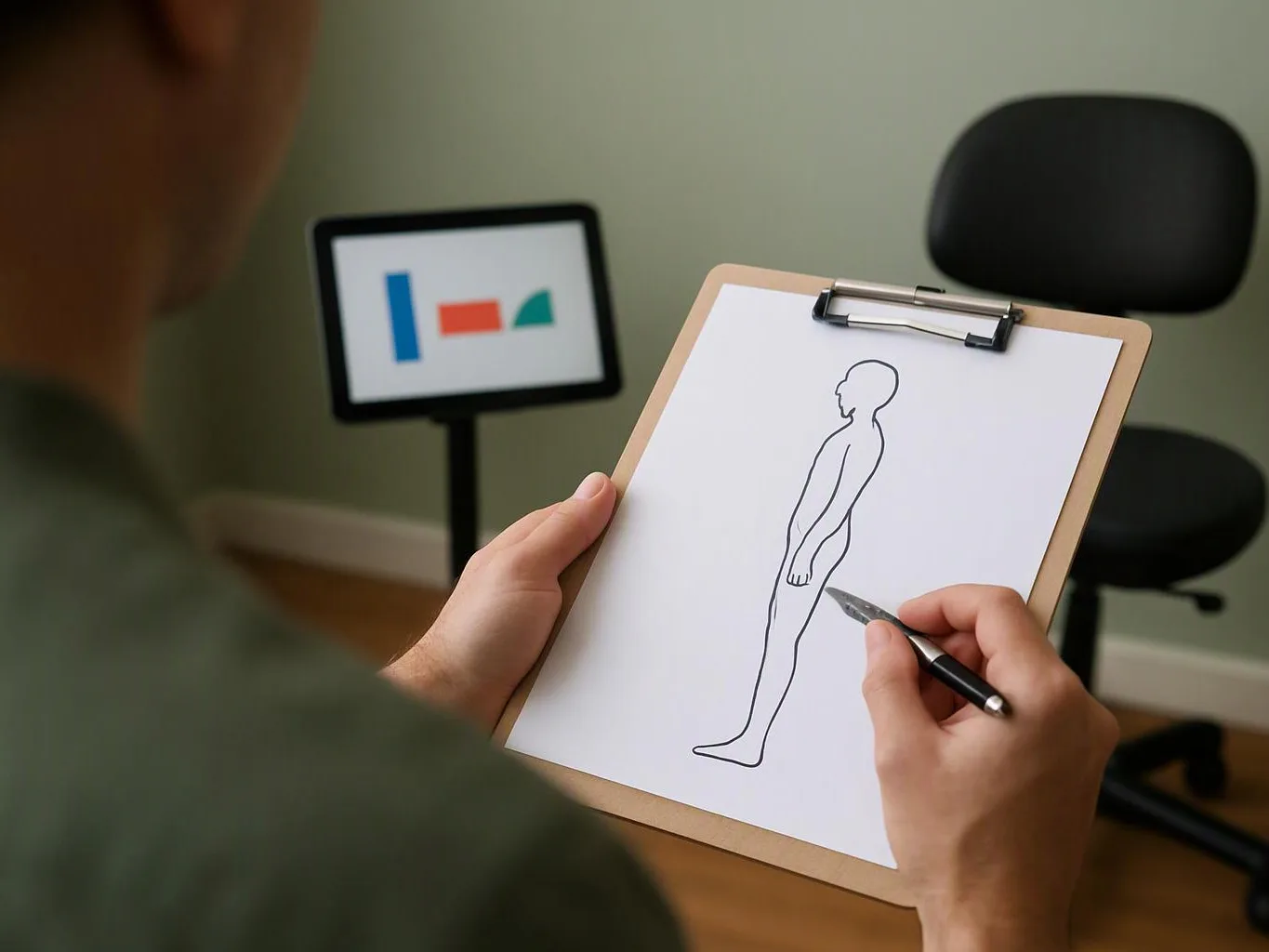
The exam matches care to spinal motion, posture, muscle balance, joint mobility, gait patterns, and daily goals. Health history adds information about prior injuries and current symptoms. We use those findings to decide whether adjustments, exercises, soft tissue therapy, or spinal decompression fit the patient.
Why might walking feel uneven with scoliosis?
An uneven walking pattern may reflect changes in spinal motion, hip movement, muscle balance, or movement control. The exam checks how those areas work together during activity. Our team then explains whether rehabilitative care or therapeutic exercises may support safer movement. Sudden weakness or severe new symptoms require medical evaluation.
What is included in the first visit?
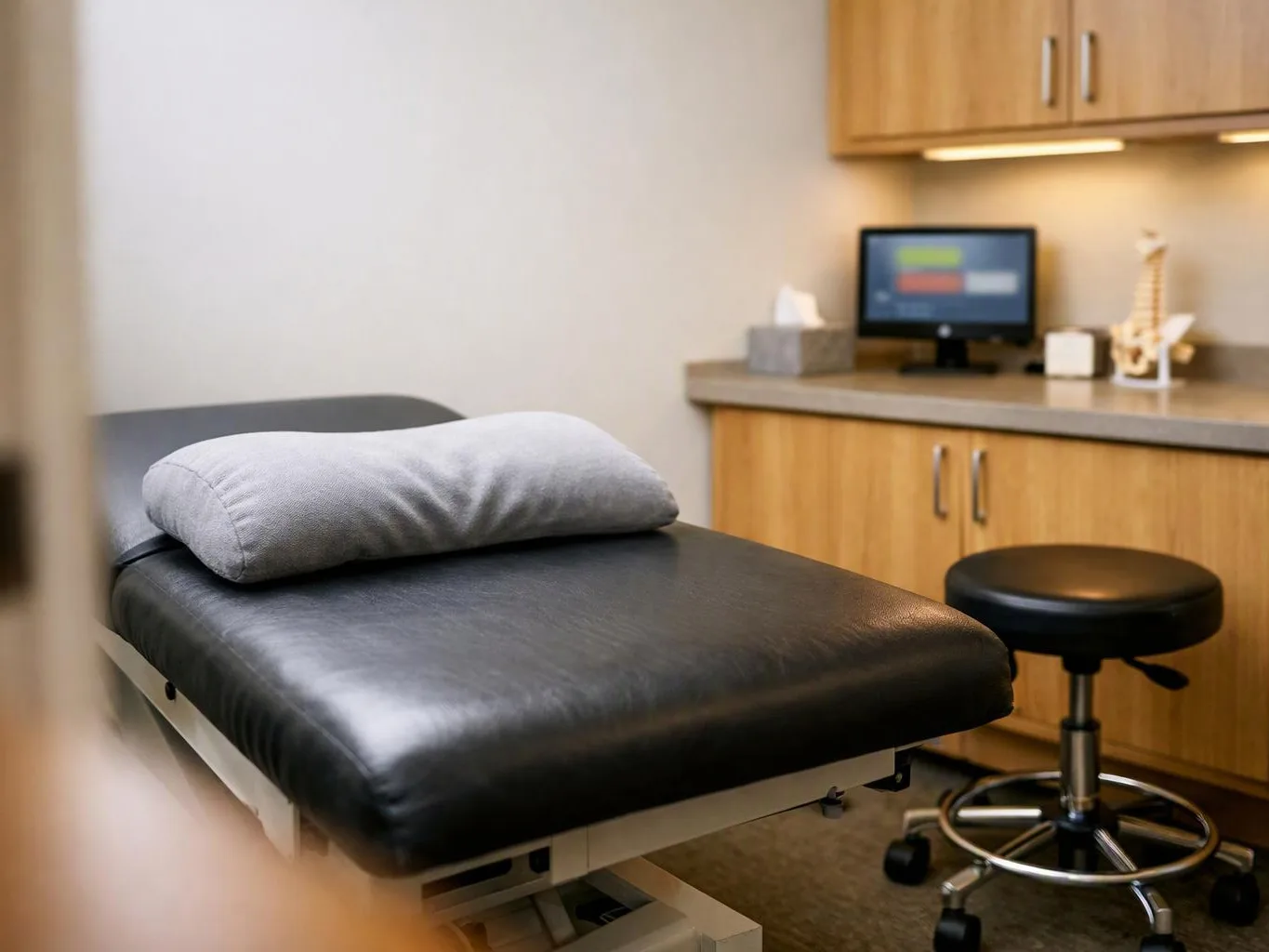
The first visit includes a new patient intake, health history, physical exam, and discussion of goals. The exam reviews posture, spinal motion, joint mobility, and related muscle function. We then explain suitable care options and next steps. Bring relevant medical records or imaging if you have them.
When should I seek medical care before chiropractic care?
Urgent medical care comes first for sudden weakness, loss of bladder or bowel control, severe trauma, or rapidly worsening symptoms. Those signs may point to a condition that needs medical assessment. Tell our team about all symptoms during intake so we can help identify the safest next step.