Skip to content

Scoliosis Treatment in Hermitage, Tennessee

We assess spinal alignment, movement, and daily limits before planning care. Our team provides personalized chiropractic care close to home.

Upfront, Transparent PricingServing 23 CommunitiesMon-Fri: 9 am–7 pm, Sat: 9 am–2 pm, Sun: ClosedFast Scheduling
Scoliosis Treatment helps patients in Hermitage address discomfort, uneven movement, and related back or neck symptoms. Advanced Injury Care Clinic begins with a thorough evaluation, then builds care around each patient's condition, goals, and lifestyle. Your plan may include chiropractic adjustments, therapeutic exercises, soft tissue techniques, or spinal decompression. Individual response differs, so we review progress and adjust care when needed.

What patients may notice in daily movement

Care may help reduce discomfort linked with uneven spinal stress.

Therapeutic exercises may support steadier posture and movement control.

A tailored plan connects treatment choices with your daily activities and goals.

What Scoliosis Treatment Covers

Scoliosis Treatment is a chiropractic care approach that addresses symptoms and movement limits linked with spinal curvature.
  • It differs from general back pain care because the evaluation considers uneven spinal loading, posture, and movement patterns together.
  • Patients in Hermitage receive the same individualized process as patients from nearby Nashville-area communities.
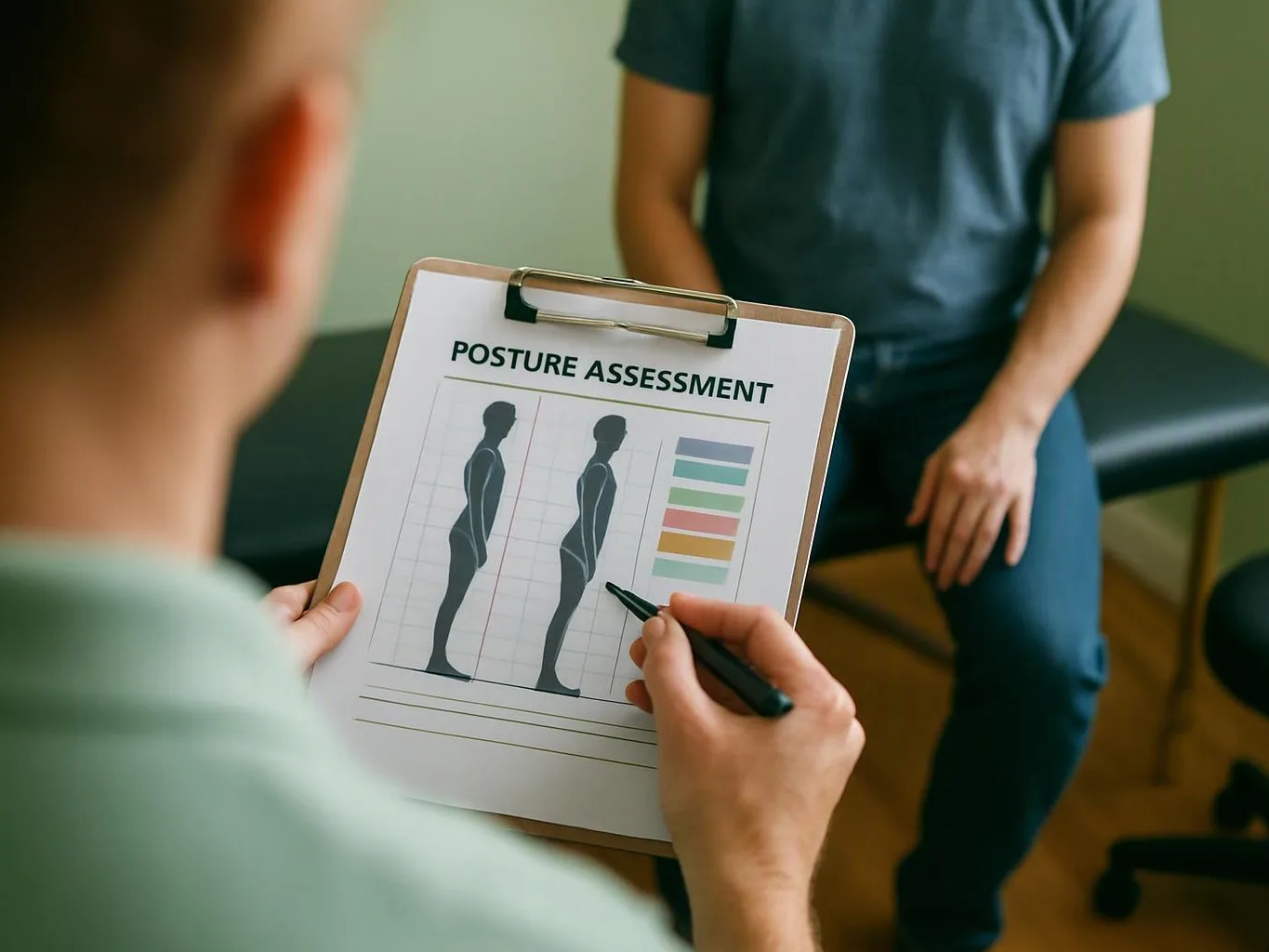
A clinician holds a clipboard with a posture assessment chart while another person sits in an exam room
About

How scoliosis care addresses movement and daily comfort

Scoliosis care starts with a health history and physical evaluation. We consider symptoms, posture, spinal movement, and the activities that matter to you. Treatment does not follow one fixed routine. Chiropractic adjustments may address restricted movement, while therapeutic exercises support strength and control. Soft tissue techniques may help with muscle tension, and spinal decompression may be considered for related back or neck concerns. Our goal is to support movement and comfort, not promise a specific result. Individual response differs, so progress reviews help us decide whether your care plan still fits.

Process

How scoliosis care moves from assessment to follow-up

1

Discuss symptoms and daily limits

We review your health history, pain pattern, movement concerns, goals, and lifestyle. This gives the evaluation a useful starting point.

2

Check posture and spinal movement

We perform a thorough evaluation of alignment, movement, and related muscle tension before choosing care.

3

Build the care plan

We match treatment to your needs. Options may include tailored adjustments, spinal decompression, soft tissue techniques, and therapeutic exercises.

4

Review progress and adjust care

We discuss how your symptoms and movement change during care. The plan can be refined when your needs or goals change.

What to prepare before a scoliosis visit

A few details can help us connect your symptoms with your movement and daily routine.

  • Write down where discomfort appears and what activities affect it.
  • Bring relevant health records or imaging reports you already have.
  • List current medicines, past injuries, and other care you receive.
  • Note your main movement goals, such as walking, work, exercise, or sleep.

The Advanced Injury Care Clinic Standard

Personalized Care

We match scoliosis care to each patient's symptoms, movement findings, goals, and daily activities.

Thorough Evaluations

We evaluate posture, spinal movement, muscle tension, and symptom patterns before recommending adjustments or exercise care.

Spinal Decompression

We consider spinal decompression for back or neck concerns when evaluation findings support adding it to care.

Questions about scoliosis care and treatment choices

Who provides scoliosis treatment at your Hermitage clinic?

Advanced Injury Care Clinic provides scoliosis care through individualized chiropractic evaluations and treatment plans. Our licensed chiropractor reviews your symptoms, movement, goals, and lifestyle before recommending care. Options may include tailored adjustments, therapeutic exercises, soft tissue techniques, or spinal decompression. Individual response differs, so we review progress as care continues.

What happens during the first scoliosis visit?

The first visit includes a health history and thorough evaluation of symptoms, posture, movement, and daily limits. We discuss your goals and explain suitable care options. The visit may lead to a personalized treatment plan that includes adjustments, exercises, soft tissue techniques, or spinal decompression when appropriate.

Can chiropractic care improve posture with scoliosis?

Chiropractic care may support posture and movement, but it does not promise to remove spinal curvature. Our team checks how you move and which muscles carry extra strain. Care may combine tailored adjustments with therapeutic exercises. Results vary, so progress discussions help guide the plan.

Which part of the engagement changes the price of scoliosis care?

The care plan, techniques recommended, evaluation needs, and visit goals affect the cost. Spinal decompression, soft tissue techniques, and exercise guidance may involve different treatment choices. We explain the recommended care and how to request a quote before treatment decisions are made.

Is spinal decompression better than adjustments for scoliosis?

Neither method is better for every patient because the choice depends on symptoms, movement findings, and care goals. We evaluate your condition first, then explain whether adjustments, spinal decompression, exercises, or soft tissue work fits the plan. Individual response guides later care decisions.

Do I need a referral before starting care?

A referral is not stated as a requirement for requesting an evaluation at our clinic. We begin with your health history, symptoms, goals, and movement assessment. Bring any relevant records or imaging reports you already have, so our team can consider them during care planning.

Can home exercises replace in-clinic scoliosis care?

Home exercises support a care plan but do not replace an individualized evaluation. Exercise choice depends on movement findings, symptoms, and daily goals. We can explain how therapeutic exercises fit with adjustments, soft tissue techniques, or spinal decompression when those options suit your needs.
Contact

Discuss scoliosis care in Hermitage

Your first deliverable is a thorough evaluation of symptoms, posture, movement, and goals. Advanced Injury Care Clinic can then explain suitable care options for your needs and schedule.

Scenarios

When Customers Call Us About Scoliosis Treatment

1

Pain During Workday Standing

Standing for work can expose uneven loading through the back, especially when one side feels tighter or more tired. The key question is how posture, movement, and symptoms connect. Bring notes about your work tasks and pain pattern, then schedule an evaluation so we can build care around your daily demands.

2

Uneven Posture During Exercise

A shoulder or hip that appears higher during exercise may point to a movement pattern worth checking. Scoliosis care focuses on the spine, nearby muscles, and how your body moves under demand. Record which exercises cause trouble and discuss them during your visit before changing your routine.

3

Long-Term Care Planning

Some patients seek guidance after recurring back discomfort affects sleep, walking, or normal activities. A useful plan needs more than one symptom description because goals and lifestyle shape the care choices. Bring your main concerns to the consultation, and we’ll explain which evaluation findings guide the next step.

Our Other Services

Chiropractic AdjustmentStiff joints and limited movement can make everyday tasks uncomfortable. Chiropractic adjustments address spinal alignment and restricted vertebral motion, helping ease joint discomfort and restore smoother movement through a care plan based on your evaluation.
Spinal Decompression TherapyPersistent back pressure can interfere with sitting, walking, and sleep. Spinal decompression uses controlled traction to reduce strain around compressed discs and support easier movement when standard care hasn’t provided enough relief.
Massage TherapyTight muscles after work, exercise, or daily stress can leave your body sore and restricted. Massage therapy targets muscle tension and circulation with focused hands-on techniques, helping you move more comfortably and recover from everyday strain.
Prenatal MassagePregnancy can bring hip tension, lower-back soreness, and tired legs. Prenatal massage uses supportive positioning and gentle pressure around changing body areas, helping expectant mothers feel more comfortable while avoiding unnecessary strain.
Auto Accident Injury TreatmentPain after a collision may develop gradually, even when you feel fine at first. We evaluate seat-belt injuries, joint stiffness, and soft-tissue damage, then build care around your symptoms and documented recovery needs.
Whiplash TreatmentNeck soreness, reduced rotation, and headaches often follow a sudden rear-impact movement. Whiplash treatment checks cervical motion and surrounding muscle tension, then uses adjustments and rehabilitation exercises to support safer, more comfortable movement.

The health and wellness information on this website is for general informational purposes only and is not medical advice. It does not create a provider-patient relationship. Always consult a qualified licensed provider in Hermitage, Tennessee, United States about your specific condition before making care decisions. Individual results vary.

(615) 265-0412