Skip to content

Scoliosis Treatment in Walnut Grove, Tennessee

Uneven posture or recurring back strain may point to a need for corrective exercises in Walnut Grove. We build care around your exam, goals, and daily movement.

Upfront, Transparent PricingServing 23 CommunitiesMon-Fri: 9 am–7 pm, Sat: 9 am–2 pm, Sun: ClosedFast Scheduling

Quick Summary: Scoliosis Care in Walnut Grove, Tennessee

Scoliosis Treatment in Walnut Grove is provided by Advanced Injury Care Clinic for spinal alignment concerns, movement limits, and related discomfort. We serve Walnut Grove and nearby Nashville-area communities with an evaluation and personalized care plan.

  • What we do: Advanced Injury Care Clinic provides Scoliosis Treatment for patients in Walnut Grove, Tennessee through evaluation, spinal adjustments, therapeutic exercises, and rehabilitative care.
  • What is included: Key Capabilities include posture review, core strengthening, soft tissue therapy, spinal decompression, and individualized chiropractic care.
  • What you get: Scoliosis Treatment helps establish a practical care plan for improved movement, comfort, and daily function.

Why do scoliosis symptoms keep happening?

Recurring scoliosis symptoms may relate to posture, muscle strain, joint movement, or daily activity. An exam helps identify the main concerns and guides suitable care.

Scoliosis Treatment Decisions in Walnut Grove

Scoliosis treatment focuses on how the spine, muscles, joints, and posture work together during daily movement. It may suit people with uneven posture, back pain, reduced mobility, or strain linked to spinal curvature.

The main decision is choosing care that matches your symptoms and goals. Our team starts with a health history and exam, then explains whether adjustments, exercise, decompression, or soft tissue work fits your needs.

This page focuses on conservative care for scoliosis-related concerns. Severe symptoms, sudden weakness, loss of bladder or bowel control, or major trauma need prompt medical attention before chiropractic care.

  • Bring a clear record of your symptoms, daily limits, and treatment goals.
  • Ask how the exam will guide your personalized treatment plan.
  • Discuss any prior imaging, injuries, surgery, or changing symptoms.
  • Review how home exercises and follow-up checks fit your care.
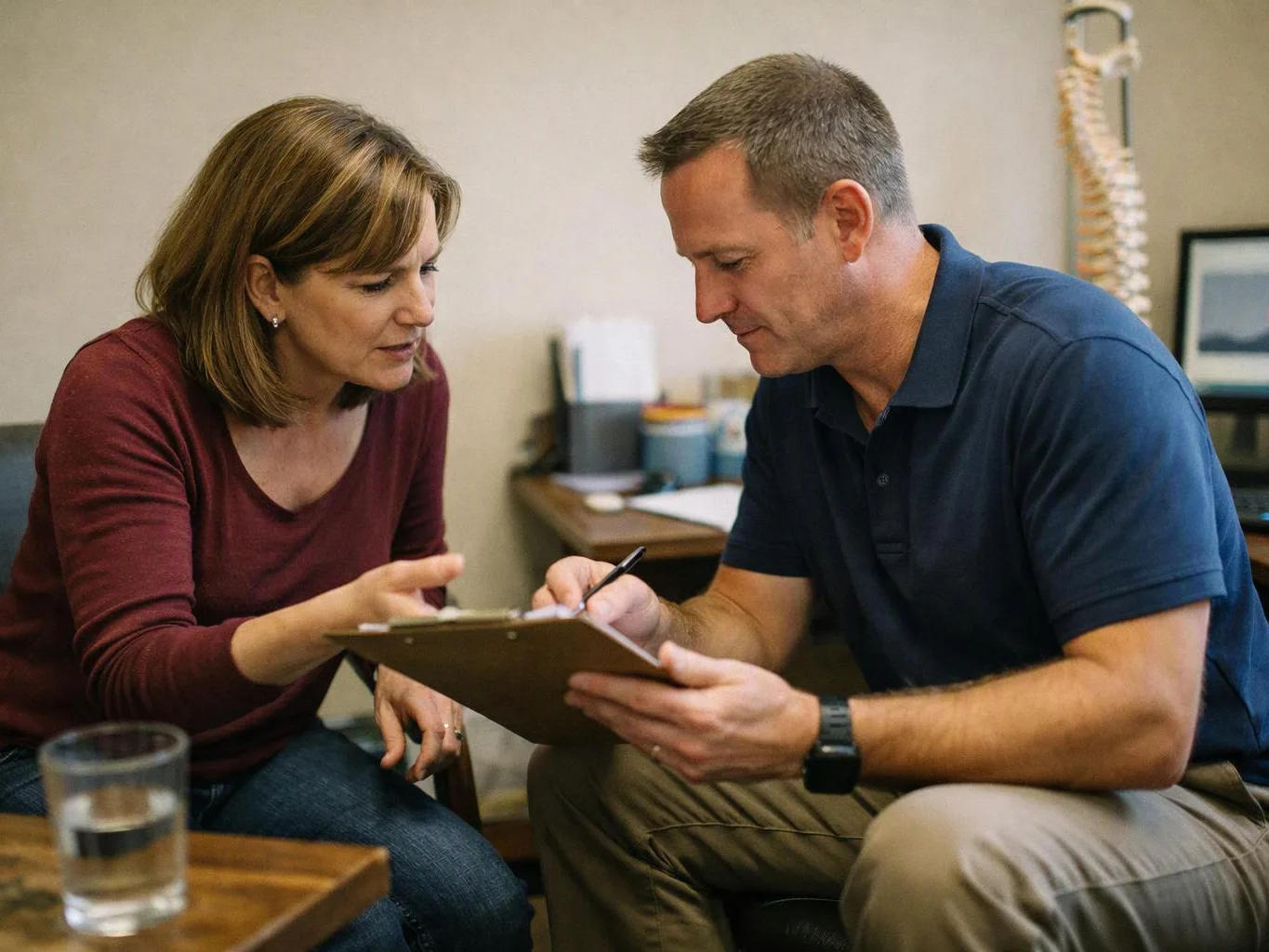
A man sits on a treatment table talking to a woman with a clipboard in a bright clinic room

Service Overview

Scoliosis treatment is a care approach that addresses spinal movement, posture, muscle balance, and related discomfort.

  • Chiropractic care may combine adjustments and exercise-based rehabilitation, while physical therapy often centers on broader movement retraining.
  • Advanced Injury Care Clinic provides this care for patients in Walnut Grove and nearby Nashville-area communities.

What Scoliosis Care Can Change

A clear exam helps connect posture, movement, and discomfort.

Personalized care plans give you practical steps for home and daily activity.

Exercise-based care may support stronger core control and steadier movement.

Spinal adjustments may improve joint motion when they fit your condition.

Soft tissue therapy may ease muscle tightness linked to altered movement.

Regular maintenance can support movement habits after active care ends.

What Scoliosis Care Includes for Your Visit

Advanced Injury Care Clinic provides comprehensive Scoliosis Treatment in Walnut Grove. Here's what you get:

  • We complete a new patient intake, health history, and physical exam.
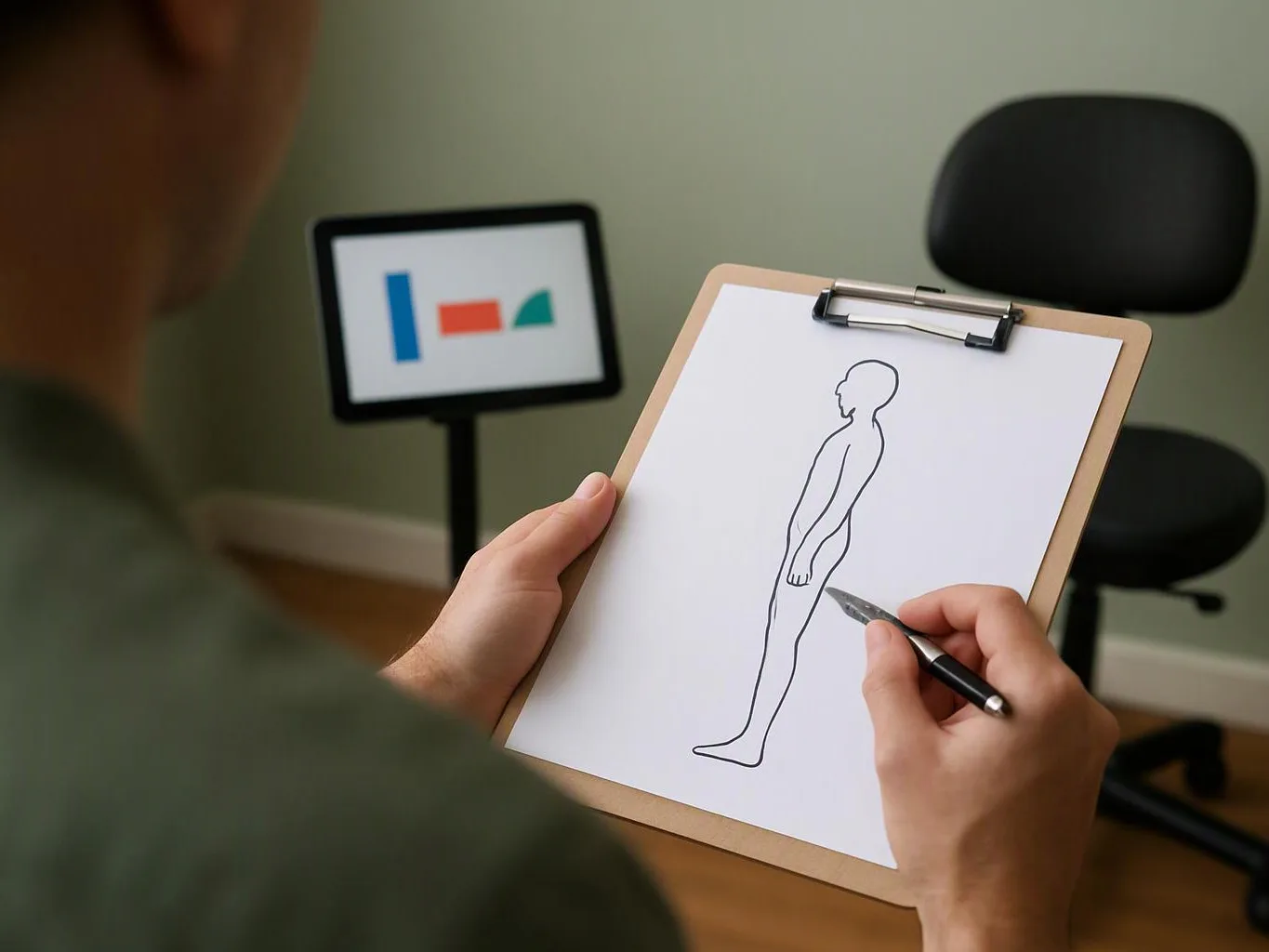
  • We assess posture, spinal movement, muscle balance, and areas of discomfort.
  • We explain a personalized treatment plan based on your condition and goals.
  • Care may include chiropractic adjustments and spinal decompression when appropriate.
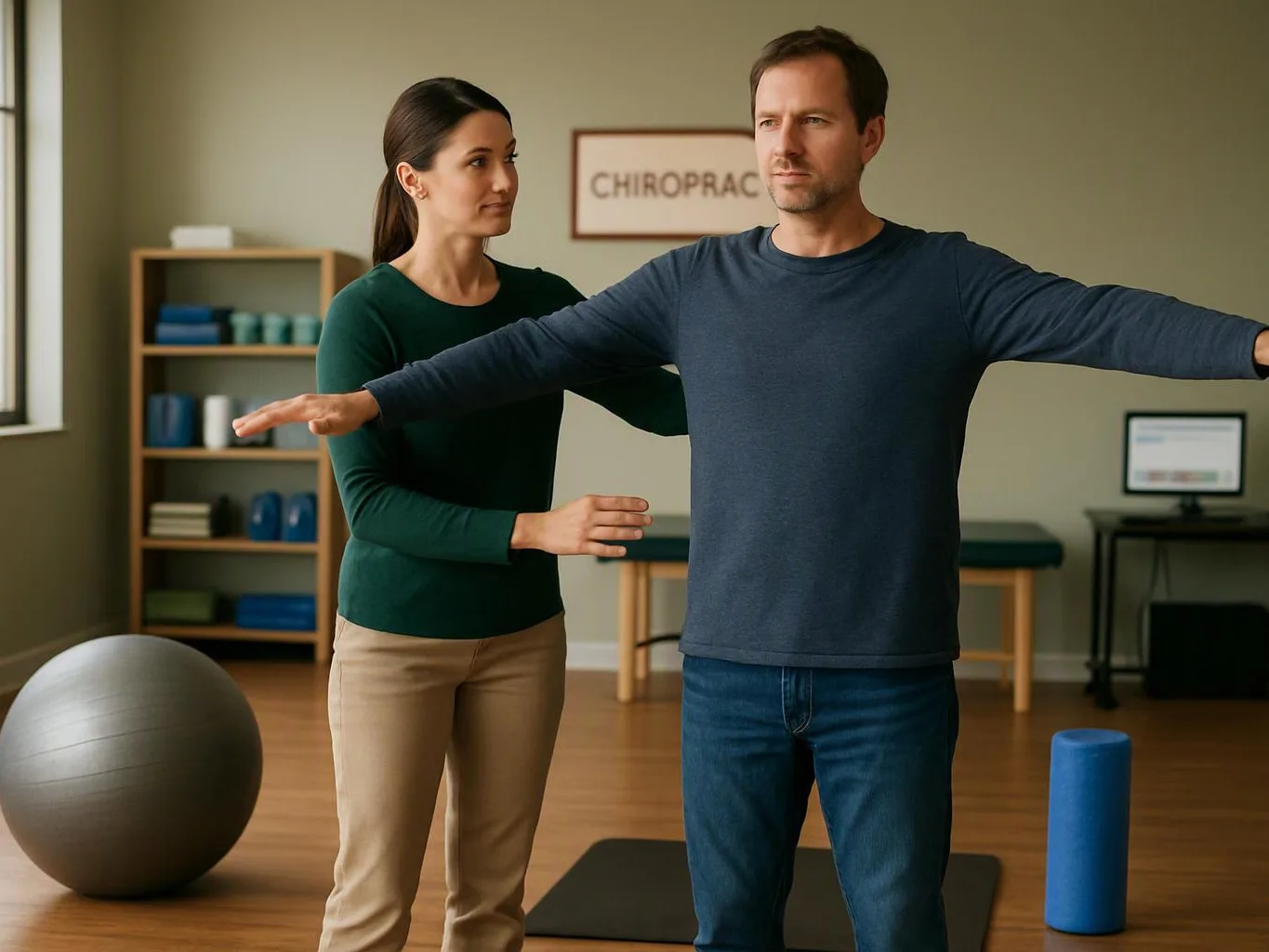
  • Therapeutic exercises and core work support movement between visits.
  • Soft tissue therapy and rehabilitative care may address related muscle tension.
Process

How We Plan Scoliosis Care

1

Complete the new patient intake

We review your health history, symptoms, past injuries, activity needs, and treatment goals. Bring any relevant medical records or imaging you already have.

2

Check posture and movement

Our team examines posture, spinal motion, muscle balance, and areas linked to discomfort. X-rays may be considered if clinically indicated.

3

Explain the findings

We provide a report of findings in plain language. You can ask how each concern relates to movement, comfort, and daily activity.

4

Set the care plan

The plan may include spinal adjustments, spinal decompression, soft tissue therapy, or rehabilitative care based on your needs.

5

Review progress and home care

Follow-up checks help us review your response and adjust care. Home exercises and posture guidance support work between visits.

What Patients Get From This Care

A plan tied to your movement

Your care plan follows the findings from your intake and exam. We connect treatment choices to your symptoms, activity level, and goals. This service is the wrong fit for sudden medical emergencies or symptoms that need hospital care first.

Several conservative care options

Spinal adjustments, spinal decompression, therapeutic exercises, and soft tissue therapy may be considered. Our team explains why a method fits before adding it to care.

Guidance beyond the treatment table

Posture habits and core control affect daily movement. We include practical guidance so you understand how home activity supports your plan.

How Care Methods Differ

This table compares the main methods that may appear in an individualized care plan.

Care methodMain focusWhen it may fit
Spinal adjustmentsJoint movement and spinal mobilityWhen examination findings support manual care
Core strengtheningMuscle control and movement supportWhen weakness or control limits affect daily activity
Soft tissue therapyMuscle tension and tissue movementWhen tight muscles add to movement strain

The Advanced Injury Care Clinic Standard

  • Personalized Care
  • Thorough Evaluations
  • Clear Explanations
  • Respectful Environment

Questions About Scoliosis Care

What conservative treatments may help scoliosis symptoms?

Corrective exercises may help scoliosis symptoms by improving core control, posture, and movement habits. Advanced Injury Care Clinic may also use spinal adjustments, spinal decompression, or soft tissue therapy when suitable. Results vary, so the plan follows your exam and goals. We explain the purpose and limits of each method before care begins.

What does the clinician look at first during care?

The first review covers posture, spinal motion, muscle balance, symptoms, and daily activities. Our team also asks about injuries, health history, and treatment goals. These findings guide the report of findings and help identify which methods may fit. X-rays are considered only when clinically indicated.

What should be checked before care is scheduled?

A health history and physical exam should be checked before a care plan is scheduled. Bring information about pain, movement limits, prior injuries, surgery, and current treatment. The review also considers warning signs that need medical attention first. This step helps match care to your condition.

Which method is better for scoliosis-related discomfort?

The examination determines whether adjustments, exercise work, decompression, or soft tissue therapy fits best. No single method suits every patient. Our team weighs symptoms, movement, goals, and lifestyle before recommending care. You receive an explanation of the selected approach and its role in the plan.

How does spinal decompression fit this care plan?

Spinal decompression may support care when reduced spinal loading and gentle movement fit the examination findings. It is not automatically used for every patient. Our team reviews symptoms, history, and goals before recommending it. The plan may also include exercises or soft tissue work.

When should scoliosis symptoms receive urgent medical attention?

Sudden weakness, loss of bladder or bowel control, severe trauma, or rapidly worsening symptoms need prompt medical attention. Those warning signs can point to a problem beyond routine chiropractic care. Our team can review your concerns, but urgent symptoms should receive medical evaluation first.

Why might posture training matter after an appointment?

Posture training matters because daily sitting, standing, and lifting can repeat the same movement strain. We show practical ways to support better control during normal activities. Home guidance works alongside in-office care, and progress checks help determine whether the plan needs changes.
Contact

Discuss Scoliosis Care in Walnut Grove

Book a free consultation with Advanced Injury Care Clinic to discuss your symptoms, movement goals, and care options. The first conversation can clarify what the evaluation covers and what happens next.

Two women sit face to face on a couch, talking in a cozy living room

The health and wellness information on this website is for general informational purposes only and is not medical advice. It does not create a provider-patient relationship. Always consult a qualified licensed provider in Hermitage, Tennessee, United States about your specific condition before making care decisions. Individual results vary.

(615) 265-0412