Skip to content

Posture Correction in White House, Tennessee

Core exercises can support better posture in White House when they match your movement needs. Our licensed chiropractor builds a plan around your exam and goals.

Upfront, Transparent PricingServing 23 CommunitiesMon-Fri: 9 am–7 pm, Sat: 9 am–2 pm, Sun: ClosedFast Scheduling

Quick Summary: posture correction in White House, Tennessee

Posture Correction in White House is provided by Advanced Injury Care Clinic for patients seeking help with posture, back pain, neck pain, and movement habits. Care includes a thorough evaluation and an individualized plan, with coverage for Hermitage and surrounding Nashville-area communities.

  • What we do: Advanced Injury Care Clinic provides Posture Correction for patients in White House, Tennessee through assessment, movement guidance, chiropractic care, and rehabilitation.
  • What is included: Key capabilities include posture assessment, personalized care plans, chiropractic adjustments, spinal decompression, soft tissue techniques, and therapeutic exercises.
  • What you get: Posture correction gives the patient a clear care plan for improving movement, comfort, and daily posture habits.

What exercises support better posture?

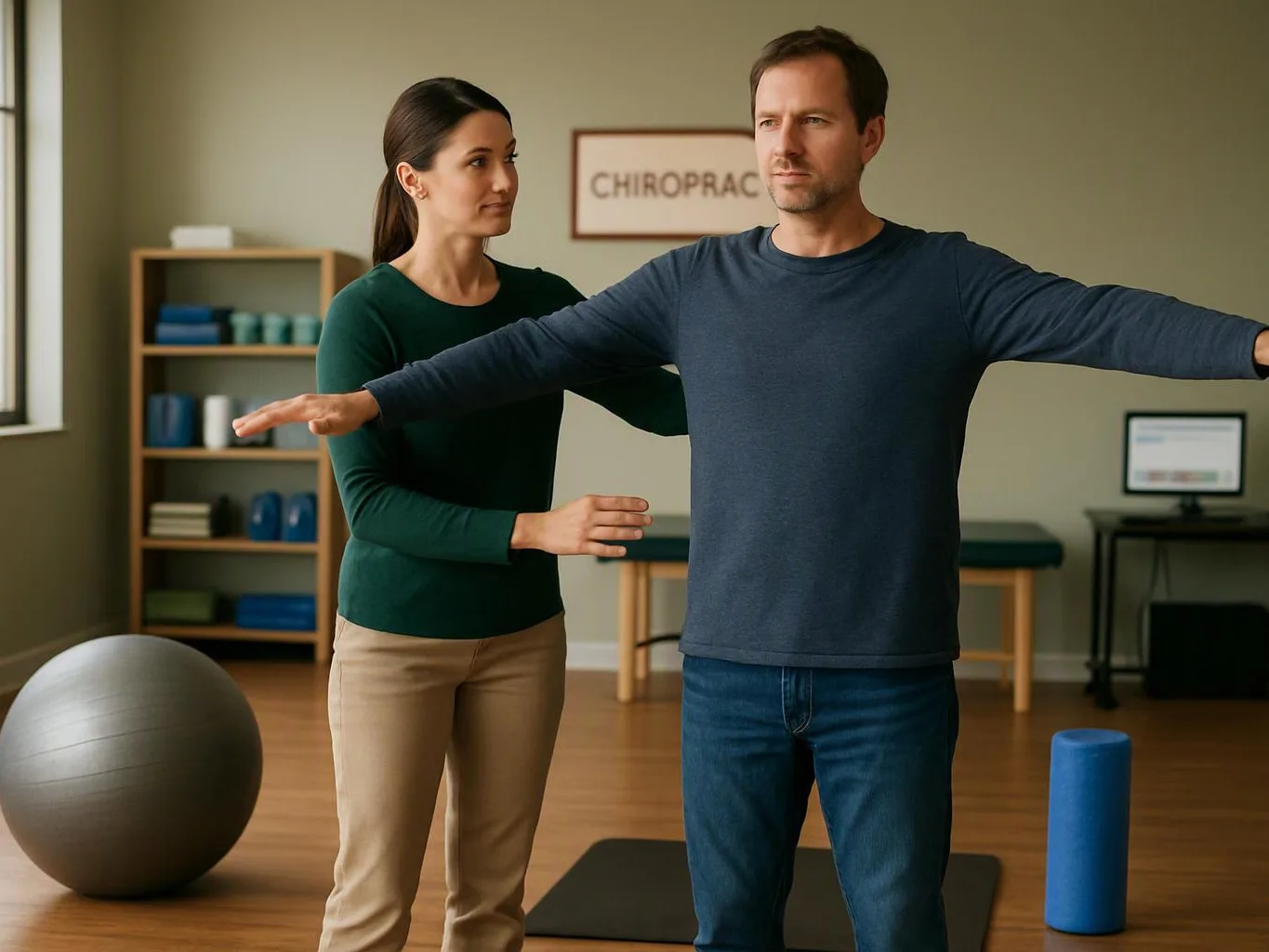
Core exercises support better posture by helping the trunk stay steady during movement. Chin tucks, shoulder stretches, back strengthening, and chest opening may also fit a plan after an exam. Individual response differs, so Advanced Injury Care Clinic matches exercises to symptoms, movement limits, goals, and lifestyle.

Posture Correction in White House for Daily Movement Goals

Posture correction focuses on how your spine, shoulders, neck, hips, and muscles work together during daily tasks. It may suit people with slouching, recurring neck pain, back pain, headaches, or movement limits.

The main decision is fit. A posture plan should reflect your exam, symptoms, strength, flexibility, and daily habits. Our team reviews those points before choosing adjustments, therapeutic exercises, soft tissue therapy, or spinal decompression.

Posture work has limits. It does not replace urgent medical care for severe symptoms, and it may not be the right service for every condition. We explain when another type of care should be considered.

  • Bring a clear description of the posture or movement concern.
  • Note which daily tasks increase neck pain, back pain, or headaches.
  • Ask how exercises and in-office care fit your personal goals.
  • Expect the plan to change if a progress re-examination shows a different need.
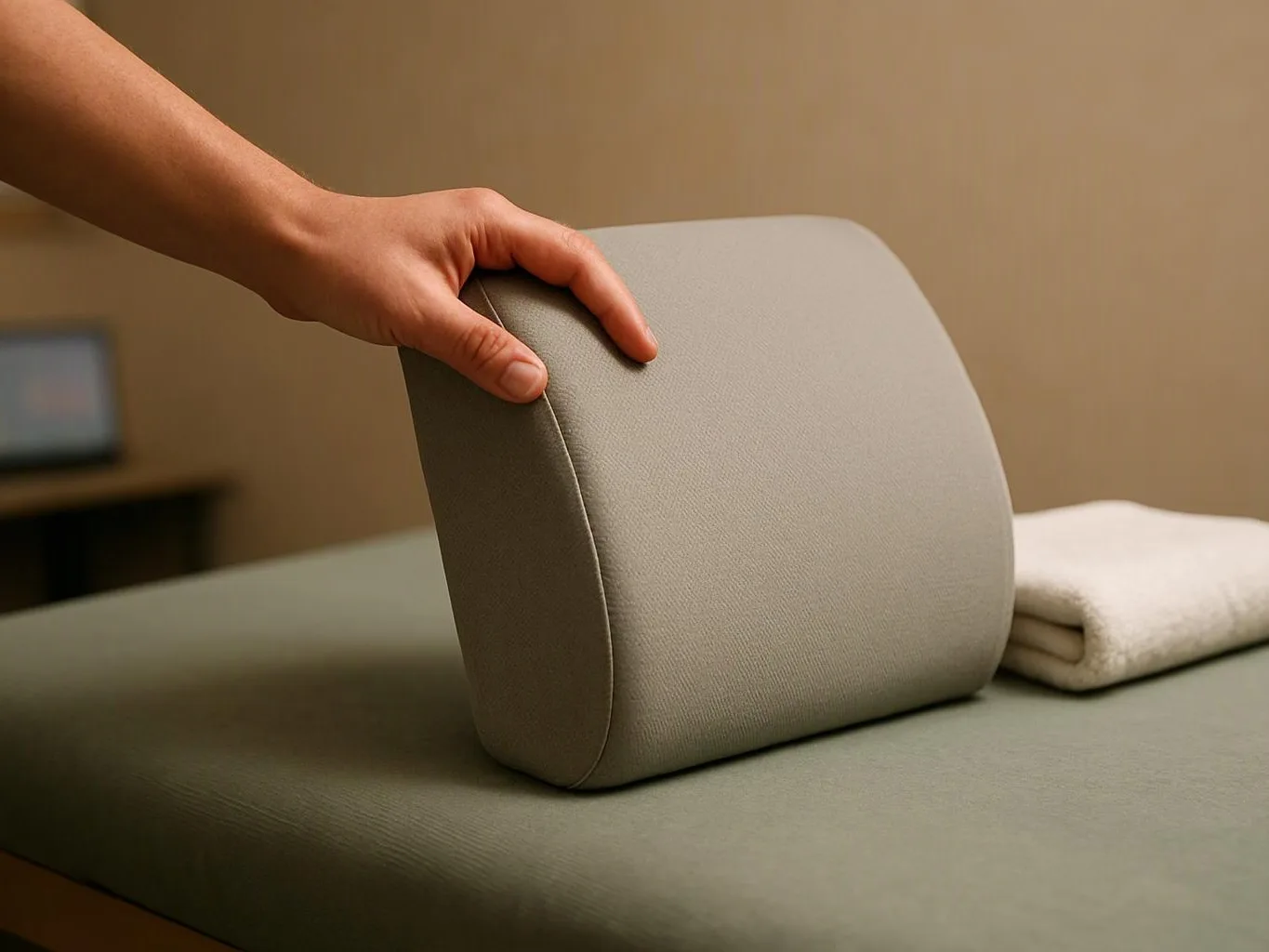
A padded massage table with rolled towels sits in a calm treatment room beside a wooden stool

Service Overview

Posture correction is a care approach that addresses movement habits, body alignment, strength, and flexibility.

  • It differs from a single adjustment because it can combine exercises, soft tissue techniques, and follow-up care.
  • We provide posture correction for patients in White House and nearby Nashville-area communities.
Process

How we complete a posture-focused visit

1

Review your health history

The new patient intake covers symptoms, past injuries, health history, daily habits, and your goals for care.

2

Examine posture and movement

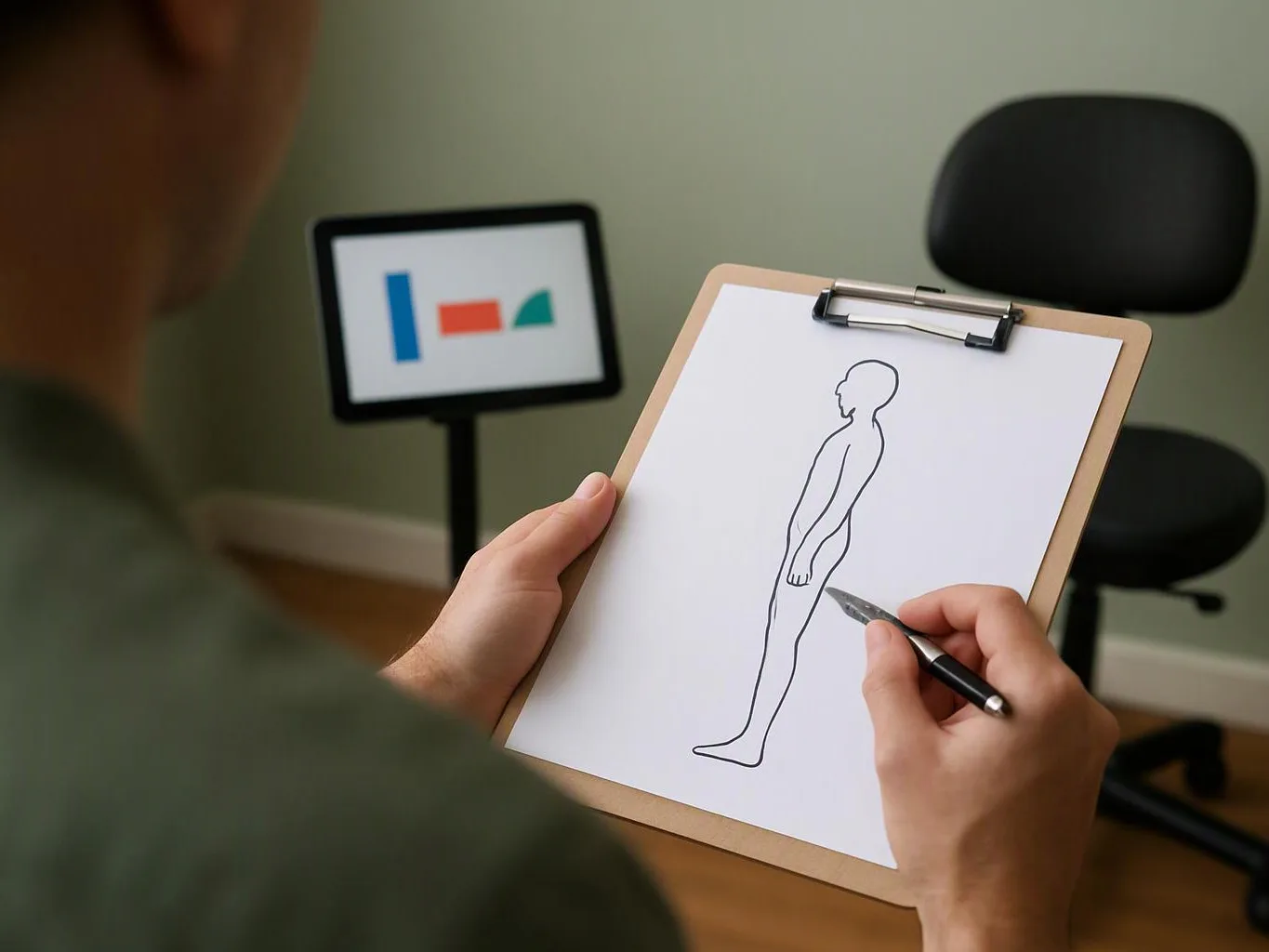
We check posture, range of motion, strength, joint movement, and areas linked to neck pain or back pain.

3

Explain the findings

The report of findings connects the exam with your concerns and explains which care options may fit.

4

Build the care plan

We may combine chiropractic adjustments, soft tissue techniques, spinal decompression, and therapeutic exercises based on your needs.

5

Practice the home movements

We show suitable movements, such as chin tucks or shoulder stretches, and explain how they support your plan.

6

Review progress

A progress re-examination helps us review movement, symptoms, and goals before updating care.

A situation this service fits

A person who spends long periods at a desk or behind the wheel may notice rounded shoulders and a forward head position. We check posture, neck motion, shoulder position, and trunk control before choosing exercises. The plan may pair movement practice with chiropractic care, then change after follow-up findings.

What you get from a posture-focused care plan

A plan tied to your exam

Your health history and physical exam guide the plan. We connect each exercise or treatment choice to a finding, symptom, or daily movement goal.

Guidance beyond the adjustment

Posture work can combine spinal adjustments, soft tissue therapy, stretching, and therapeutic exercises. That gives you more than one way to work on movement habits.

Licensed chiropractic care

Our licensed chiropractor provides care for injury-related conditions and common musculoskeletal concerns, with guidance that fits your condition and lifestyle.

A clear fit check

Posture correction is not the right job for every symptom. We review warning signs and care needs, and we explain when another medical evaluation may be more suitable.

What posture correction includes for your visit

Advanced Injury Care Clinic provides comprehensive Posture Correction in White House. Here's what you get:

  • A new patient intake records your health history, symptoms, and daily movement concerns.
  • A physical examination checks posture, range of motion, strength, and areas of discomfort.
  • A personalized care plan connects the findings with your goals and lifestyle.
  • Therapeutic exercises may include core exercises, chin tucks, shoulder stretches, back strengthening, or chest opening.
  • Chiropractic adjustments, soft tissue techniques, or spinal decompression may be included when clinically appropriate.
  • Follow-up care reviews progress and updates the treatment plan when needed.

What better posture habits can change

Improved body awareness can help you notice slouching during work, driving, or rest.

Stronger support muscles may help you move with greater comfort during daily tasks.

A tailored exercise plan gives you practical steps to continue between appointments.

Care can address posture concerns alongside neck pain, back pain, headaches, or sciatica.

Regular maintenance may help you stay consistent with movement habits after active care ends.

Choosing a posture care starting point

These options address different parts of a posture concern, so the assessment helps determine where to begin.

Care optionPrimary focusWhen it may fit
Therapeutic exercisesStrength, control, and movement habitsWhen the exam supports active movement work
Chiropractic adjustmentsJoint movement and spinal mobilityWhen examination findings support hands-on care
Soft tissue therapyMuscle tension and restricted soft tissue movementWhen muscle findings affect posture or comfort

The Advanced Injury Care Clinic Standard

  • Personalized Care
  • Thorough Evaluations
  • Clear Explanations
  • Respectful Environment

Questions about posture-focused chiropractic care

How does a posture correction visit move from the first call to the last step?

The visit moves from intake and examination to findings, treatment planning, exercise guidance, and progress review.

  1. We record your history and goals.
  2. We examine posture and movement.
  3. We explain suitable care.
  4. We review progress and update the plan.

Each step connects to your condition and daily needs.

Which material changes how long posture correction takes?

The care plan, not a single material, affects the time needed for posture work. Treatment choices, exercise needs, symptoms, goals, and follow-up findings shape the plan. We do not assign a fixed duration without examining you. A consultation gives you a more useful answer for your situation.

How can I tell whether posture correction fits my symptoms?

Posture correction may fit symptoms linked to movement habits, alignment, muscle control, neck pain, or back pain. A health history and physical exam check whether those issues match the service. Severe or unusual symptoms may need another medical evaluation. We explain the safest next step after reviewing your concerns.

What happens if posture work does not address my pain?

A progress review helps show whether the plan matches your response. Our team may adjust exercises, change the care focus, or explain when another evaluation is appropriate. Individual response differs, and posture care does not replace urgent medical attention for serious warning signs.

Do I need a referral before discussing posture care?

A referral is not stated as a requirement for discussing posture care with our clinic. Bring any relevant health information and describe your symptoms clearly. We begin with an intake and examination, then explain whether chiropractic care and therapeutic exercises fit your needs.

Who provides posture-focused chiropractic care in White House?

Advanced Injury Care Clinic provides posture-focused chiropractic care in White House. Our licensed chiropractor evaluates movement, discusses your goals, and builds an individualized care plan. The clinic also serves Hermitage and nearby Nashville-area communities.
Contact

Discuss posture correction in White House

Are slouching, neck tension, or back discomfort affecting your day? Contact Advanced Injury Care Clinic to discuss posture correction, your goals, and a suitable assessment. Free consultations are available.

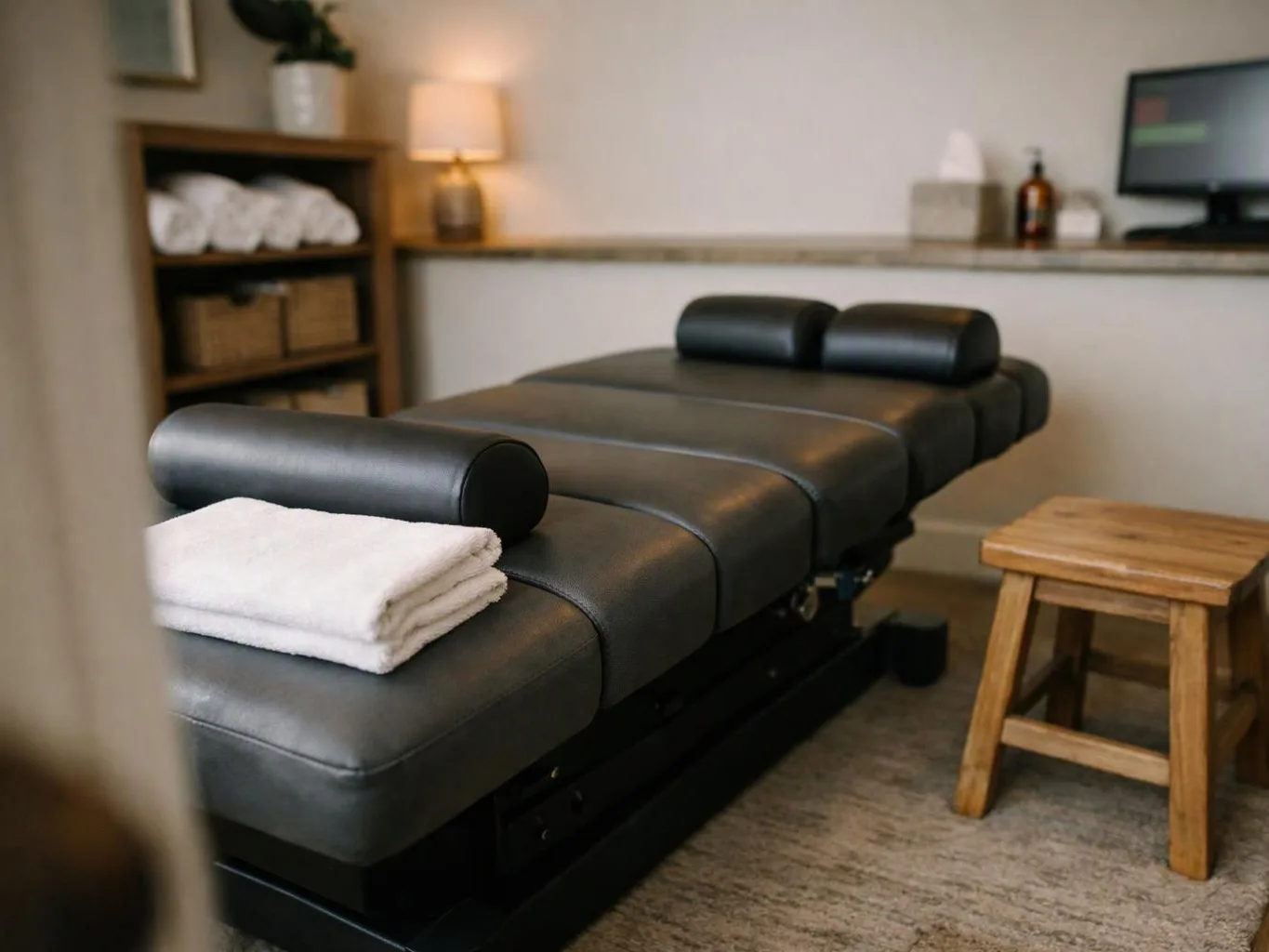
Folded white towels sit beside a cream neck pillow and a woven basket on a soft surface

The health and wellness information on this website is for general informational purposes only and is not medical advice. It does not create a provider-patient relationship. Always consult a qualified licensed provider in Hermitage, Tennessee, United States about your specific condition before making care decisions. Individual results vary.

(615) 265-0412