Review symptoms and injury history
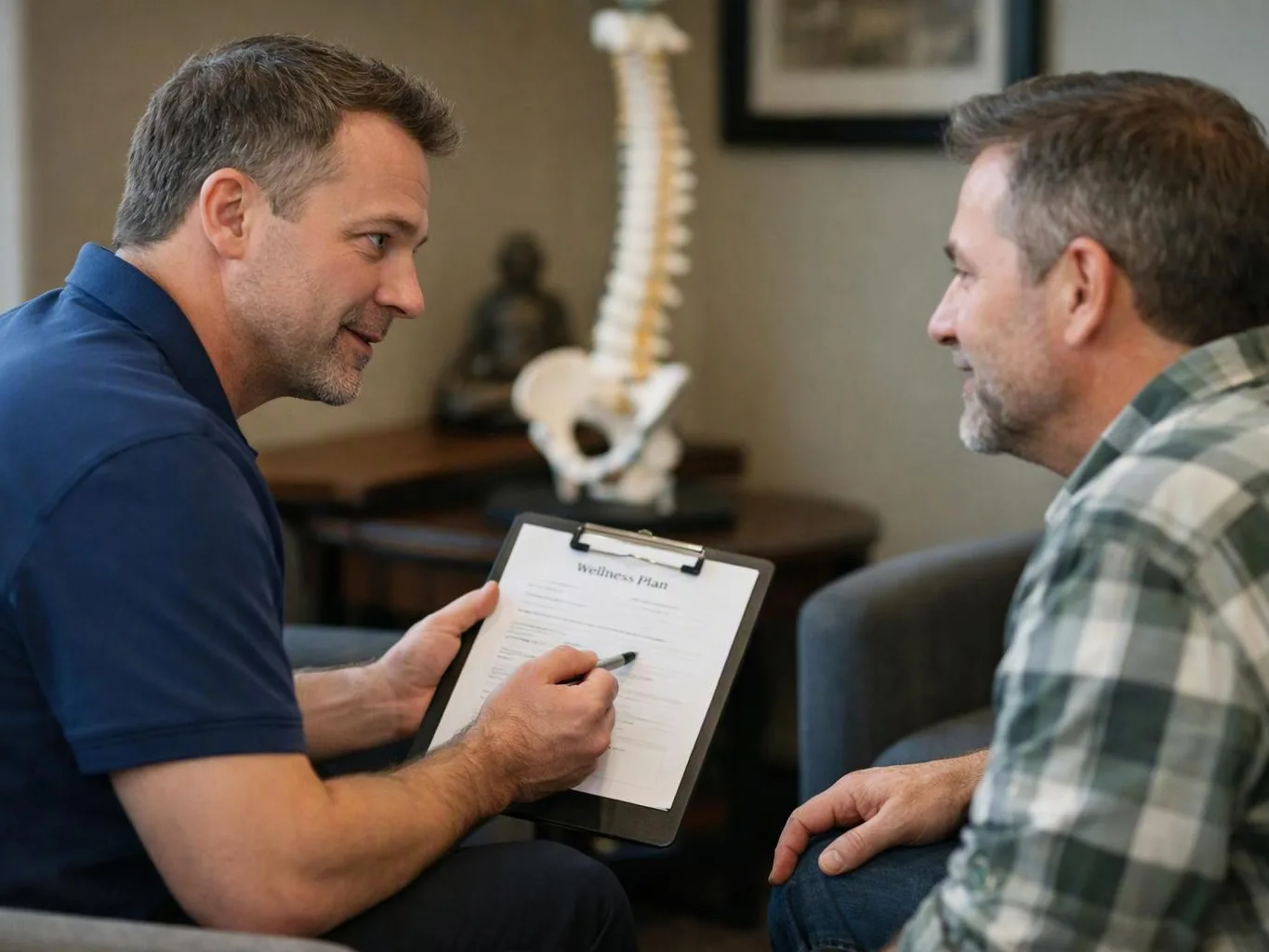
We discuss where pain occurs, what changes it, and how your history affects the treatment decision.
Dry needling targets tight muscle bands linked with myofascial pain. We explain the care approach before treatment and adapt it to your history and exam findings.
Dry needling may reduce local muscle tightness that limits comfortable movement.
A focused muscle assessment can connect tender areas with your pain pattern.
Treatment planning helps separate muscle symptoms from related spine, joint, or nerve concerns.
Care may support lasting mobility when paired with an appropriate rehabilitation plan.

Dry needling for myofascial pain addresses focused muscle tension that may affect comfort and movement. The work centers on painful or sensitive muscle areas, but the full plan also considers the injury or condition behind those symptoms. Our team reviews your health history and examination findings before recommending care. Treatment may sit alongside chiropractic adjustments, rehabilitation, or therapeutic exercise when those services fit your needs. Results vary, and individual response differs. We focus on a clear explanation of the care approach, the findings that support it, and the next decision you need to make.
Dry needling for myofascial pain is a treatment that uses a thin needle to address sensitive, tight areas within muscle tissue.
We discuss where pain occurs, what changes it, and how your history affects the treatment decision.
Our medical team examines movement and related musculoskeletal concerns, with diagnostic testing considered when clinically relevant.
We explain relevant findings, expected treatment focus, and how dry needling may fit your individualized plan.
Patients may begin with a free consultation, and we explain the recommended care before discussing the next step.
We discuss how symptoms and movement respond, then consider chiropractic adjustments, rehabilitation, or therapeutic exercise when appropriate.
Bring information that helps us connect your muscle pain with your broader health history.
We explain examination findings and the recommended muscle care approach before dry needling begins.
We adapt dry needling discussions to each patient's history, concerns, symptoms, and examination findings.
We explain trigger points, treatment sensations, related care, and what patients may notice after treatment.

The service is awesome. This is just my 3rd visit and I'm already beginning to feel a lot better. I love the message chair and the electric stimulation. Also doctor Robert's is awesome. She finds many ways to get my back realigned.

It’s been a short time since I have been in therapy with this place , however I felled so much better, I personally thank the hospitality and professional manner they are dealing with my body problems. Thank you very much

My experience here has been excellent. They take into consideration my needs and personalize the treatment to my ability. The staff is kind and friendly and explains things to my understanding. Highly recommended
Start with a consultation and receive a symptom and injury-history discussion before treatment decisions are made. Advanced Injury Care Clinic serves Hermitage and the Nashville area.
A car accident can leave muscle pain that returns with certain movements, even after the first symptoms change. The injury history matters because neck, back, joint, and muscle findings may overlap. In Hermitage, you can start with a consultation so our team can review the pain pattern, examine movement, and discuss whether dry needling belongs in your care plan.
A small, painful area in a muscle may make turning, reaching, or walking harder. The location alone does not explain the cause, so our team compares the tender point with your symptoms and health history. Bring a clear description of the movement limit, then discuss treatment options and possible testing during your consultation.
Chronic pain can involve muscle tension, joint inflammation, spinal movement, or related neurological concerns. Dry needling may address a muscle component, but the plan must match the full examination. Patients can discuss their past care, current symptoms, and mobility goals with our medical team before choosing the next step.