Skip to content

Auto Accident Injury Treatment in Berry Hill, Tennessee

Checking delayed pain after a collision helps guide care in Berry Hill. We assess symptoms, review your health history, and plan the next step.

Upfront, Transparent PricingServing 23 CommunitiesMon-Fri: 9 am–7 pm, Sat: 9 am–2 pm, Sun: ClosedFast Scheduling

Quick Summary: Auto accident injury care in Berry Hill, Tennessee

Auto Accident Injury Treatment in Berry Hill is provided by Advanced Injury Care Clinic for collision-related neck pain, back pain, whiplash, headaches, and other musculoskeletal concerns. Care includes a thorough evaluation and a personalized plan, with coverage for Hermitage and nearby Nashville-area communities.

  • What we do: Advanced Injury Care Clinic provides Auto Accident Injury Treatment for patients in Berry Hill, Tennessee, after vehicle collisions.
  • What is included: Evaluation, chiropractic adjustments, spinal decompression, soft tissue therapy, therapeutic exercises, and rehabilitative care.
  • What you get: The patient receives a clear assessment and care plan matched to collision-related symptoms and daily goals.

When should I seek care for delayed pain after a crash?

Delayed pain after a crash deserves an evaluation when neck pain, back pain, headaches, stiffness, or reduced movement appears or continues. Early assessment helps document symptoms and guides the care plan. Severe or unusual symptoms need medical attention beyond chiropractic care.

Auto Accident Injury Treatment for delayed collision symptoms in Berry Hill

Auto accident injury treatment is for people who develop neck pain, back pain, whiplash, headaches, sciatica, or limited movement after a crash. The work starts with a health history and exam, then moves to a report of findings and a personalized treatment plan.

The key decision is whether chiropractic care fits your symptoms and goals. Our team may use adjustments, spinal decompression, soft tissue therapy, therapeutic exercises, or rehabilitative care. X-rays may be considered when clinically indicated.

The service has a clear limit. Chiropractic care addresses musculoskeletal concerns, but severe symptoms or conditions outside that scope may call for medical evaluation or another form of care.

  • Record when symptoms began and whether they changed after the collision.
  • Bring available accident details, health records, and imaging reports.
  • Discuss neck pain, back pain, headaches, stiffness, numbness, or movement limits.
  • Ask how the evaluation will shape the personalized treatment plan.
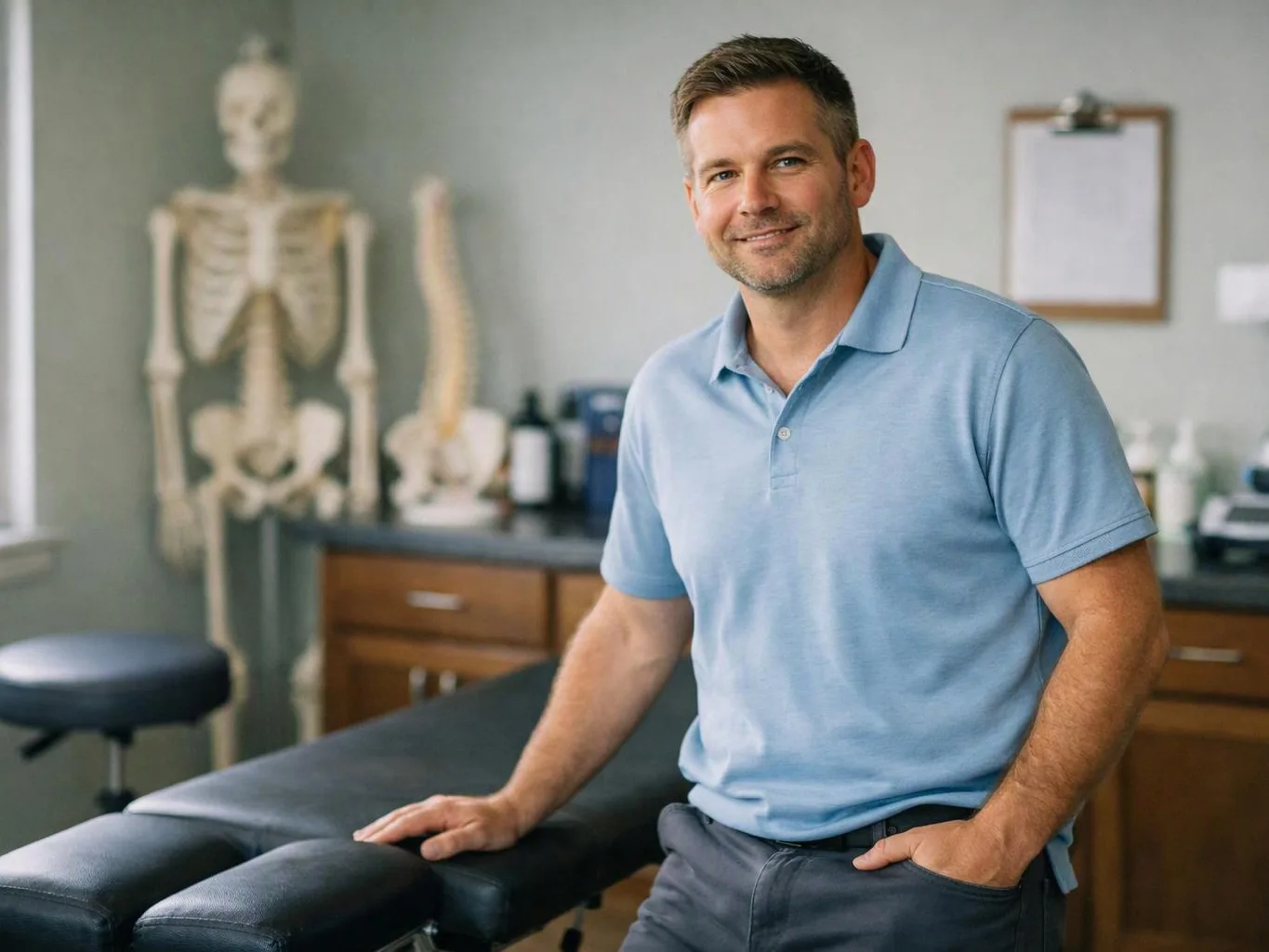
A smiling man in a light blue polo sits on a treatment table in a medical exam room

Service Overview

Auto Accident Injury Treatment is care that assesses and addresses musculoskeletal symptoms after a vehicle collision.

  • It differs from general wellness care because the evaluation focuses on collision history, injury symptoms, movement limits, and treatment planning.
  • Advanced Injury Care Clinic provides this care for Berry Hill and surrounding Nashville-area communities.

How we approach collision-related pain

Match care to the injury picture

The exam considers symptoms, movement, health history, and personal goals before treatment begins. This service is the wrong fit for symptoms that need urgent medical care or a different clinical specialty.

Use more than one care method

Chiropractic adjustments are one option. Depending on the assessment, our team may also use spinal decompression, soft tissue therapy, exercises, or rehabilitative care.

Build a plan around daily life

Your lifestyle and movement goals shape the plan. We explain the findings and give clear guidance at every step.

Work with licensed chiropractic care

Our licensed chiropractor provides injury-focused chiropractic care and explains which options may suit your condition.

When this service is the right fit

A driver may feel little discomfort right after a collision, then notice neck stiffness or headaches later. Our team checks the health history, movement, and affected areas, then decides whether chiropractic care fits or whether another medical evaluation is needed.

Process

How we assess and treat collision-related symptoms

1

Record the collision and health history

The new patient intake covers the accident, prior health concerns, current symptoms, and daily activities that feel harder.

2

Complete the health history and exam

Our team checks movement, posture, tender areas, and related symptoms. X-rays may be used if clinically indicated.

3

Explain the report of findings

The report of findings connects the exam with your concerns and explains whether chiropractic care fits the situation.

4

Set the personalized treatment plan

The plan may include chiropractic adjustments, spinal decompression, soft tissue techniques, therapeutic exercises, or rehabilitative care.

5

Review progress and adjust care

A progress re-examination helps review your response and decide whether the care plan needs to change.

What this care helps you decide after a collision

A focused assessment helps connect your symptoms with the collision and your current movement limits.

Personalized care plans give you clear guidance about which treatments may fit your condition.

Therapeutic exercises and rehabilitative care support safer movement as your needs change.

A documented health history gives the care team useful information for future visits.

Care close to home can make it easier to keep appointments around work, family, and daily tasks.

What collision injury care includes for your appointment

Advanced Injury Care Clinic provides comprehensive Auto Accident Injury Treatment in Berry Hill. Here's what you get:

  • A new patient intake records your health history, accident details, symptoms, and care goals.
  • A physical exam checks movement, tender areas, posture, and other signs related to musculoskeletal injury.
  • A report of findings explains what the assessment shows and what care may fit your needs.
  • A personalized treatment plan connects recommended care with your condition, lifestyle, and recovery goals.
  • Treatment may include chiropractic adjustments, spinal decompression, soft tissue techniques, therapeutic exercises, or rehabilitative care.
  • A progress re-examination helps review how your condition responds to care.

Choosing the next step after a collision

This table compares common care decisions based on the symptoms and findings discussed during an assessment.

Care decisionWhen it fitsWhat happens next
Chiropractic evaluationMusculoskeletal symptoms such as neck pain, back pain, whiplash, or limited movementHealth history, exam, findings, and a personalized care plan
Medical evaluationSevere, unusual, or concerning symptoms outside chiropractic careMedical assessment before or alongside any other care
Follow-up progress reviewA care plan is already in place and symptoms need reviewRe-examination and possible adjustment of the plan

The Advanced Injury Care Clinic Standard

  • Personalized Care
  • Thorough Evaluations
  • Clear Explanations
  • Respectful Environment

Questions about care after a vehicle collision

When should I seek auto accident injury treatment for delayed pain?

Delayed pain after a collision should be assessed when neck pain, back pain, headaches, stiffness, or reduced movement appears or continues. Our team records when symptoms began and checks how they affect movement. Severe or unusual symptoms need medical attention beyond chiropractic care, while musculoskeletal concerns may fit an injury-focused chiropractic evaluation.

What should be ready before treatment starts?

Accident details, health records, imaging reports, and a list of current symptoms should be ready before treatment starts.

  • Note when each symptom began.
  • List medicines and prior injuries.
  • Describe work or daily tasks affected.

These details help our team complete the intake and shape the assessment.

Which condition changes the time needed for an injury assessment?

The number and severity of symptoms change the time needed for an injury assessment. Neck pain with headaches, back pain with sciatica, or several affected areas may require more discussion during the intake and exam. Our team reviews the findings before setting the care plan, so the visit reflects your condition.

What should I ask before agreeing to care?

The care plan, recommended methods, expected follow-up, and signs that call for medical care are key questions to ask first. Our team explains the report of findings and why a method may fit your condition. Ask how adjustments, spinal decompression, exercises, or soft tissue therapy relate to your goals.

How does the first visit address an auto accident injury?

The first visit reviews the collision history, health background, symptoms, movement, and affected areas. The health history and exam guide the report of findings, and X-rays may be considered if clinically indicated. Our team then discusses a personalized treatment plan that may include adjustments, exercises, or rehabilitative care.

Why can whiplash cause pain after the crash?

Whiplash can cause pain after the crash because the neck experiences a sudden force that may affect muscles and joints. Our team checks neck movement, tenderness, headaches, and related symptoms during the evaluation. Individual response differs, so the care plan follows the findings rather than a fixed treatment choice.

Auto Accident Injury Treatment in Other Areas

Contact

Discuss collision injury care in Berry Hill

Get a clear assessment of what is working, what hurts, and which care options fit your next step. Advanced Injury Care Clinic offers free consultations for auto accident injury treatment in Berry Hill and nearby communities.

A black foam roller, folded beige towel, two blue massage balls, and a gray resistance band sit on a wooden surface

The health and wellness information on this website is for general informational purposes only and is not medical advice. It does not create a provider-patient relationship. Always consult a qualified licensed provider in Hermitage, Tennessee, United States about your specific condition before making care decisions. Individual results vary.

(615) 265-0412