What conditions may applied kinesiology address?
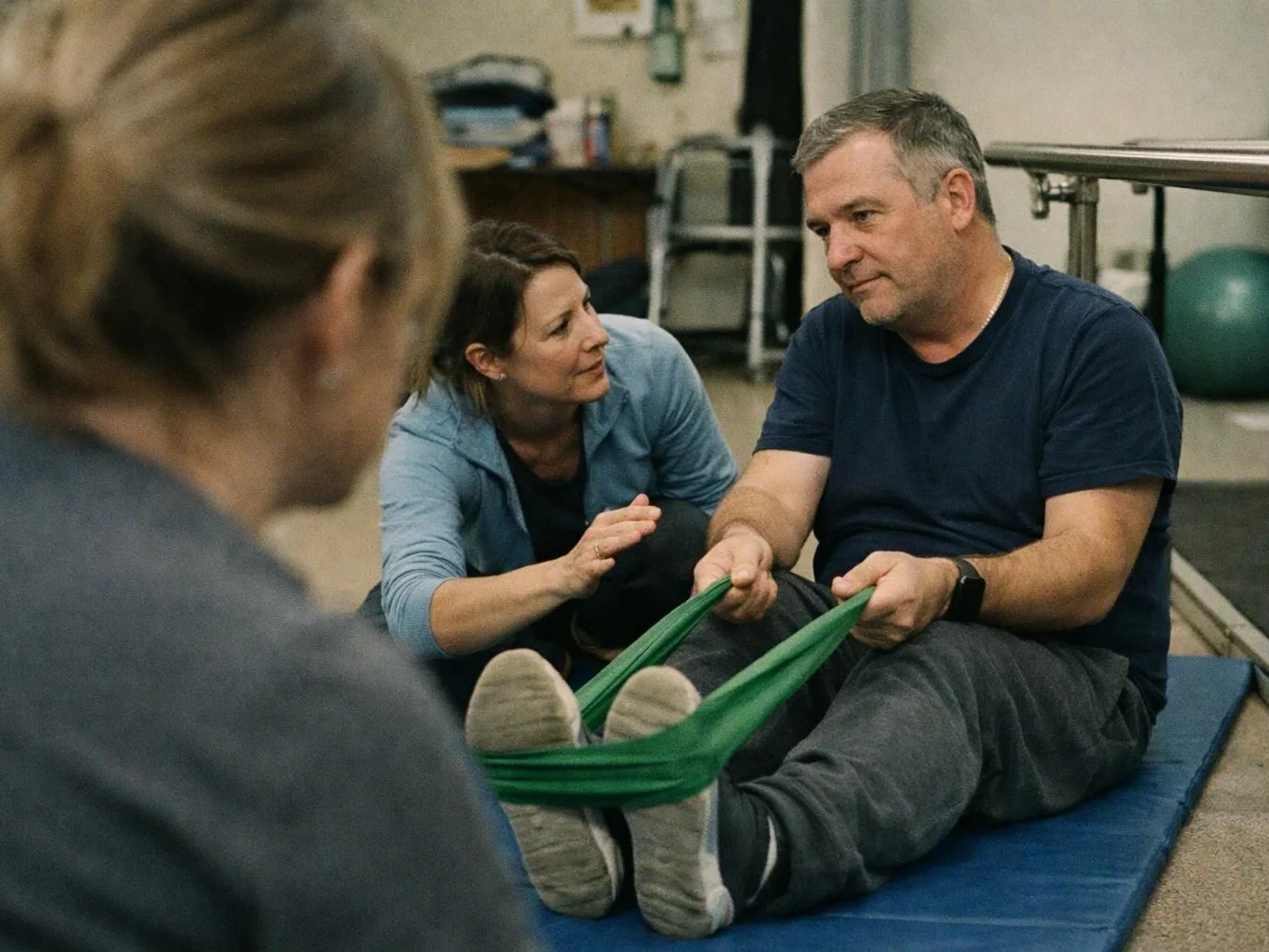
Joint stiffness, muscle weakness, balance issues, back pain, neck pain, and chronic pain may be addressed through applied kinesiology care. The assessment connects movement findings with your symptoms and medical history. It may also help guide care after whiplash, a workplace injury, a slip, or a fall. Results vary, so our team explains whether chiropractic treatment fits your situation.
How does Advanced Injury Care Clinic provide this service?
Advanced Injury Care Clinic provides applied kinesiology through a clinical review of symptoms, injury history, muscle function, and joint movement. Our chiropractic and medical team explains the findings before recommending care. The plan may include chiropractic treatment, further testing, or another medical step when the symptoms call for it. Patients receive clear treatment plan explanations throughout the process.
Which warning signs mean I need medical care first?
Severe, sudden, or unexplained symptoms need medical evaluation before chiropractic care. New weakness, major loss of balance, or symptoms after a serious injury deserve prompt attention. Our team reviews your history and symptoms during intake, but applied kinesiology doesn't replace emergency medical care. Share all new or worsening concerns before treatment begins.
What should I bring to my first consultation for Applied Kinesiology?
Your injury history, symptom notes, medical records, and medication list can help the first consultation. Include details about car accidents, workplace injuries, slips and falls, and earlier testing. Patients should also note which movements affect pain or balance. Our team uses that information with the clinical examination when discussing possible care.
When is this assessment a better fit than an adjustment alone?
An assessment may be a better fit when pain appears with weakness, balance changes, or an unclear movement pattern. An adjustment focuses on joint motion, while applied kinesiology adds hands-on review of muscle function and movement. Our team decides what fits after reviewing your symptoms and history. Individual response differs, so care is adjusted to the findings.
Why might imaging be discussed before treatment?
Imaging may be discussed when symptoms or the examination suggest that more information is needed. X-rays can be considered when clinically indicated, but they aren't required for every patient. Our team explains why testing is recommended and how the result could affect the treatment plan. Patients can ask questions before agreeing to a diagnostic step.
How does this care fit an accident injury claim?
Accident injury care includes symptom evaluation, condition documentation, and treatment planning. Our team records the injury history and current findings, then explains the recommended care. Patients may also receive help with practical personal injury concerns, including referrals to local attorneys when appropriate. Legal advice comes from an attorney, not from the clinical assessment.