Spinal Decompression vs. Chiropractic Rehabilitation for a Herniated Disc
Herniated disc treatment compares spinal decompression and chiropractic rehabilitation by symptoms, examination findings, treatment tolerance, and recovery goals. Spinal decompression focuses on pressure and irritation, while rehabilitation builds movement and support. Advanced Injury Care Clinic uses this framework to match care with your needs.
Request an EstimateOptions at a Glance
Both options are forms of conservative spine care. The right choice depends on how your symptoms behave and what function you need to regain.
- Spinal decompression therapy may suit disc-related pain with radiating symptoms that respond to unloading.
- Chiropractic rehabilitation may suit movement limits, weakness, and reduced confidence during daily activities.
How Spinal Decompression and Chiropractic Rehabilitation Differ
Spinal decompression therapy uses a carefully adjusted unloading approach to reduce stress around a herniated disc. The goal is to calm nerve irritation and support pain relief when symptoms involve a spinal nerve.
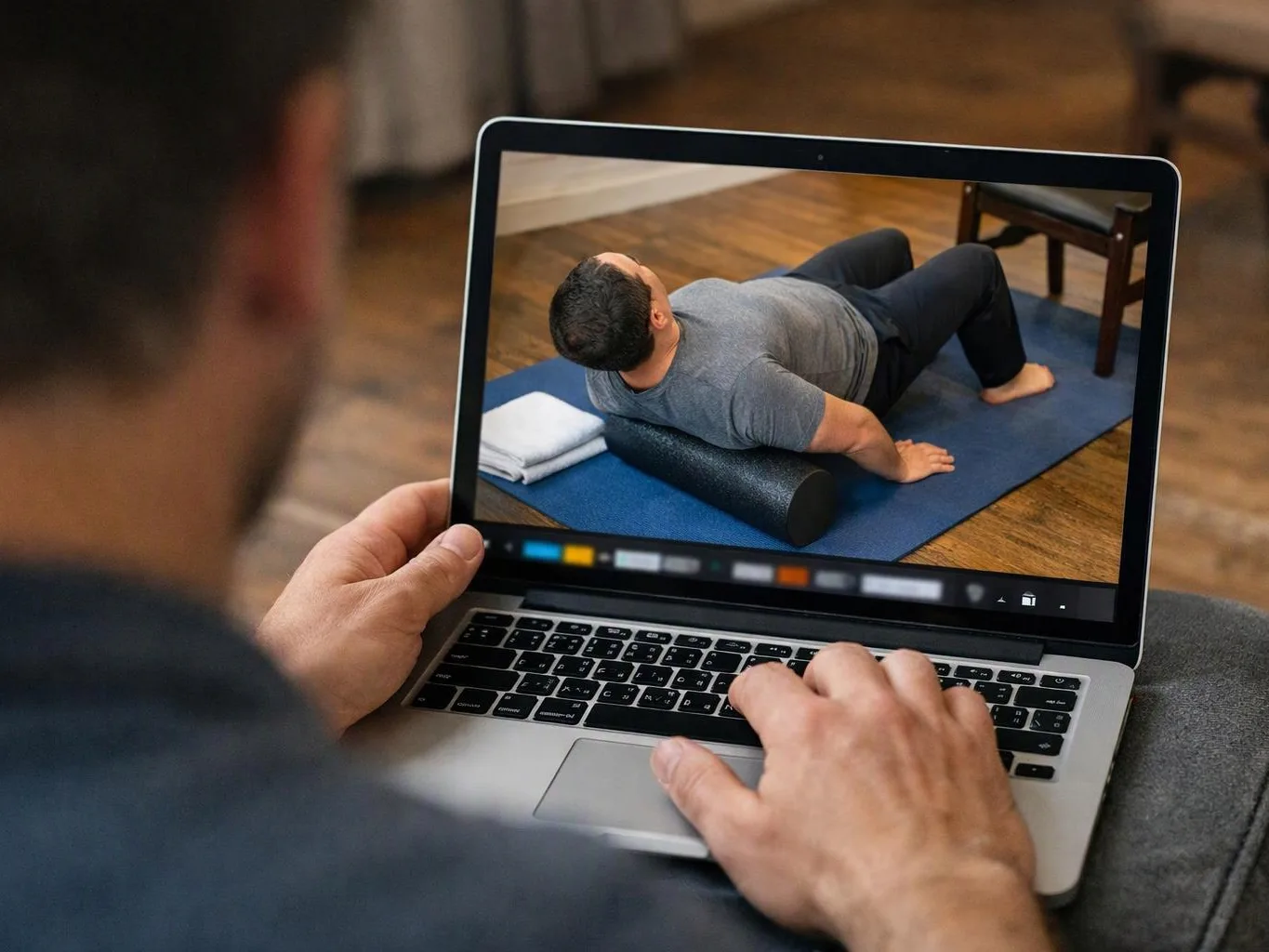
Chiropractic rehabilitation combines hands-on care with therapeutic exercise. The goal is to improve mobility, movement control, strength, and functional recovery.
A disc bulge or disc herniation can cause low back pain, neck pain, numbness, tingling, or radiating pain. Our clinical assessment helps us decide which approach your body can tolerate.
Spinal Decompression vs. Chiropractic Rehabilitation at a Glance
Neither option is best for every herniated disc; the better fit depends on symptoms, examination findings, irritability, and recovery goals.
Cost and treatment timing also depend on the plan we build after assessment. Relative differences can help you understand the choices without treating one method as universally better.
| Factor | Spinal Decompression | Chiropractic Rehabilitation | Decision Point |
|---|---|---|---|
| Treatment goals | Reduce unloading-related stress and nerve irritation. | Improve mobility, strength, and movement tolerance. | Which problem limits function most? |
| Treatment approach | Mechanical traction and adjusted decompression. | Hands-on care and progressive exercise. | What does your examination support? |
| Cost drivers | Decompression services, visit frequency, and plan complexity. | Exercise coaching, hands-on care, visit frequency, and plan complexity. | What services does the plan require? |
| Treatment timeline | Depends on symptom response and tolerance. | Depends on movement progress and exercise tolerance. | How does function change during follow-up? |
| Maintenance | May focus on symptom response and activity changes. | May focus on exercise, posture, and movement control. | What habits support lasting function? |
| Best-fit patient | A patient with disc-related irritation who tolerates unloading. | A patient who needs progressive movement and daily function training. | What are the main symptoms and goals? |
What Spinal Decompression Can Offer
Spinal decompression therapy may help us test whether reduced loading improves your symptoms. We adjust the approach according to symptom tolerance and examination findings.
Spinal decompression isn’t the same as a chiropractic adjustment. Decompression uses controlled unloading, while an adjustment uses a hands-on technique to influence joint movement.
When Spinal Decompression May Fit Best
Spinal decompression may fit patients whose symptoms suggest disc-related irritation and who tolerate a carefully adjusted unloading approach.
Radiating leg pain or radiating arm pain can point toward irritation near a lumbar or cervical nerve root. We also consider the location of disc-related pain, changes with posture, and the presence of neurologic symptoms.
Clinical screening comes first. We monitor symptom response and stop or change the approach when treatment tolerance is poor.
What Chiropractic Rehabilitation Can Offer
Chiropractic rehabilitation uses hands-on care and therapeutic exercise to restore useful movement. The plan changes as your strength and movement tolerance improve.
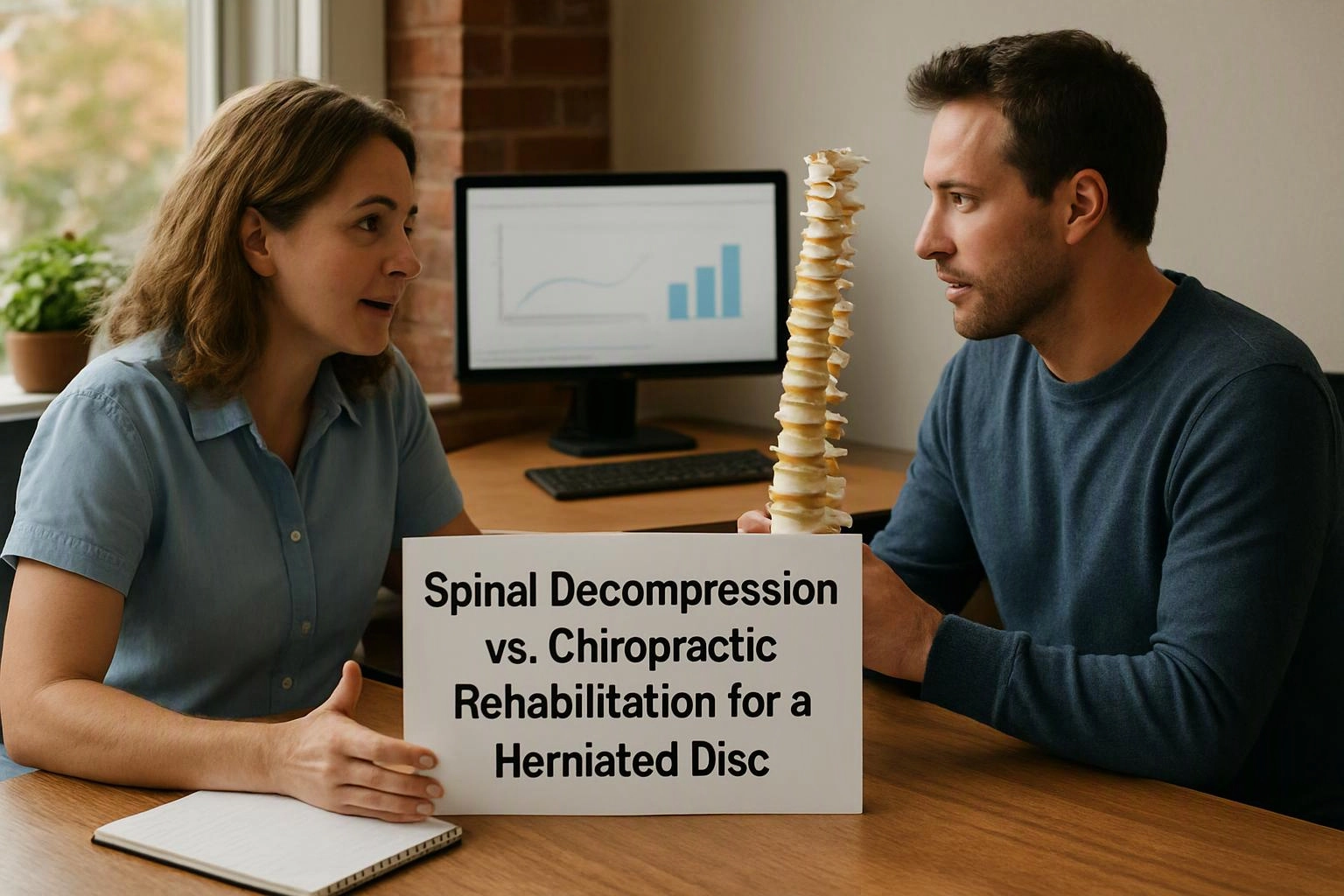
Rehabilitation may be used with or without decompression. We match exercise demands to your current symptom tolerance.
When Chiropractic Rehabilitation May Fit Best
Chiropractic rehabilitation may fit patients who need progressive exercise, movement coaching, and hands-on care for daily function.
Therapeutic exercise can help when movement limitations affect walking, lifting, sitting, or other daily activities. We scale each exercise to your strength, coordination, and symptom response.
Rehabilitation is also useful when the main goal is functional recovery. Our team tracks movement quality and tolerance, not only pain relief.
How We Choose Between Decompression and Rehabilitation
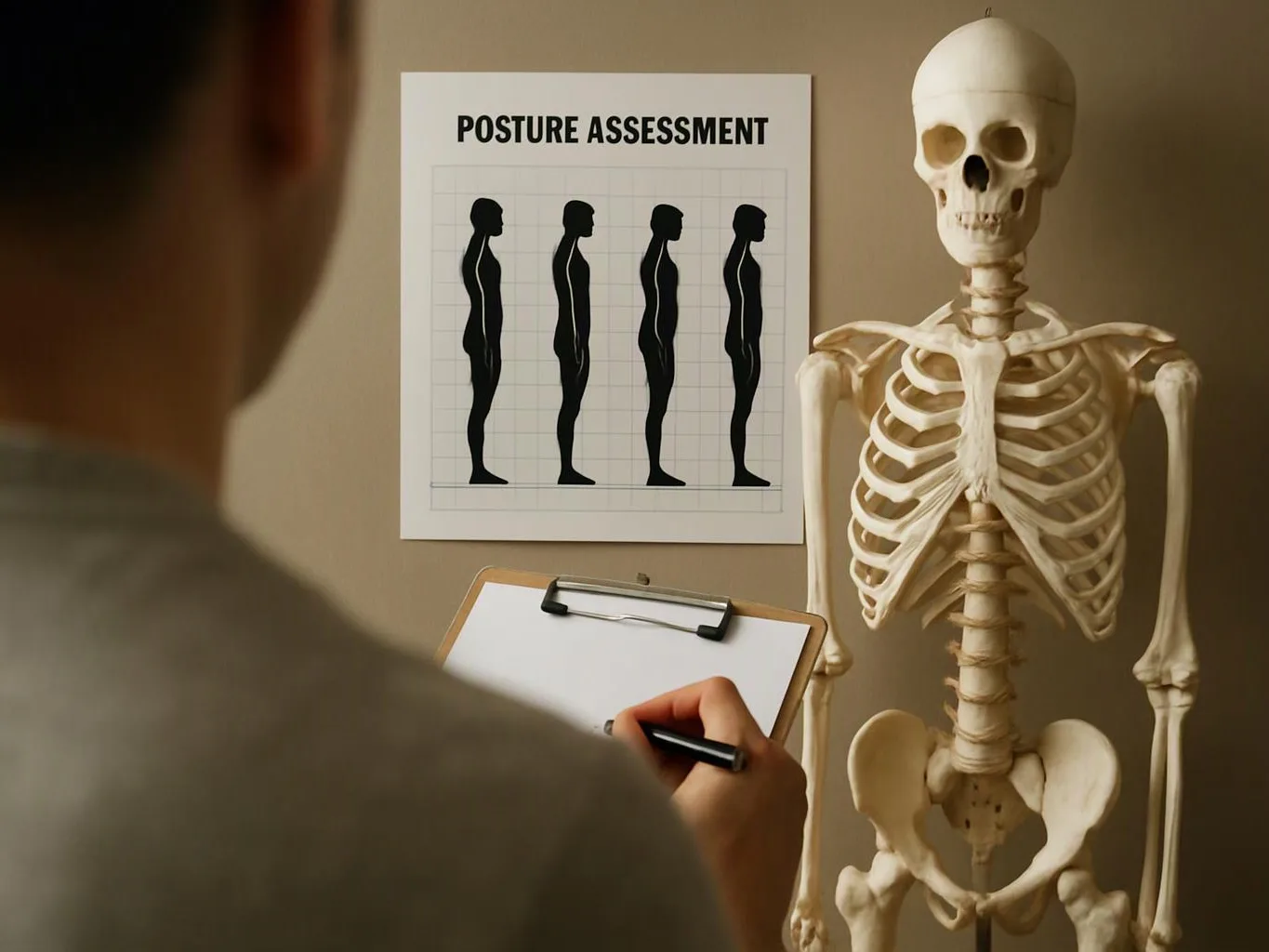
Our clinical assessment combines your symptoms with physical findings and treatment tolerance. We use the results to build a focused treatment plan.
What Changes the Cost of Herniated Disc Care
The cost depends on the examination findings, selected services, visit frequency, and care plan; we explain the plan and provide .
Spinal decompression therapy may involve different services than a rehabilitation plan. Therapeutic exercise, hands-on care, clinical complexity, and follow-up needs can also change the overall cost.
We explain what the treatment plan includes before care begins. You can request an exact quote through our Herniated Disc Treatment service page.
Warning Signs That Need Medical Evaluation
Progressive weakness, new bowel or bladder changes, or numbness in the saddle area require prompt medical evaluation.
Severe or worsening symptoms also need medical attention, especially when they affect walking or normal function. We use neurologic screening to identify concerns that need medical care beyond conservative treatment.
Do not delay evaluation when symptoms change quickly. Contact appropriate medical services for urgent concerns.
How to Start a Herniated Disc Treatment Plan
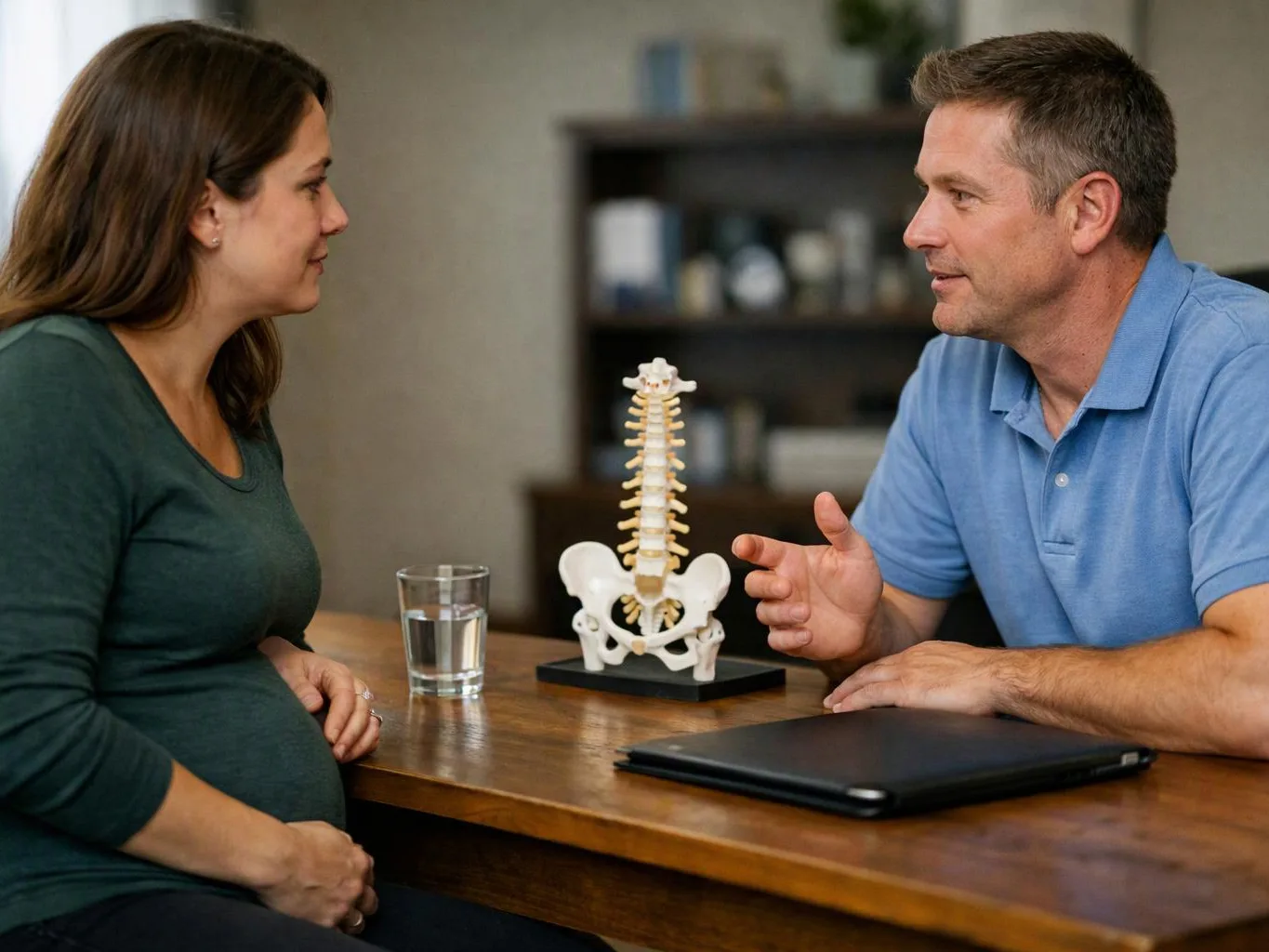
Starting care begins with an initial consultation that connects your symptoms with your treatment goals. We then use follow-up findings to refine the plan.
Our team can help you compare your options through Herniated Disc Treatment at Advanced Injury Care Clinic.
Questions About Herniated Disc Care Choices
Is spinal decompression the same as a chiropractic adjustment?
Spinal decompression isn’t the same as a chiropractic adjustment. Decompression uses controlled unloading, while an adjustment uses a hands-on technique to influence joint movement. Advanced Injury Care Clinic selects the approach after screening your symptoms and treatment tolerance.
Can chiropractic rehabilitation help a herniated disc without decompression?
Yes, chiropractic rehabilitation can help a herniated disc without decompression when examination findings support exercise and movement-based care. Therapeutic exercise, mobility training, posture work, and hands-on care can support strength and daily function.
Can spinal decompression and therapeutic exercise be used together?
Yes, spinal decompression and therapeutic exercise can be used together when both approaches match the examination findings. Decompression may address symptom irritability, while exercise builds movement control and support.
What symptoms suggest that a herniated disc needs urgent medical care?
Progressive weakness, new loss of bowel or bladder control, saddle numbness, or severe worsening symptoms suggest that a herniated disc needs prompt medical evaluation. These signs can indicate serious neurologic involvement.
Start Your Herniated Disc Care Plan
Herniated disc care begins with a clear clinical assessment and a plan matched to your symptoms. Advanced Injury Care Clinic can explain whether decompression, rehabilitation, or both fit your goals.
Contact Advanced Injury Care Clinic to discuss your next step.
Related Resources
Uneven Shoulders or Hips: Signs That May Prompt a Scoliosis Evaluation
Brand vs BrandChiropractic Visit Cost Factors: Exams, Imaging, and Follow-Up Care
Brand vs BrandChiropractic Insurance Coverage: Questions to Ask Before Booking
What's RequiredA Parent’s Checklist for Discussing a Child’s Musculoskeletal Concerns