A Parent’s Checklist for Discussing a Child’s Musculoskeletal Concerns
Pediatric chiropractic evaluation may help when a child has ongoing movement, posture, or musculoskeletal concerns that need a careful assessment. Advanced Injury Care Clinic reviews the child’s history, symptoms, movement, and safety needs while directing urgent or medical concerns to appropriate care.
Request an Estimate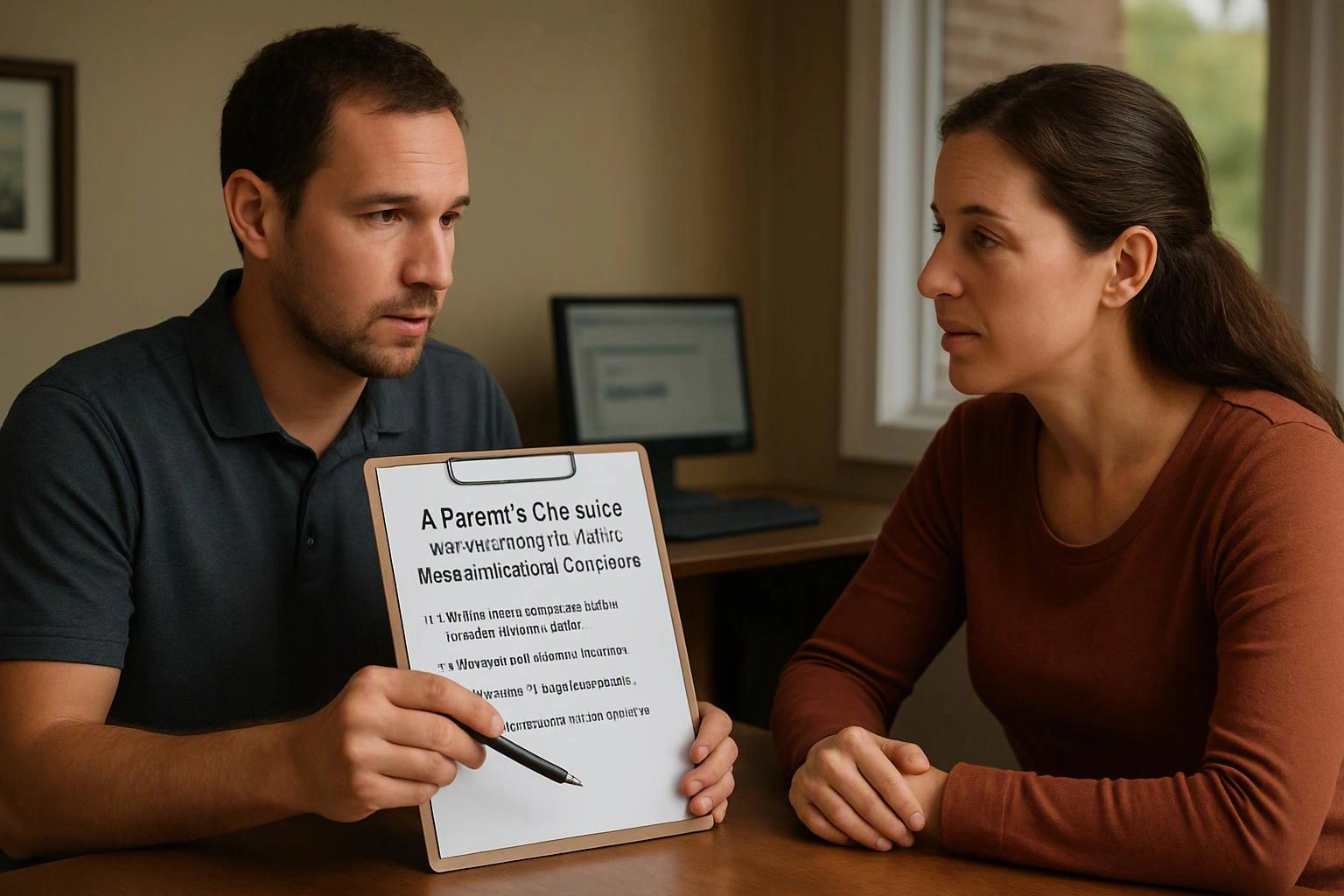
When Should Parents Consider Pediatric Chiropractic Evaluation?
Pediatric chiropractic evaluation may help when a child has persistent or recurring movement, posture, or musculoskeletal concerns that need an individualized assessment.
Parents may notice back pain, neck pain, joint discomfort, or a posture change. A child may also avoid an activity, move differently, or report pain after sports activity.
Our team reviews the child’s symptoms and daily movement before discussing care. Learn more about our Pediatric Chiropractic Care approach.
When Should a Pediatrician Review Symptoms First?
A pediatrician should review symptoms first when pain follows a significant childhood injury or appears with illness, marked swelling, weakness, numbness, or other concerning changes.
Medical evaluation can help identify problems that need diagnosis or treatment outside conservative musculoskeletal care. We support that decision and can coordinate a referral when the child’s symptoms require medical attention.
Parents should share the full symptom history, including fever, changes in behavior, and any loss of normal function.
What Warning Signs Need Prompt Medical Attention?
Red flags need prompt medical attention because they may point to a serious injury or another urgent health concern.
Parents should seek urgent medical care when these signs appear. We can review non-urgent musculoskeletal concerns after urgent needs receive proper attention.
How Do Pediatricians and Chiropractors Fit Into the Decision?
Pediatricians and chiropractors serve different roles when a child has pain or movement concerns. The right starting point depends on the symptoms, injury history, and warning signs.
| Care setting | Main role | When it fits |
|---|---|---|
| Pediatrician | Medical evaluation and diagnosis | Illness, major injury, swelling, weakness, numbness, or other red flags |
| Chiropractor | Musculoskeletal assessment and conservative care planning | Ongoing movement, posture, or joint concerns that are appropriate for evaluation |
| Referral pathway | Connects the child with needed medical care | Symptoms fall outside the scope of pediatric chiropractic care |
Our team keeps the child’s safety at the center of the decision. We refer for medical evaluation when the findings call for it.
What Should Parents Do Before the Evaluation?
A parent checklist helps organize useful details before the child’s visit. Clear notes can help our team understand the concern and plan the next step.
Parents can also note what improves or worsens the symptoms. We use those details to guide a careful pediatric assessment.
What Happens During a Pediatric Chiropractic Evaluation?
A pediatric chiropractic evaluation begins with questions about the child’s health, symptoms, and daily activities. We explain each part of the visit in clear language.
Our approach focuses on a child’s comfort, safety, and ability to understand what is happening. We do not treat a child based on a label alone.
How Can Parents Support Their Child After the Evaluation?
Parent guidance helps a child follow the care plan and report changes clearly. Follow-up care also helps our team reassess the child’s progress.
Parents should not push through worsening pain or new neurological symptoms. We can adjust the care discussion or support a referral when the child’s needs change.
What Should Parents Tell the Chiropractor?
Parents should tell the chiropractor when symptoms began, what changes them, how the child moves, and what medical care the child has already received.
Share the child’s daily activities, sports, sleep patterns, previous injuries, and health history. Details about a movement difficulty or posture change can help connect symptoms with daily demands.
Our team also needs to know about new symptoms, past diagnoses, and concerns the child may not express clearly.
What Should Parents Bring to the Evaluation?
Parents should bring relevant medical records, imaging reports, medication information, symptom notes, and questions about the child’s care.
Bring referral information when another healthcare team member recommended the visit. A simple symptom tracking note can also show patterns in pain, movement, sleep, or activity.
We review the available information with the parent and explain what it means for the next step.
How Does Advanced Injury Care Clinic Plan Pediatric Chiropractic Care?
Advanced Injury Care Clinic plans pediatric chiropractic care through an individualized assessment of the child’s symptoms, movement, posture, and health history.
We explain our findings in plain language and create a care plan that matches the child’s needs. When appropriate, our plan may include chiropractic rehabilitation, movement guidance, and follow-up care.
We also use referral pathways when a medical evaluation is more suitable. Parents can request a consultation so we can discuss the child’s concern and the available next step.
Contact Advanced Injury Care Clinic to arrange a discussion. Free Consultations
Questions About Child Musculoskeletal Concerns
Can a child see a chiropractor for back or neck pain?
Yes, a child can discuss back or neck pain through an age-appropriate evaluation when urgent warning signs are absent. Advanced Injury Care Clinic reviews the child’s history and movement before discussing suitable care or referral.
What age can a child have a pediatric chiropractic evaluation?
Children of different ages may be considered for a pediatric chiropractic evaluation when the visit fits their health needs and communication level. We adjust the history, movement review, and examination to the child.
Should parents ask the pediatrician before scheduling chiropractic care?
Parents should ask the pediatrician first when symptoms follow a serious injury or occur with fever, swelling, weakness, numbness, or severe pain. Non-urgent movement and posture concerns can also be discussed with our team for appropriate care routing.
Can a chiropractor refer a child for medical evaluation?
Yes, a chiropractor can recommend medical evaluation when a child’s symptoms or examination findings call for another level of care. Our team explains the concern and supports the appropriate referral pathway.
Related Resources
Uneven Shoulders or Hips: Signs That May Prompt a Scoliosis Evaluation
Brand vs BrandChiropractic Visit Cost Factors: Exams, Imaging, and Follow-Up Care
Brand vs BrandChiropractic Insurance Coverage: Questions to Ask Before Booking
What It SolvesWhen Back Pain May Need a Chiropractic Evaluation