Jaw Pain, Clicking, and Other TMJ Symptoms: When to Seek Help
TMJ-related jaw pain, clicking, muscle tension, headaches, and neck discomfort may be assessed through chiropractic evaluation and conservative musculoskeletal care. Advanced Injury Care Clinic checks the jaw, neck, and surrounding muscles to guide appropriate care and referral when needed.
Request an EstimateWhat Are Common TMJ Symptoms?
Common TMJ symptoms include jaw pain, clicking, stiffness, limited movement, facial pain, headaches, and related neck tension.
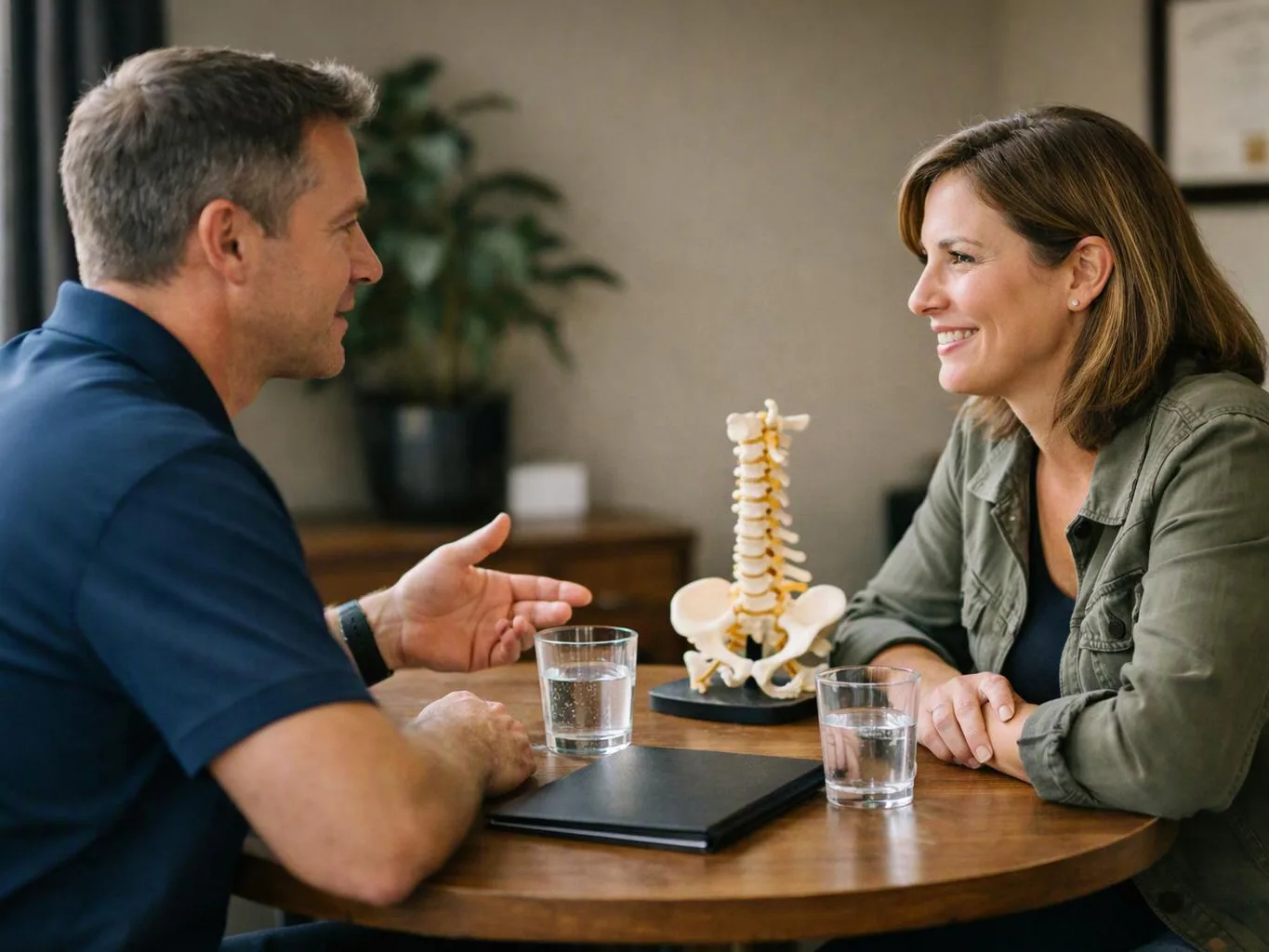
The temporomandibular joint connects the mandible to the skull and helps with chewing and speaking. Our team reviews these symptoms together because jaw and neck problems can overlap.
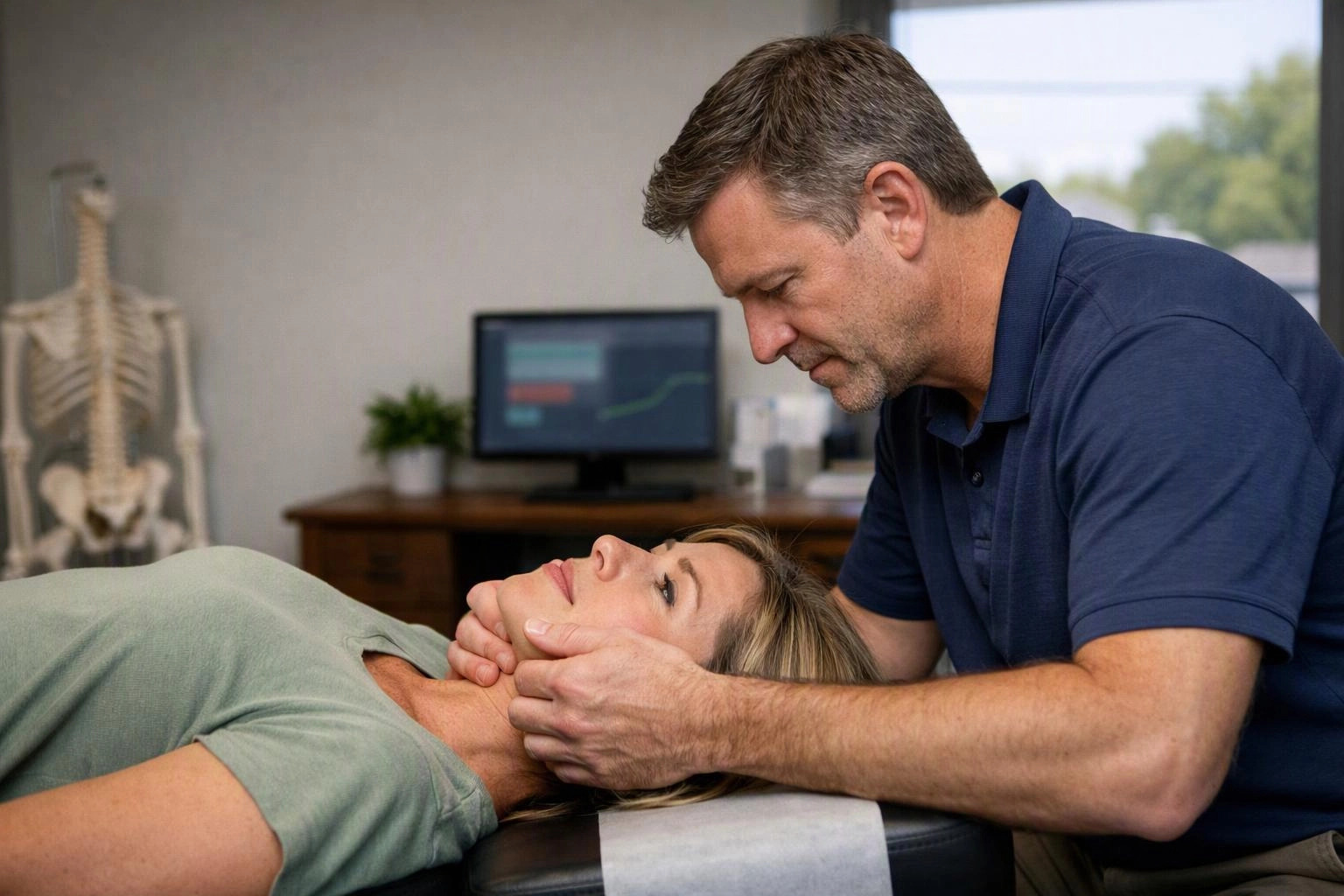
How Jaw Pain and Clicking Can Relate to the TMJ
Jaw pain and clicking can occur when the temporomandibular joint does not move smoothly. The jaw muscles, joint surfaces, and small disc inside the joint must work together during jaw movement.
Disc displacement can change how the joint moves and may create a clicking or popping sound. Joint irritation can also cause soreness, stiffness, or reduced jaw mobility.
Clicking without pain may not need treatment, but painful clicking deserves an assessment. We examine the movement pattern and surrounding muscles before recommending care.
Our TMJ Treatment approach focuses on the musculoskeletal factors we can assess, while we refer dental concerns when needed.
What Can Cause TMJ Symptoms?
TMJ symptoms can develop from stress on the jaw joint, chewing muscles, neck, or posture.
Our team asks about daily habits and recent injuries because the cause helps guide conservative care.
These causes can occur together and may increase muscle tension. We consider the full pattern instead of focusing only on the clicking sound.
How TMJ Symptoms Can Affect Headaches and Neck Pain
TMJ symptoms can contribute to tension headaches and neck pain when facial and neck muscles remain tight.
The jaw muscles connect with nearby facial muscles, while the neck muscles support the head and cervical spine. Strain in one area can create referred pain in another area.
Posture can also affect how the jaw, head, and neck move together. Our assessment looks at these links so we can separate jaw-related patterns from other causes.
Headache Treatment may be appropriate when headache symptoms have a musculoskeletal component. We also recommend dental or medical evaluation when the symptoms suggest another source.
When Should You Seek Help for TMJ Symptoms?
You should seek help when TMJ symptoms persist, worsen, limit jaw movement, or make eating and speaking difficult.
Persistent jaw pain can affect sleep, chewing, and daily comfort. We assess the jaw and neck when symptoms interfere with normal activities.
Jaw locking, difficulty opening the mouth, or difficulty chewing also deserves prompt attention. Facial swelling may point to a dental or medical cause that needs a different evaluation.
When Jaw Symptoms Need Prompt Medical or Dental Attention
Jaw symptoms need prompt medical or dental attention when they include facial swelling, fever, severe injury, or sudden loss of jaw movement.
Sudden inability to open or close the jaw can require urgent evaluation. Tooth pain, dental infection, and swelling may also need care from a dentist.
We can help identify signs that fall outside conservative musculoskeletal care. When appropriate, we make a medical referral or recommend dental evaluation before continuing TMJ care.
Can a Chiropractor Help With TMJ Symptoms?
Yes, chiropractic care may help TMJ symptoms linked to muscle tension, neck mechanics, and restricted movement after appropriate evaluation.
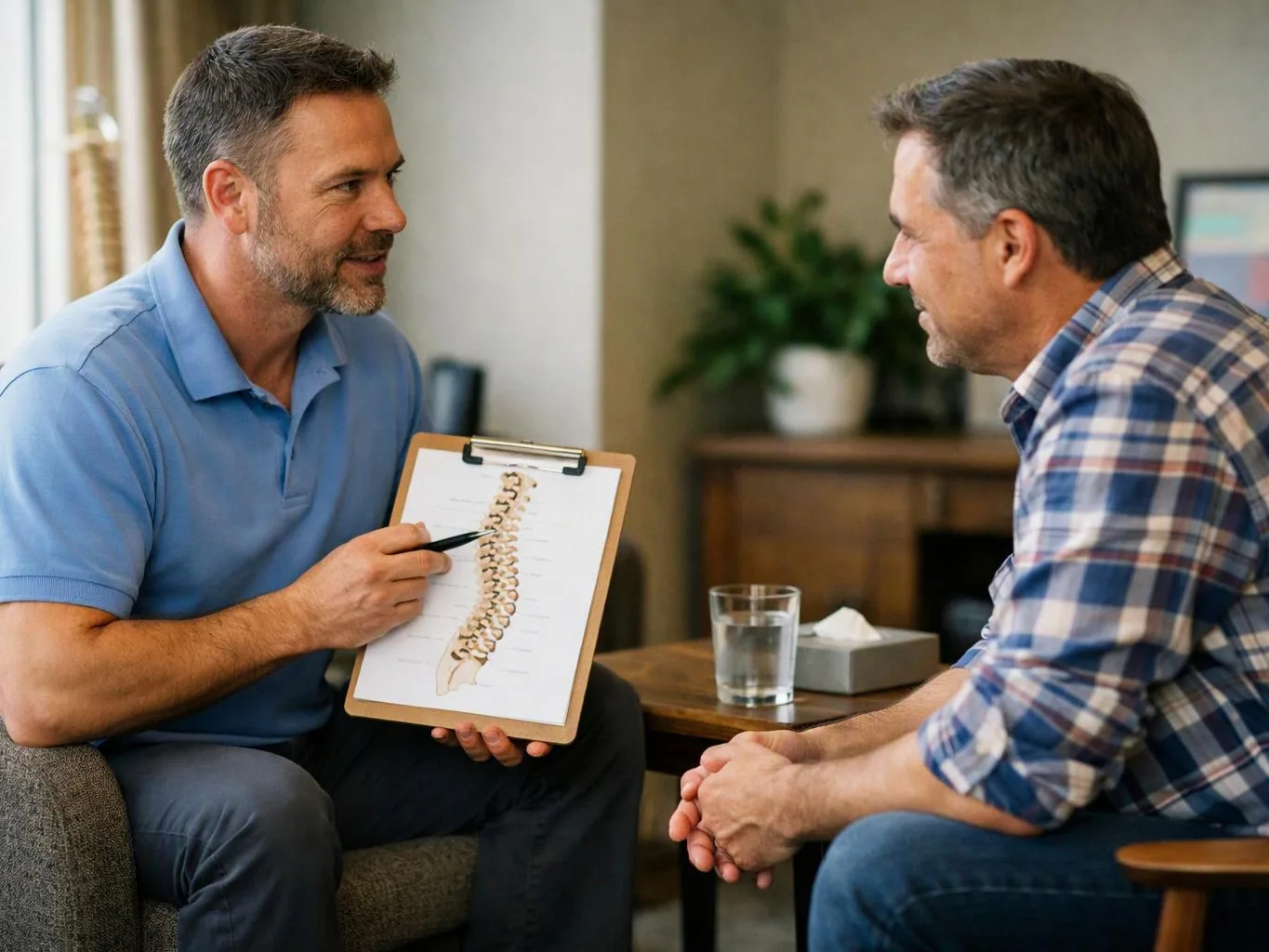
Our chiropractic evaluation reviews the jaw muscles, neck alignment, posture, and joint mobility. We use conservative care when the findings support a musculoskeletal cause.
Care may include soft tissue treatment, manual therapy, and mobility work for the jaw and neck. We do not treat dental infections or replace dental care for tooth-related problems.
What We Check During a TMJ Evaluation
A TMJ evaluation checks jaw range of motion, jaw tenderness, neck movement, muscle tension, posture, and symptom history.
We ask when symptoms began and what makes them better or worse. Our team observes how the jaw opens, closes, and moves from side to side.
We also check nearby neck muscles and posture for patterns that may add strain. These findings help us decide whether conservative care or referral is more appropriate.
How Our TMJ Care May Support Jaw and Neck Comfort
Our TMJ care may support jaw and neck comfort through manual therapy, soft tissue work, neck mobility, and jaw muscle relaxation.
We choose techniques based on your symptoms and examination findings. We may also provide home care guidance for relaxed jaw habits and posture.
TMJ Treatment is conservative and focused on improving comfort and movement. We monitor your response and adjust the care plan when needed.
What Can Help Prevent TMJ Symptoms From Getting Worse?
Simple habit changes can reduce stress on the jaw during a flare-up.
These steps don't replace an evaluation when symptoms persist or worsen. They can help limit extra strain while you arrange appropriate care.
We can discuss these habits during an evaluation and explain which changes fit your symptoms.
How We Plan Care for TMJ Symptoms
We plan TMJ care by reviewing your symptoms, examining jaw and neck movement, and tracking your progress.
This process helps us match care to the source and severity of your symptoms. It also helps identify concerns that need another type of evaluation.
What Does TMJ Care Cost?
TMJ care costs depend on the evaluation, treatment needs, and visit plan; we explain the recommended care and pricing before treatment.
The main cost drivers include the complexity of the symptoms, the findings from the TMJ evaluation, and the number of visits in the care plan. We provide clear details so you understand what each recommended visit includes.
Advanced Injury Care Clinic offers Free Consultations for people who want to discuss their symptoms and care options. Contact our team for an exact explanation of your recommended plan and pricing.
Questions About Jaw Pain, Clicking, and TMJ Symptoms
Should I see a dentist or chiropractor for TMJ symptoms?
Advanced Injury Care Clinic can assess TMJ symptoms linked to jaw muscles, neck mechanics, and movement. A dentist should assess tooth pain, dental infection, or other dental causes, while medical referral may be needed for swelling, fever, or severe injury.
Can TMJ symptoms go away on their own?
TMJ symptoms may settle when temporary muscle tension or jaw strain improves. Persistent, worsening, painful, or limiting symptoms should be assessed so the cause can guide care.
What should I avoid when my jaw is clicking or painful?
Avoid gum chewing, hard foods during painful flare-ups, and habits that keep the jaw clenched. Keep your jaw relaxed and arrange an evaluation if clicking comes with pain, locking, or limited movement.
Jaw pain, clicking, headaches, and neck tension can have overlapping causes. Our team can review your symptoms and explain the next appropriate step.
Contact Advanced Injury Care Clinic to discuss your TMJ concerns and available care options.
Get a Free EstimateRelated Resources
Chiropractic Care vs. Massage Therapy: Which Should You Book?
Brand vs BrandAuto Accident Chiropractic Care: What to Ask Before You Book
What's RequiredAfter a Car Accident: Symptoms to Watch For and What to Share at an Evaluation
When You Need ItSigns Poor Posture Is Causing Neck Pain and Headaches