Can postural correction relieve jaw pain after an accident?
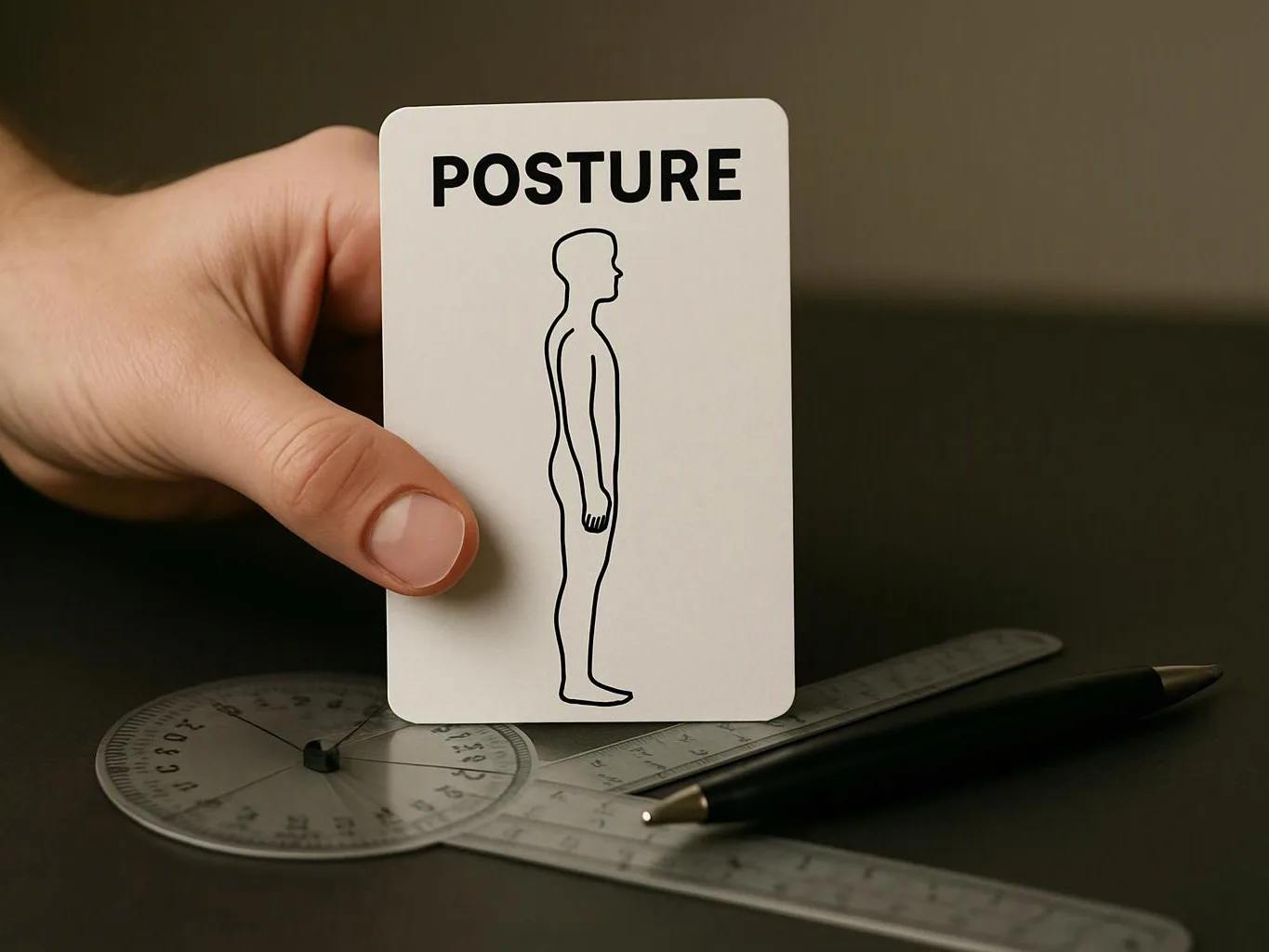
Postural correction may relieve jaw strain when posture and neck movement contribute to the symptoms. Advanced Injury Care Clinic reviews jaw motion, muscle tension, and injury history before recommending care. Jaw mobilization, muscle release, and movement exercises may be included. Results vary, and severe trauma or a locked jaw needs medical evaluation.
How does the first jaw care visit work?
The first visit reviews your symptoms, health history, injury history, and possible diagnostic testing. The medical team then discusses findings and explains a personalized treatment plan. Bring relevant medical records or imaging if you have them. You can also raise concerns about chewing, speaking, headaches, clicking, or neck pain.
Which symptoms make jaw treatment the wrong first step?
Severe swelling, trouble breathing, major facial trauma, or a locked jaw calls for prompt medical care first. TMJ treatment fits musculoskeletal pain and movement concerns after urgent risks receive attention. Our team can review related neck and jaw symptoms during a consultation, but we do not replace emergency evaluation for serious trauma.
What changes the cost of care for jaw muscle release?
The evaluation needs and recommended treatment plan are the main cost factors. Symptoms, injury history, related neck concerns, and the need for diagnostic testing can shape that plan. We discuss care during a free consultation before treatment is recommended. Ask our team what the planned evaluation includes and how the next steps are set.
When should I seek jaw care after whiplash?
Seek an evaluation when jaw pain, clicking, tension, headaches, or limited motion continues after whiplash. Early discussion helps connect jaw symptoms with neck movement and the injury history. Our team reviews those concerns and explains whether chiropractic care fits. New severe swelling, breathing trouble, or a locked jaw requires prompt medical attention.
Why does my jaw click without severe pain?
Jaw clicking without severe pain can still matter when movement becomes limited or the jaw starts locking. We review the pattern, jaw motion, nearby muscle tension, and related neck symptoms. That information helps determine whether movement exercises or other care may fit. Individual response differs, so the plan follows the evaluation.
How do jaw exercises fit an individualized plan?
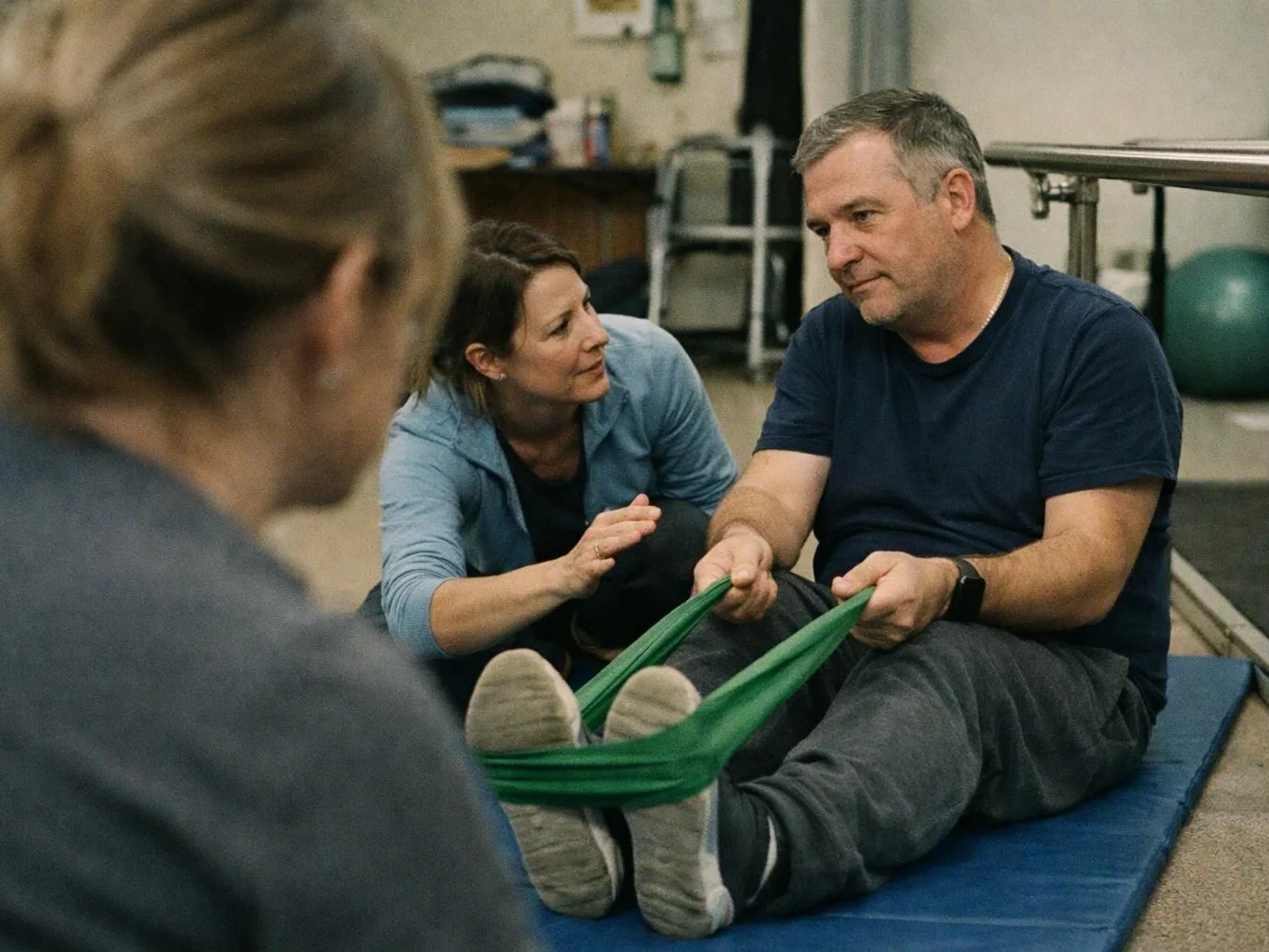
Movement exercises support controlled jaw motion between care visits when they fit the evaluation. Our team explains the purpose of each exercise and considers related neck pain, posture, and muscle tension. Exercises should follow the plan you receive. Stop and ask about sharp pain, new locking, or worsening symptoms.