What problems can soft tissue therapy address?
Muscle tension, trigger points, scar tissue, fascial restriction, and overuse injuries may respond to soft tissue therapy. Advanced Injury Care Clinic first reviews your history and movement. The plan may include hands-on work, therapeutic exercises, chiropractic adjustments, or rehabilitative care. Individual response differs, so the evaluation guides which options fit your symptoms.
How does a visit move from the first call to the last step?
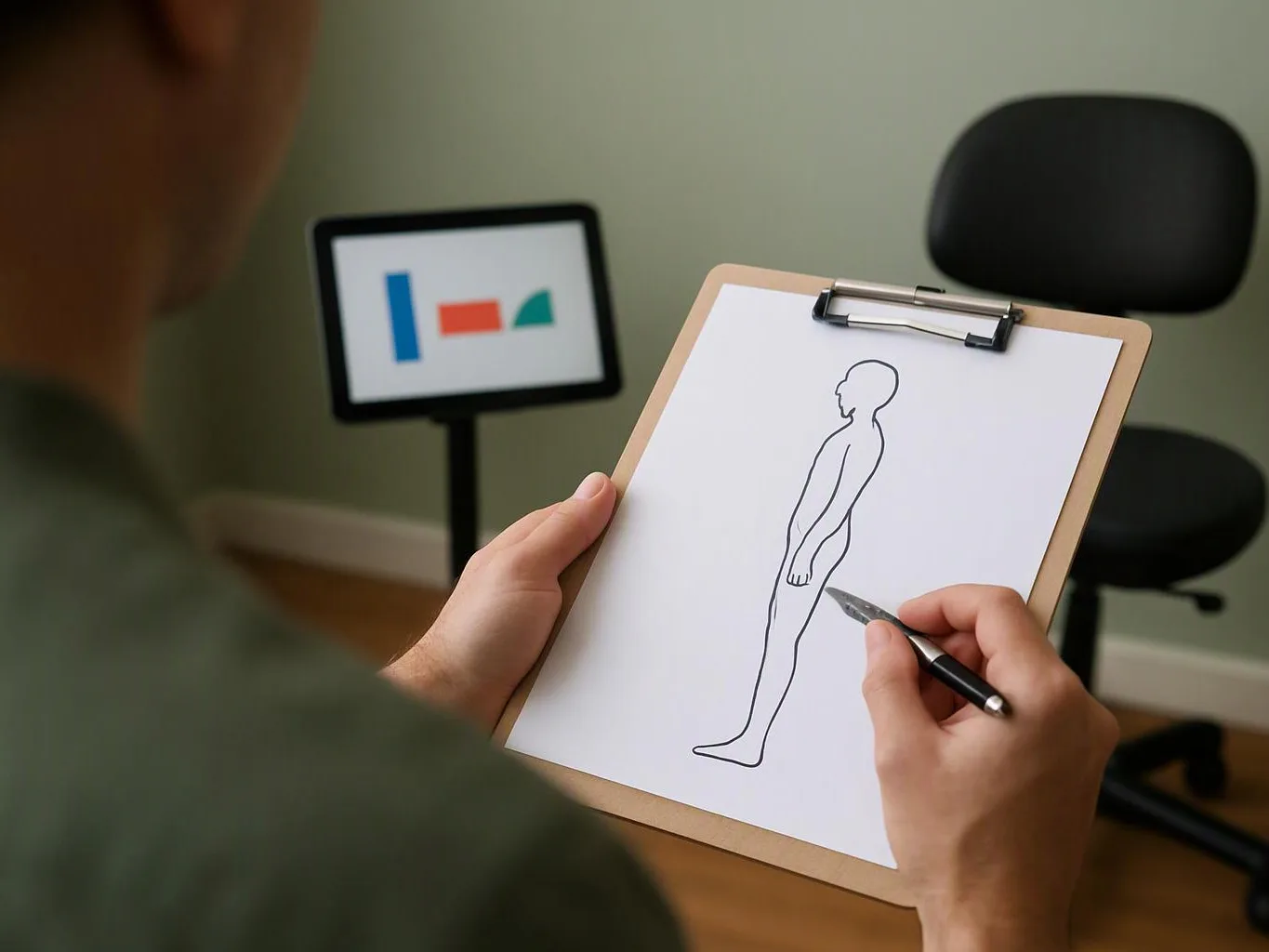
The visit moves from consultation and health history to an exam, treatment planning, hands-on care, and progress review. You explain your symptoms and goals first. Our team then checks movement and tissue response before recommending suitable methods. Follow-up discussion covers exercises, related care, and the next step in your plan.
Which part of the treatment changes how long a visit takes?
The evaluation and number of areas needing assessment can change the time needed for a visit. Symptoms involving scar tissue, restricted movement, or several painful areas may require more discussion and checking. We review the planned care with you before treatment. No fixed duration applies to every patient or condition.
How can I tell whether this care fits my symptoms?
Soft tissue therapy fits symptoms linked to muscles, connective tissue, tender points, or restricted movement after an evaluation. The health history and exam help separate those concerns from symptoms that need another type of assessment. Bring details about activity, injury, and pain changes. Our team then explains the safest care options.
What changes the cost of this type of care?
The evaluation, number of areas assessed, and related services in the care plan change the cost. A plan that includes exercises, adjustments, or rehabilitative care differs from hands-on work alone. Advanced Injury Care Clinic discusses those choices during a free consultation. You can ask what each recommended service covers before proceeding.
Can this care help after an auto accident injury?
Soft tissue therapy may support care for auto accident injuries when the evaluation finds muscle or connective tissue involvement. Whiplash, neck pain, and back pain can have different causes and need careful assessment. Our team reviews the injury history and movement before planning care. Individual response differs, and treatment choices follow the findings.
Which other care may support hands-on treatment?
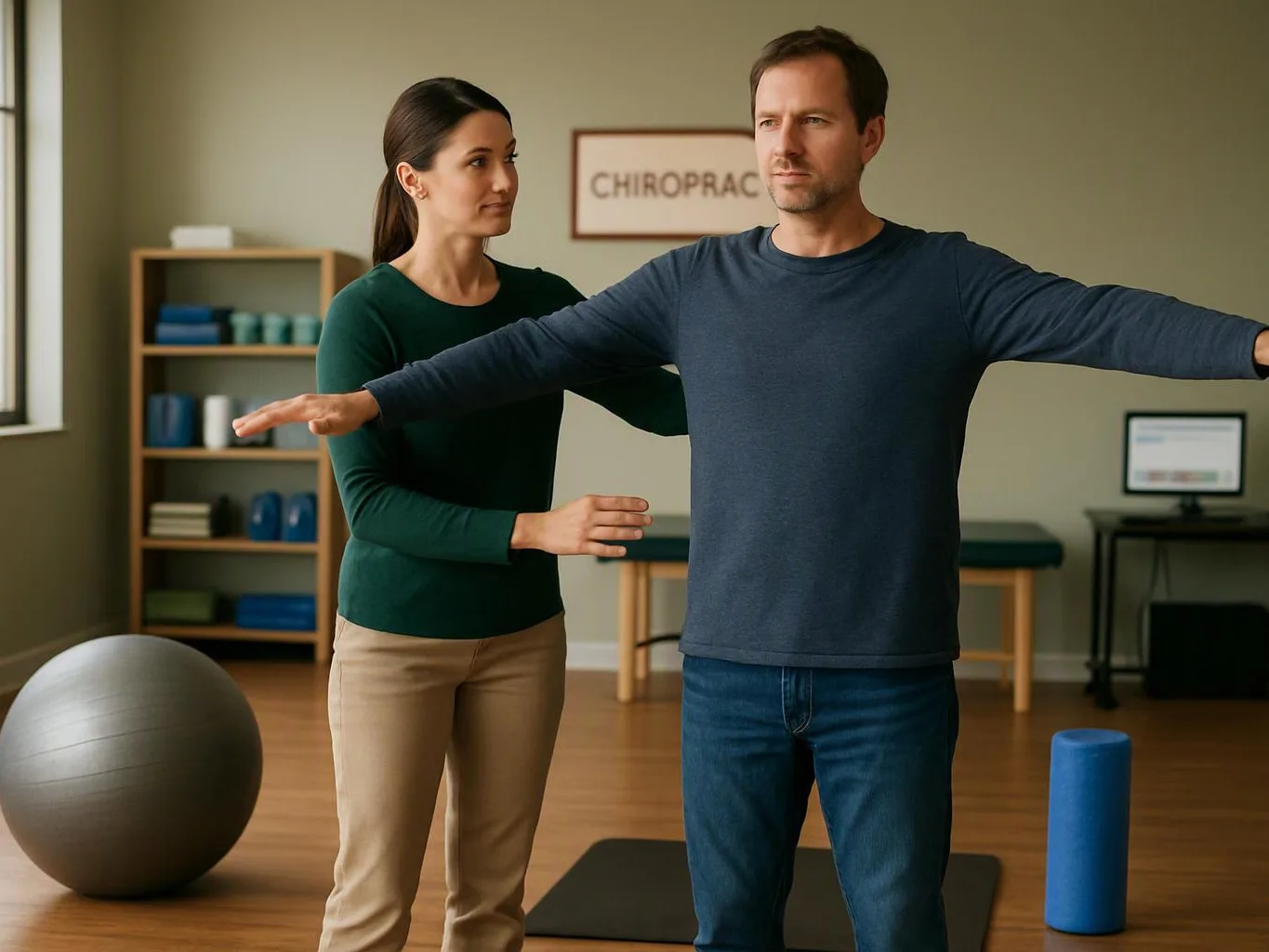
Therapeutic exercises, chiropractic adjustments, spinal decompression, and rehabilitative care may support hands-on treatment when the evaluation calls for them. Each option addresses a different part of movement or musculoskeletal function. Our team explains how the selected methods relate to your goals. The plan can be reviewed as your condition changes.