What treatment methods can relieve sciatica symptoms?
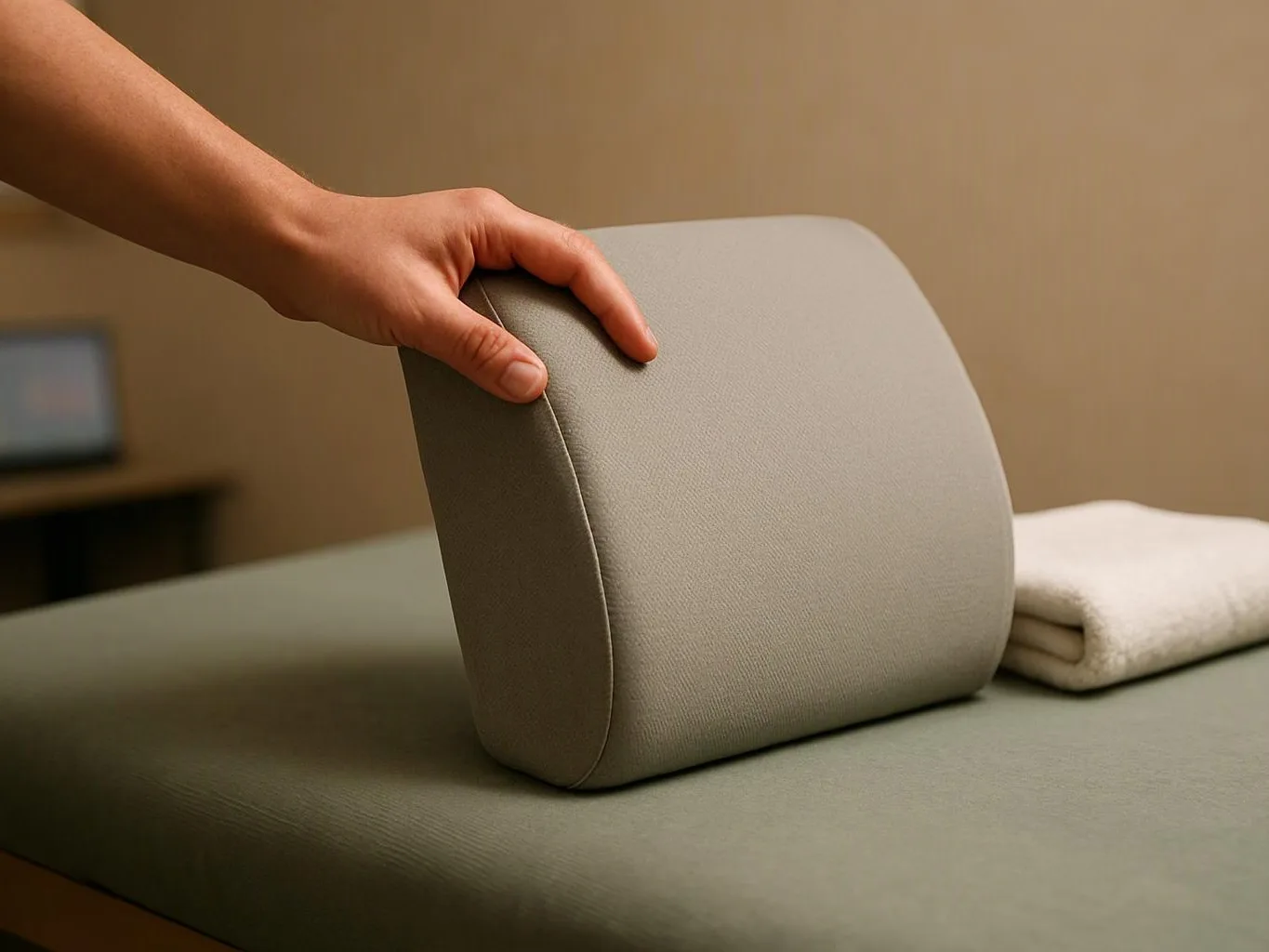
Soft tissue therapy can relieve some sciatica symptoms when muscle tension contributes to discomfort. Advanced Injury Care Clinic may also use spinal adjustments, stretching exercises, core strengthening, heat therapy, or spinal decompression. The exam guides the choice. Results vary, and care changes when symptoms or movement findings change.
How does a sciatica visit move from the first call to the last step?
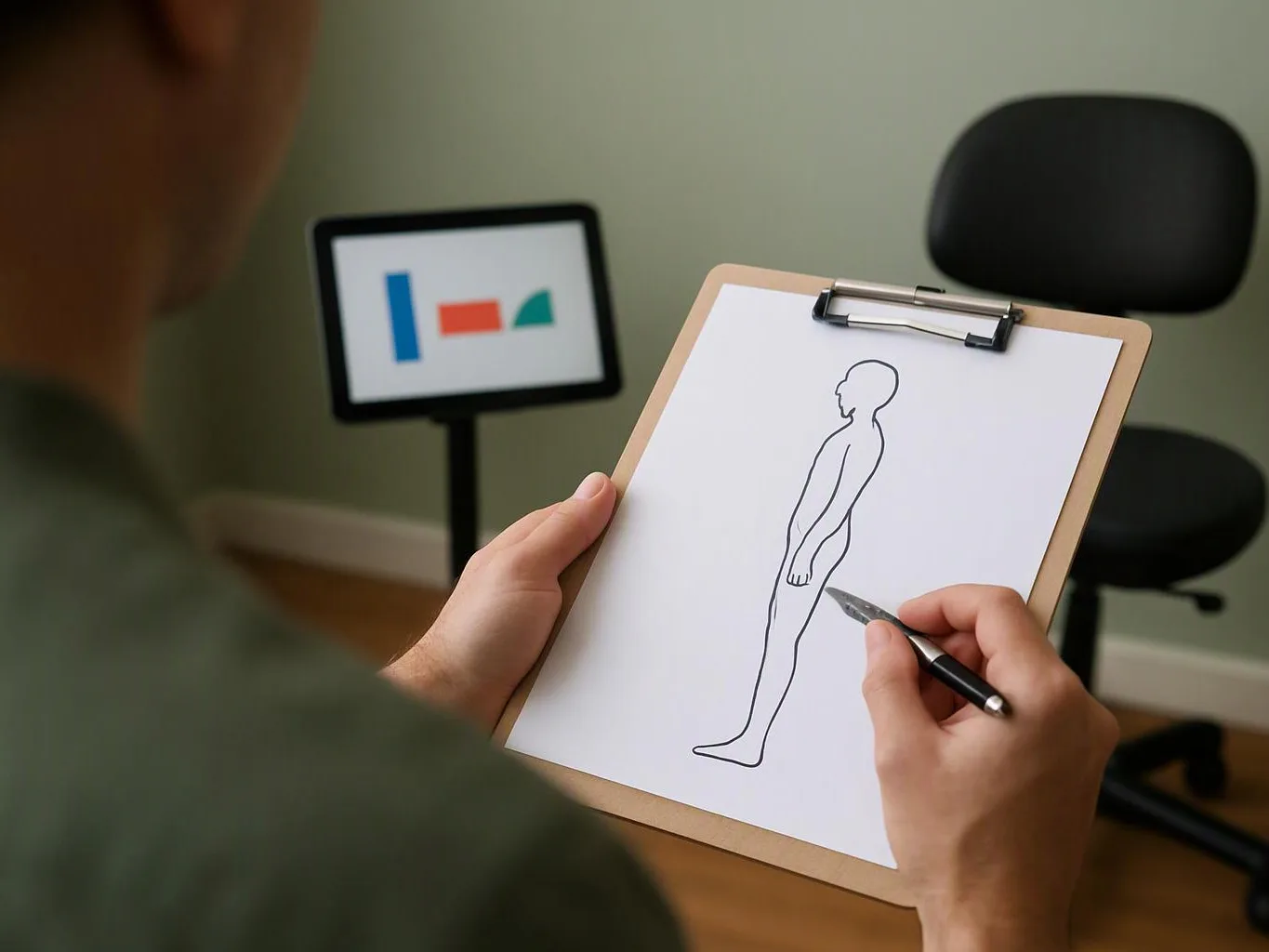
A sciatica visit moves from intake and examination to findings, care planning, treatment, and progress review. We first record your history and symptoms. Then we assess movement and discuss suitable methods. Follow-up checks help us adjust exercises, spinal care, or rehabilitative work as your needs change.
Which part of the care plan decides its scope?
The examination decides the scope of a sciatica care plan. Findings such as movement limits, tenderness, strength changes, and symptom location guide the methods we discuss. Your work, activity level, health history, and goals also shape the plan. We review these points before recommending care.
Which material changes how long sciatica care takes?
No treatment material determines the length of sciatica care. The evaluation, symptoms, movement limits, response to care, and goals shape the plan. Heat therapy and exercise tools can support care, but they do not set a fixed schedule. We review progress and adjust the plan when needed.
When should I ask about spinal decompression?
Spinal decompression is worth discussing when your symptoms and examination findings make it a suitable option. We review your pain pattern, movement, health history, and goals before recommending it. The method may be combined with exercises or other care, but no single treatment fits every patient.
Why does sciatica return after symptoms improve?
Sciatica can return when movement habits, muscle control, strain, or an underlying condition continues to affect the area. Our team reviews the activities linked to each flare and checks movement during follow-up. A care plan may include core work, stretching, and maintenance guidance to support daily function.
What should I bring to my first chiropractic appointment?
Your symptom history, medication list, medical records, and details about past injuries can help guide the first visit. Bring any imaging reports you already have, but do not delay care while searching for them. We complete a health history and exam before discussing a personalized plan.