Skip to content

Myofascial Release Therapy in Green Hill

Assessing movement limitations guides myofascial release therapy in Green Hill. Our licensed chiropractor offers Free Consultations and personalized care plans.

Upfront, Transparent PricingServing 23 CommunitiesMon-Fri: 9 am–7 pm, Sat: 9 am–2 pm, Sun: ClosedFast Scheduling

Quick Summary: myofascial release therapy in Green Hill, Tennessee

Myofascial Release Therapy in Green Hill is provided by Advanced Injury Care Clinic for soft tissue tension, movement limits, and related musculoskeletal concerns. Care includes an evaluation and an individualized plan for patients from Green Hill and nearby Nashville-area communities.

  • What we do: Advanced Injury Care Clinic provides Myofascial Release Therapy for patients in Green Hill, Tennessee, after a health history and movement assessment.
  • What is included: Soft tissue therapy, movement assessment, therapeutic exercise, posture review, and personalized treatment planning.
  • What you get: Myofascial Release Therapy helps patients work toward easier movement and better comfort during daily activity.

Why do movement limits keep happening after activity?

Movement limits may persist when soft tissue tension, joint restriction, posture, or an untreated injury affects normal motion. An assessment helps identify which factors need attention and whether myofascial release therapy fits the care plan.

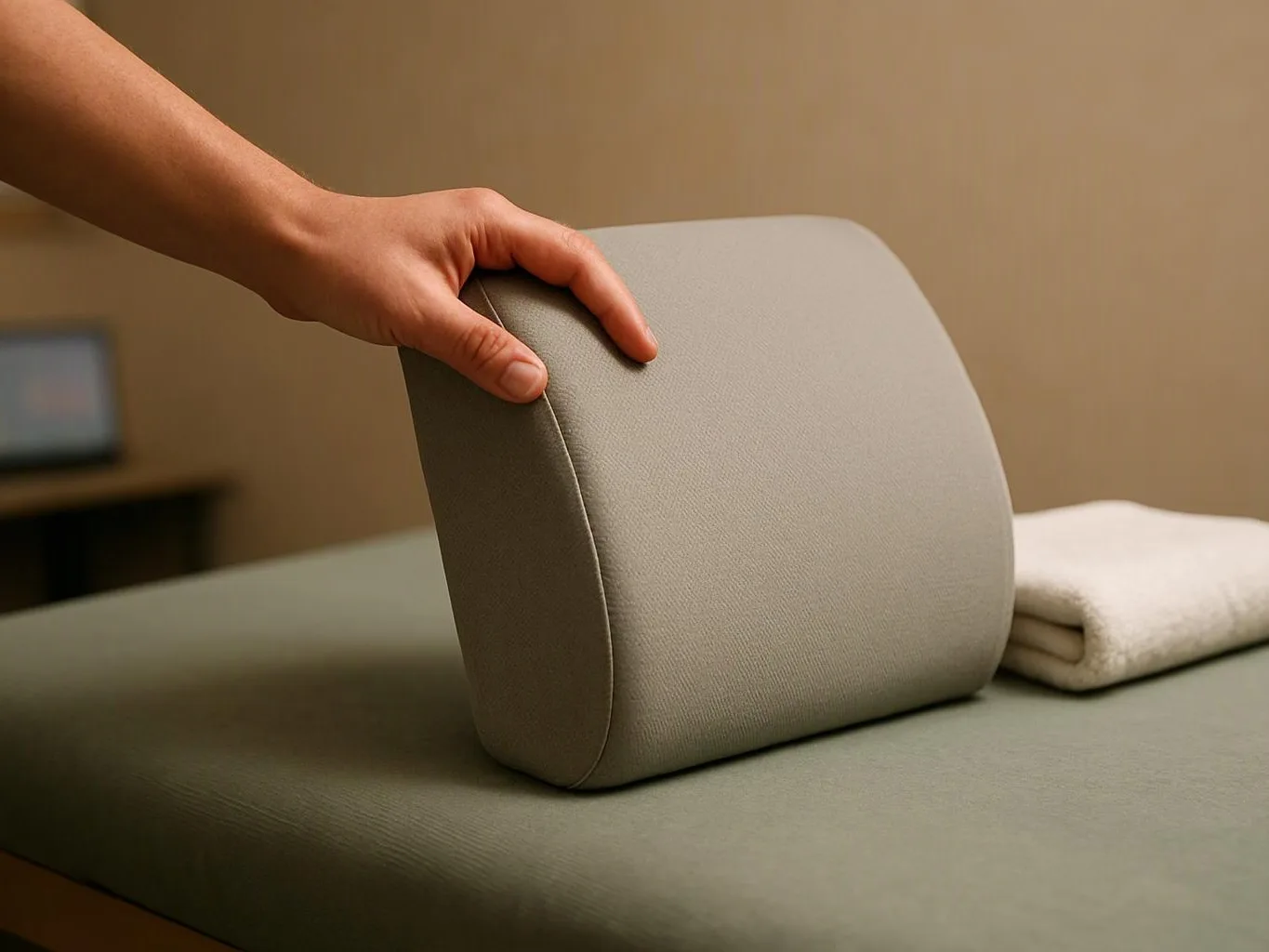
Myofascial Release Therapy for movement limits in Green Hill

Myofascial release therapy focuses on soft tissue that feels tight, tender, or restricted during movement. It may suit athletes, desk workers, and people who notice posture-related strain.

The first decision is fit. Our team reviews your symptoms, health history, movement, and goals before recommending hands-on care. The treatment may support comfort and mobility, but it isn't the right choice for every cause of pain.

Patients may also need chiropractic adjustments, spinal decompression, therapeutic exercises, or rehabilitative care. Advanced Injury Care Clinic helps connect those options to the findings from your evaluation.

  • Share where movement feels limited and which activities make it worse.
  • Bring relevant health information to the new patient intake.
  • Ask how soft tissue work fits with exercises or chiropractic care.
  • Discuss follow-up and self-care needs before treatment begins.
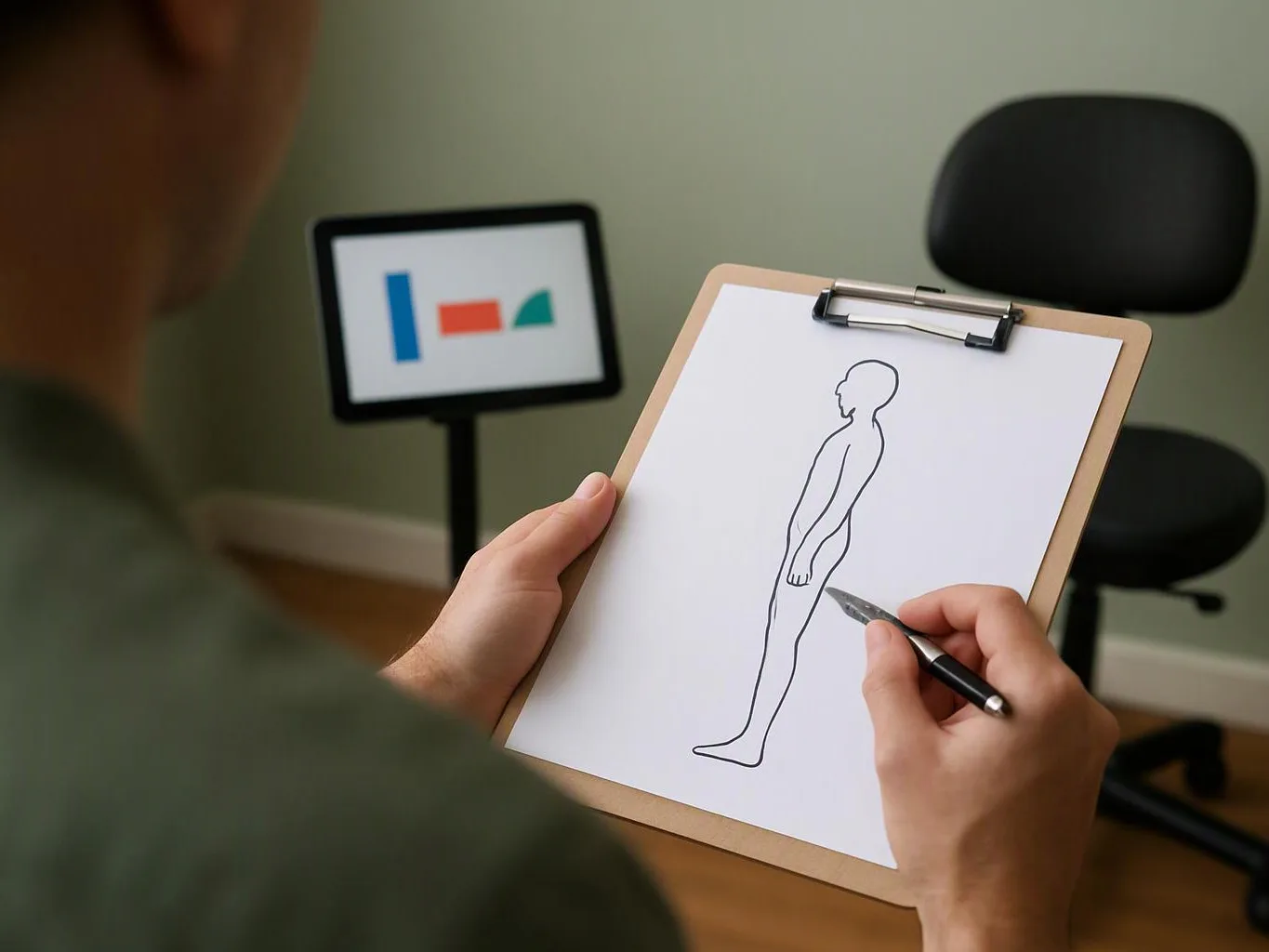
A therapist holds a clipboard with charts while speaking to a seated woman in a living room

Service Overview

Myofascial Release Therapy is a hands-on treatment that addresses tension in the fascia and nearby soft tissue.

  • Soft tissue therapy focuses on muscle and fascia, while chiropractic adjustments address joint motion when that care fits the exam.
  • Advanced Injury Care Clinic provides this care for patients in Green Hill and surrounding Nashville-area communities.

What myofascial release therapy includes

Advanced Injury Care Clinic provides comprehensive Myofascial Release Therapy in Green Hill. Here's what you get:

  • A health history and exam help us understand your movement limits and treatment goals.
  • Hands-on soft tissue work targets areas of tension identified during the assessment.
  • Movement checks help us compare comfort and range of motion during care.
  • Therapeutic exercises may support the changes made during treatment.
  • Your plan may include chiropractic adjustments or rehabilitative care when clinically appropriate.

What this soft tissue care may change

Myofascial release therapy may help you move with greater comfort during daily tasks.

Soft tissue work may reduce the sense of tightness around affected muscles and fascia.

Posture review can show how desk habits or repeated positions affect movement.

Exercise guidance may help you maintain mobility between visits.

Individual response differs, so the care plan changes with your findings and goals.

Process

How we plan and provide this hands-on care

1

Review your health history

The new patient intake covers your symptoms, injury history, daily activities, and care goals.

2

Check movement and soft tissue

We assess posture, range of motion, tenderness, and the movements that feel limited or uncomfortable.

3

Choose the treatment approach

The findings guide hands-on release, therapeutic exercises, chiropractic adjustments, or other suitable care.

4

Build follow-up guidance

We discuss home movement, self-care, and progress checks that support your plan.

How we approach this hands-on care

Assessment before hands-on treatment

Movement limits, posture, health history, and symptoms guide the plan before treatment starts. This licensed chiropractor approach helps match soft tissue work to the person, not just the painful area.

Care for active and seated routines

Athletes may need help with repeated strain, while desk workers may need posture and movement guidance. We connect treatment choices to the activities that shape each person's symptoms.

A clear limit for this service

Myofascial release therapy isn't the right job for every symptom or injury. Severe, changing, or unexplained symptoms need careful evaluation before hands-on care is selected.

How related care options differ

These options address different findings, so the assessment guides the choice.

Care optionMain focusWhen it may fit
Myofascial release therapyFascia and soft tissue tensionWhen tight tissue affects movement or comfort
Chiropractic adjustmentJoint motionWhen the exam supports adjustment care
Therapeutic exerciseStrength and movement practiceWhen ongoing mobility work supports the plan

The Advanced Injury Care Clinic Standard

  • Personalized Care
  • Thorough Evaluations
  • Clear Explanations
  • Respectful Environment

Questions about this soft tissue treatment

Who may benefit from myofascial release therapy?

Movement limitations may benefit from myofascial release therapy when soft tissue tension affects comfort or normal activity. Advanced Injury Care Clinic begins with an assessment to review posture, motion, symptoms, and goals. Athletes, desk workers, and people with posture-related strain may discuss this care during a consultation. Individual response differs, and the exam guides the treatment choice.

What should be checked before treatment is scheduled?

Health history and current symptoms should be checked before hands-on treatment is scheduled. The review covers prior injuries, medical concerns, movement limits, posture, and treatment goals. Our team uses those findings to decide whether soft tissue work fits the plan. Severe or unexplained symptoms need careful evaluation before treatment begins.

How does each stage of treatment fit together?

The care stages move from assessment to hands-on treatment and follow-up guidance.

  1. The intake records health history and goals.
  2. The exam checks movement, posture, and soft tissue tension.
  3. The plan selects suitable hands-on work and exercises.
  4. Follow-up reviews progress and ongoing self-care needs.

Our team explains each stage before it starts.

What does the clinician look at first?

The first review looks at your symptoms, movement, posture, health history, and daily activities. These details help connect a tight area with the movements that affect it. We may also consider back pain, neck pain, headaches, sciatica, or injury history. The findings guide the treatment plan.

Which care works with soft tissue treatment?

Therapeutic exercises often work well with soft tissue treatment when movement needs support between visits. Chiropractic adjustments, spinal decompression, or rehabilitative care may also fit some plans. Our team chooses services from the exam findings, symptoms, and goals. No single treatment fits every patient.

When is hands-on release the wrong choice?

Hands-on release is the wrong choice when symptoms need a different evaluation or when treatment could be unsafe. Sudden, severe, changing, or unexplained symptoms should be discussed before care. Our licensed chiropractor reviews the health history and exam findings first. That review may lead to another care approach.

Why might posture affect soft tissue tension?

Posture may affect soft tissue tension because repeated positions keep muscles and fascia under strain. Desk work can shape how the neck, shoulders, back, and hips move. We review posture alongside symptoms and daily habits. Exercises and care changes may then address the movement pattern linked to discomfort.
Contact

Discuss myofascial release therapy in Green Hill

Are tight muscles or limited movement affecting your routine? Contact Advanced Injury Care Clinic to request a Free Consultation and discuss an assessment for myofascial release therapy.

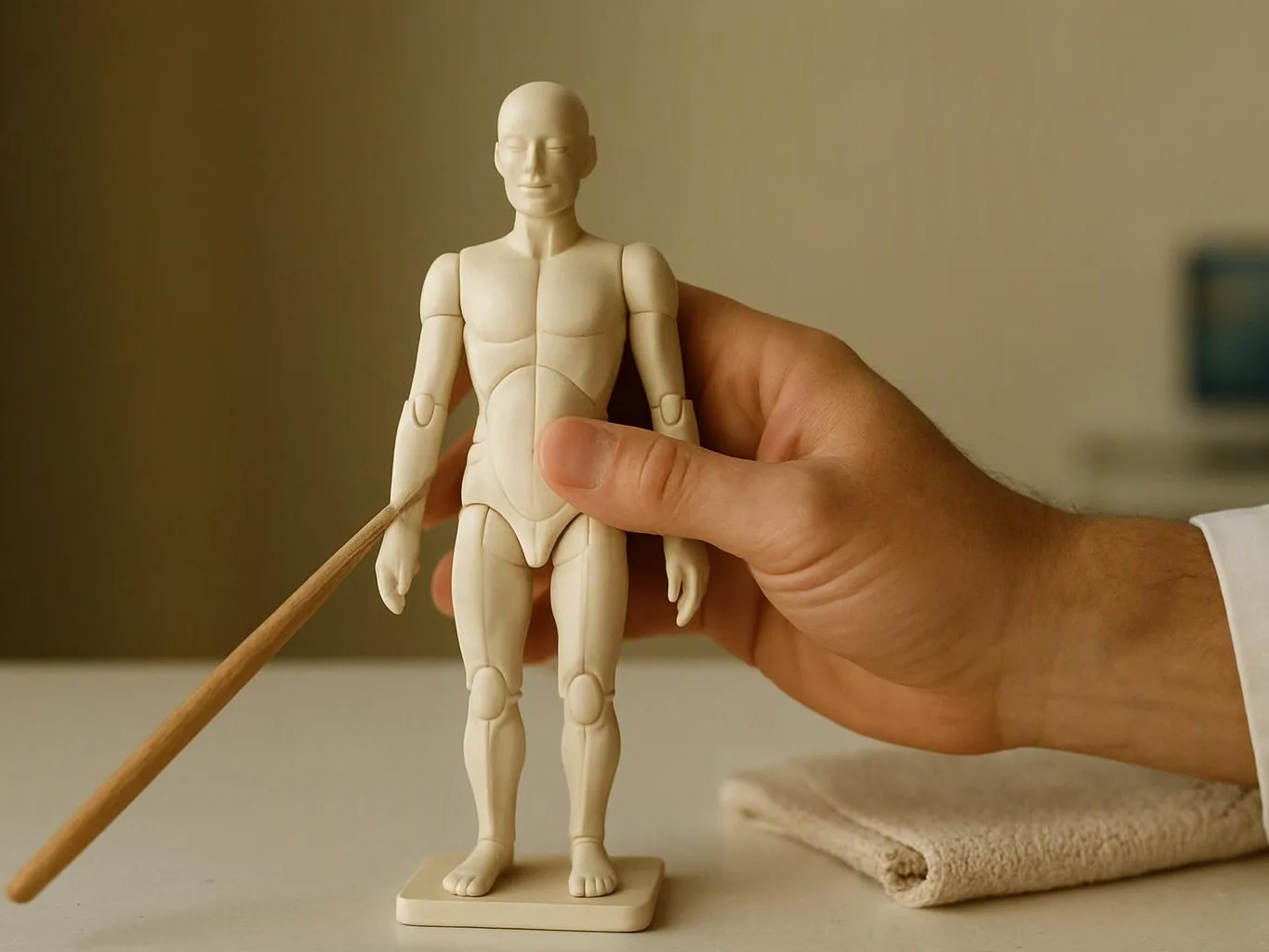
A hand holds a small wooden mannequin while a pointer touches its side on a table

The health and wellness information on this website is for general informational purposes only and is not medical advice. It does not create a provider-patient relationship. Always consult a qualified licensed provider in Hermitage, Tennessee, United States about your specific condition before making care decisions. Individual results vary.

(615) 265-0412