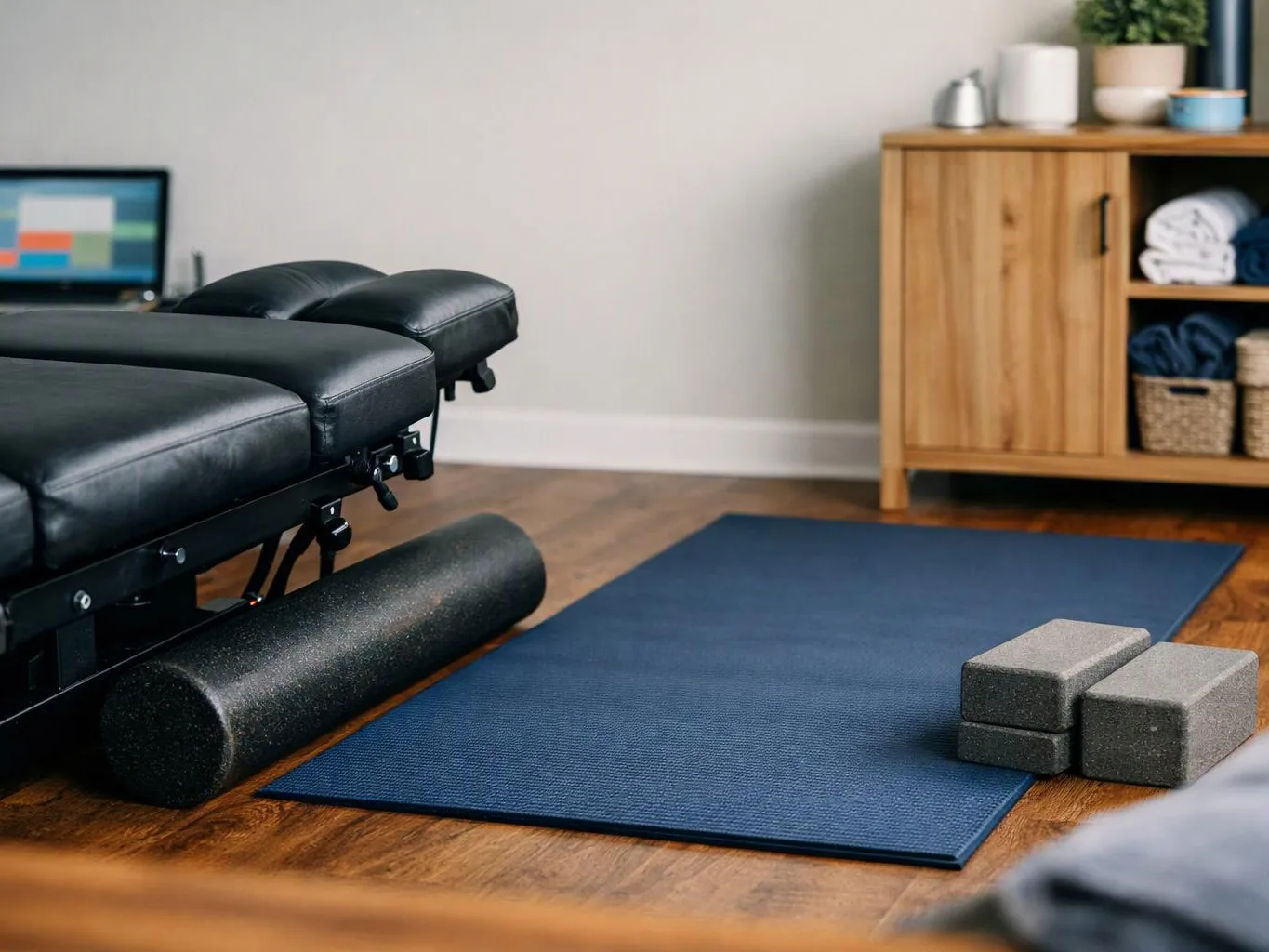
Back, Neck, Sciatica, and Headache Treatment: Questions for Your First Visit
Back pain treatment consultations at Advanced Injury Care Clinic review your symptoms, health history, movement, examination findings, and care options so you can ask informed questions about treatment.
Request an EstimateWhat Should You Bring to a Back Pain Treatment Consultation?
Back pain treatment consultations are easier to assess when you bring your symptom history, relevant health information, medication details, and available medical records. Advanced Injury Care Clinic uses these details to understand how your symptoms affect movement and daily activities.
Bring a list of your current medications and information about previous treatment. Imaging reports, such as MRI or X-ray reports, can also help us review the background of your condition. Wear comfortable clothing that allows our team to observe posture and movement during the physical examination.
Which Signs and Symptoms Should You Describe?
Symptom assessment works best when you describe where symptoms start, how they move, and what makes them better or worse. Clear details help us connect pain location with movement limits and possible nerve irritation.
What Happens During the First Consultation?
A first consultation combines a discussion of your symptoms with a physical and neurological assessment before we explain appropriate care options. Our chiropractic evaluation focuses on the pattern of your symptoms, your movement, and relevant examination findings.
What Causes Can We Discuss During the Visit?
Back and neck symptoms can have more than one contributing cause, so our team considers the full symptom pattern during the musculoskeletal evaluation. The visit helps connect your pain triggers with movement, posture, and examination findings.
How Do Back, Neck, Sciatica, and Headache Symptoms Relate?
Back, neck, sciatica, and some headache symptoms can involve related musculoskeletal or nerve structures, so we assess the complete symptom pattern rather than one painful area alone. The spine supports movement and houses structures connected with the nervous system.
Neck pain may contribute to a tension headache when muscles and joints in the neck affect surrounding tissues. Symptoms along the sciatic nerve may create radiating pain into the leg. Referred pain can also feel distant from the structure contributing to the problem.
Our team considers the spine, nervous system, and musculoskeletal system together when discussing neck pain treatment, sciatica treatment, or headache treatment.
What Questions Should You Ask About Your Treatment Options?
Useful treatment questions ask which option matches your findings, what the option is intended to address, and how progress will be evaluated. Your questions should also connect the care plan with your daily activities and treatment goals.
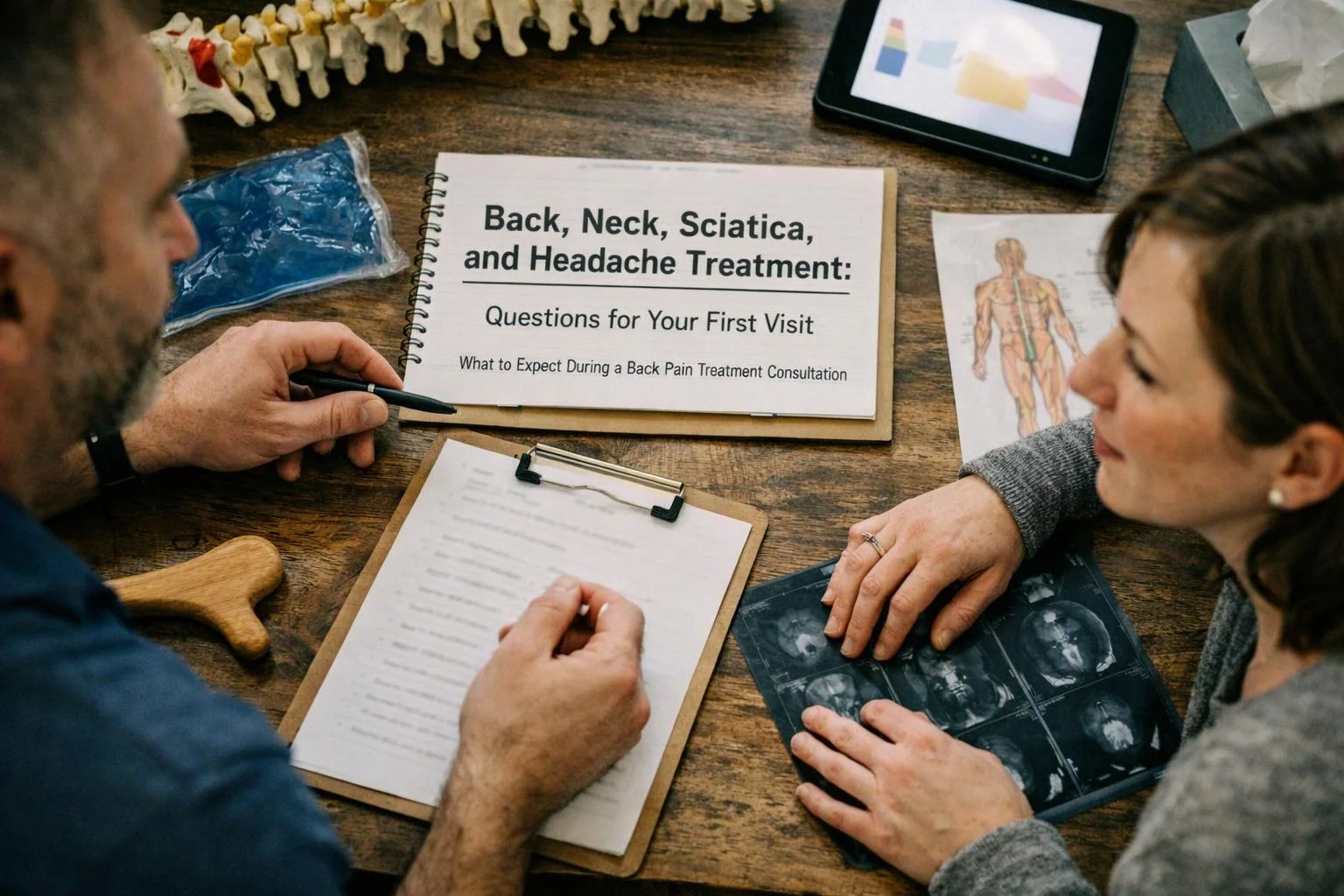
How Does Spinal Decompression Therapy Compare With Other Back Pain Care?
Spinal decompression therapy is one treatment option we assess against your symptoms and examination findings, while other back pain care may focus on movement, joints, muscles, or overall spinal function. The right choice depends on the clinical findings and your care goals.
| Care option | What we assess | Questions to ask |
|---|---|---|
| Spinal decompression therapy | Disc-related symptoms, symptom patterns, and examination findings | Does this fit my findings and care goals? |
| Movement-focused care | Mechanical back pain, movement limits, and spinal function | Which movements should support my progress? |
| Manual therapy | Joint or muscle restrictions linked with symptoms | What area is this approach intended to address? |
Treatment assessment helps us match care with the type of symptoms and the response we observe. We explain why an option may or may not suit your findings before building the treatment plan.
What Prevention Steps Can Support Spine and Headache Care?
Prevention steps can reduce common strain on the spine and support comfortable movement between visits. Our team connects these suggestions with your symptoms, work demands, and daily routine.
How Do We Build a Treatment Plan After the Consultation?
Treatment plans use your symptoms, examination findings, goals, and treatment preferences to explain a care plan. Advanced Injury Care Clinic offers Free Consultations so we can discuss suitable care options before treatment planning.
We consider your clinical findings and previous treatment when outlining the next steps. Progress monitoring may include changes in movement, symptom distribution, daily activities, and your response to care.
When Should You Ask About a Different Cause of Pain?
New or worsening warning signs, significant trauma, progressive weakness, or changes in bladder or bowel function require prompt medical discussion before routine chiropractic care is considered. These signs can indicate a need for medical referral or urgent assessment.
Tell us about loss of coordination, sudden changes in sensation, or symptoms that continue to worsen. We use this information to decide whether the planned chiropractic consultation is appropriate or whether medical evaluation should come first.
Questions About Your First Spine Care Visit
What should I wear to a chiropractic consultation?
Advanced Injury Care Clinic recommends comfortable clothing that allows easy movement during the physical examination. Clothing should let our team observe posture and assess range of motion without restricting movement.
Should I bring my MRI or X-ray reports to a back pain appointment?
Yes, bring available MRI or X-ray reports to a back pain appointment. Imaging information can add context to your health history and help us relate previous findings to your current symptoms.
Can I discuss neck pain and headaches during the same consultation?
Yes, you can discuss neck pain and headaches during the same consultation. We assess the connection between the neck, spine, muscles, and symptom pattern before discussing headache treatment or neck pain treatment.
What should I tell the chiropractor about sciatica symptoms?
Describe where the symptoms begin, how far they travel, and whether you notice numbness, tingling, or muscle weakness. Also explain the activities that trigger symptoms and any changes in walking, sitting, or standing.
How do I know whether spinal decompression therapy is suitable for my back pain?
Spinal decompression therapy may be suitable only when your symptoms and examination findings support that approach. We review your health history, symptom pattern, physical examination, and care goals before explaining whether it fits your treatment plan.
Advanced Injury Care Clinic can review your symptoms, answer patient questions, and discuss appropriate care options during a chiropractic consultation.
Contact our team Get a Free EstimateRelated Resources
Sciatica Warning Signs: When Leg Pain and Numbness Need Treatment
When You Need ItSigns Poor Posture Is Causing Neck Pain and Headaches
Compared ToSpinal Decompression Therapy vs. Chiropractic Adjustment
Brand vs BrandSpinal Decompression Therapy Providers Worth Comparing in Hermitage (2026)