Spinal Decompression Therapy: What It Is and What to Expect
Spinal decompression therapy is a chiropractic treatment approach that uses controlled spinal traction to support specific treatment goals. Advanced Injury Care Clinic evaluates your symptoms and health history before explaining whether this service fits your care plan.
Request an EstimateWhat Is Spinal Decompression Therapy?
Spinal decompression therapy is a chiropractic treatment approach that applies controlled traction to the spine while we assess whether the method matches your symptoms and care goals. Advanced Injury Care Clinic uses symptom evaluation, movement assessment, and safety screening to guide that discussion.
Spinal traction therapy may be discussed as part of conservative chiropractic care. The approach can involve lumbar decompression or cervical decompression, depending on the area being evaluated and the treatment goals we identify.
What Signs May Lead Someone to Consider Spinal Decompression Therapy?
Back and neck symptoms may lead someone to ask about this treatment approach. Our team reviews the symptom pattern before deciding whether a decompression treatment discussion is appropriate.
These signs can have different causes and do not automatically indicate that spinal traction is suitable. We use a chiropractic evaluation to connect symptoms with safe, reasonable treatment goals.
What Can Contribute to Spinal Symptoms?
Spinal symptoms can develop from changes in the spine, physical strain, or an injury. Our team considers the possible contributors during the health history and movement assessment.
These factors can overlap, so one symptom does not identify one cause. We use the findings from your evaluation to shape an individualized care plan.
How Does Our Team Evaluate Whether Treatment Fits?
Advanced Injury Care Clinic evaluates your health history, symptoms, movement, and treatment goals before we decide whether spinal decompression therapy is appropriate to discuss.
Our physical examination may include range of motion, movement quality, and neurological findings. We also ask how symptoms affect daily function and whether your goals focus on comfort, mobility, or functional movement.
Neurological symptoms receive careful attention during safety screening. If the findings suggest that another form of care is more appropriate, we explain that concern and discuss the next step with you.
How Should You Prepare for Spinal Decompression Therapy?
Patient preparation helps our team understand your symptoms and make the consultation more useful. Bring clear information about your health and the changes you want to address.
Patient preparation does not require you to decide on treatment before the visit. We review the information with you and explain how it relates to the care plan.
What Happens During a Spinal Decompression Therapy Session?
A spinal decompression therapy session uses controlled traction while our team positions you, monitors your comfort, and adjusts the care plan according to your response.
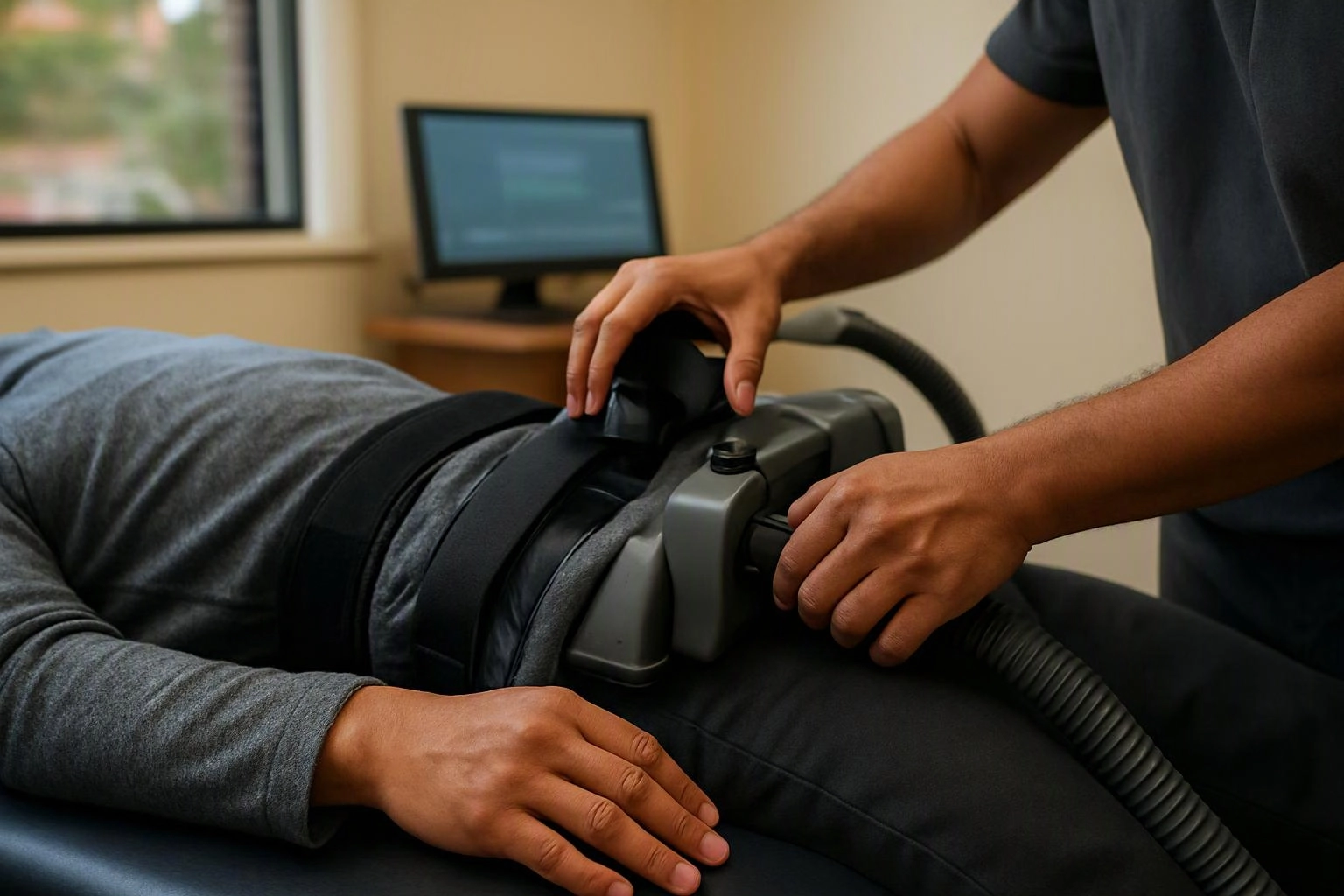
You are positioned on a treatment table in a way that matches the area being addressed. The traction force and spinal positioning are guided by the plan we discussed after your evaluation.
Patient communication remains part of the treatment session. We ask about comfort, watch for changes, and provide session instructions so you understand what to do during and after care.
What Are the Main Treatment Goals?
Spinal decompression therapy treatment goals may include supporting comfort, movement, and daily function when those goals fit the findings from your evaluation.
Pain management may be one goal when symptoms interfere with work, rest, or ordinary activities. Other goals may include improving mobility, supporting functional movement, or addressing pressure-related symptoms.
Goals are individualized because symptoms and examination findings vary. We use your response to care and your stated priorities to guide adjustments to the care plan.
Which Prevention Steps Can Support Spinal Health?
Spinal health benefits from habits that reduce avoidable strain and support comfortable movement. Our team can help you connect these habits with your symptoms and daily routine.
Prevention steps should match your current comfort and movement ability. We can discuss practical changes as part of an individualized care plan.
What Should You Ask Before Starting Treatment?
Questions about treatment suitability and goals can help you make an informed choice. Bring these topics to your consultation so our team can address them in the context of your findings.
Clear answers help you understand what the treatment session involves. We explain the reasoning behind our recommendations before care begins.
How Do You Discuss the Cost of Spinal Decompression Therapy?
The cost of spinal decompression therapy depends on the evaluation findings, recommended care plan, and applicable coverage, so we explain what the plan includes when you request an exact quote; Advanced Injury Care Clinic offers Free Consultations.
Cost drivers can include the treatment plan, the number of visits recommended, the complexity of the evaluation findings, and available insurance benefits. We review the expected services and care plan with you before you decide how to proceed.
Contact us for an exact quote based on your evaluation and planned care. Coverage questions may require checking your individual insurance benefits.
When Should You Seek Medical Evaluation for Spinal Symptoms?
Spinal symptoms with severe or rapidly changing neurological signs require prompt medical evaluation before considering chiropractic treatment.
Seek urgent medical evaluation for severe pain, progressive weakness, loss of coordination, or bladder or bowel changes. These signs can require medical attention before a treatment plan is discussed.
Our team uses safety screening to identify concerns that may need prompt medical care. Tell us about any change in neurological symptoms during your consultation.
How Can You Take the Next Step With Our Team?
Advanced Injury Care Clinic can review your symptoms and goals during an initial consultation before we discuss whether Spinal Decompression Therapy belongs in your care plan.
Bring your health history, symptom description, medication list, and treatment questions. We will explain the evaluation findings and connect them to reasonable treatment goals.
Contact Advanced Injury Care Clinic to discuss your symptoms and request an exact quote when appropriate.
Get a Free EstimateQuestions About Spinal Decompression Therapy
Is spinal decompression therapy suitable for every type of back pain?
Spinal decompression therapy is not suitable for every type of back pain, so Advanced Injury Care Clinic reviews your symptoms, health history, physical examination, and neurological findings first. We discuss treatment only when the approach fits your safety screening and goals.
Can spinal decompression therapy be discussed after a previous spinal injury?
Spinal decompression therapy can be discussed after a previous spinal injury when the injury history and current findings support a safe evaluation. Bring related reports and explain how the injury affects your current movement and symptoms.
What information should I bring to a spinal decompression therapy consultation?
A spinal decompression therapy consultation is more useful when you bring your health history, medication list, previous imaging, symptom description, and treatment questions. These details help our team complete a focused symptom evaluation.
How does spinal decompression therapy differ for neck and lower-back symptoms?
Spinal decompression therapy differs for neck and lower-back symptoms because spinal positioning, movement findings, and treatment goals depend on the area being evaluated. We tailor the discussion to cervical or lumbar symptoms after reviewing your examination findings.