Understanding Spinal Stenosis
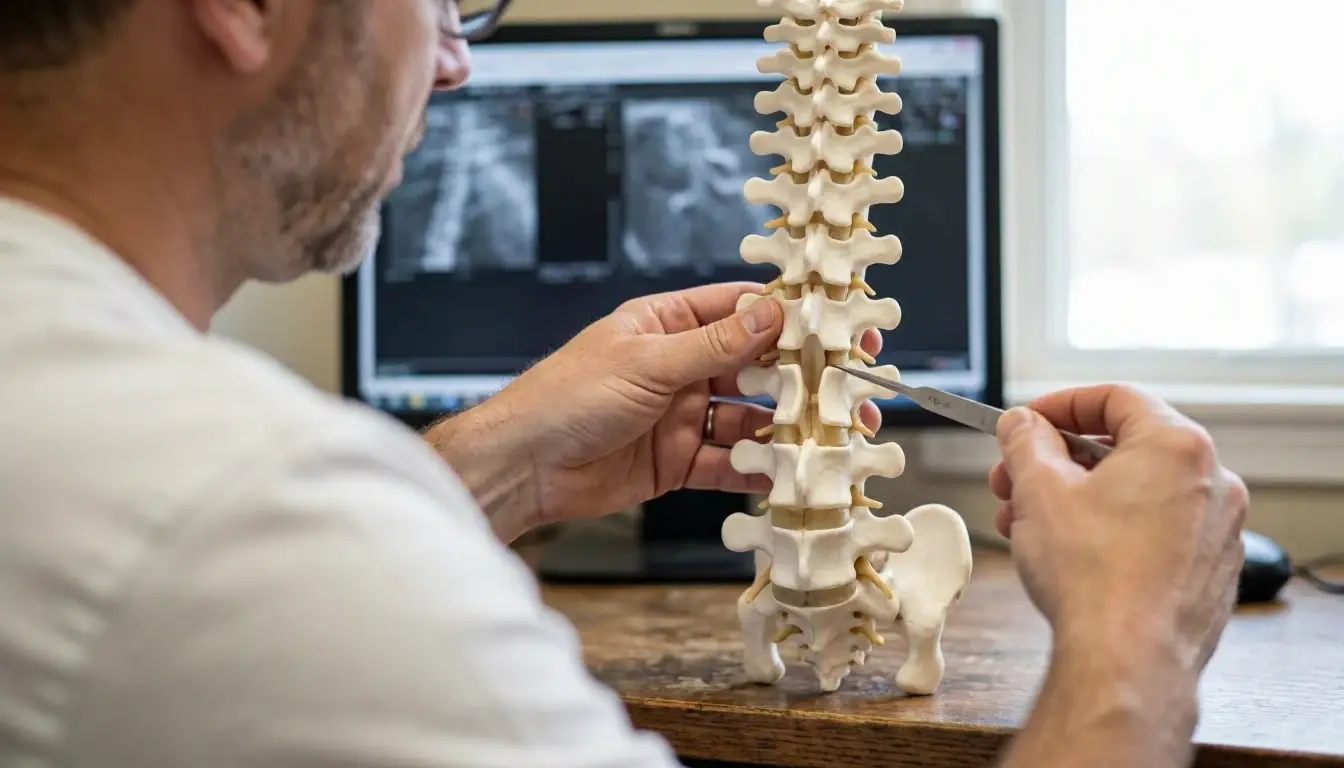
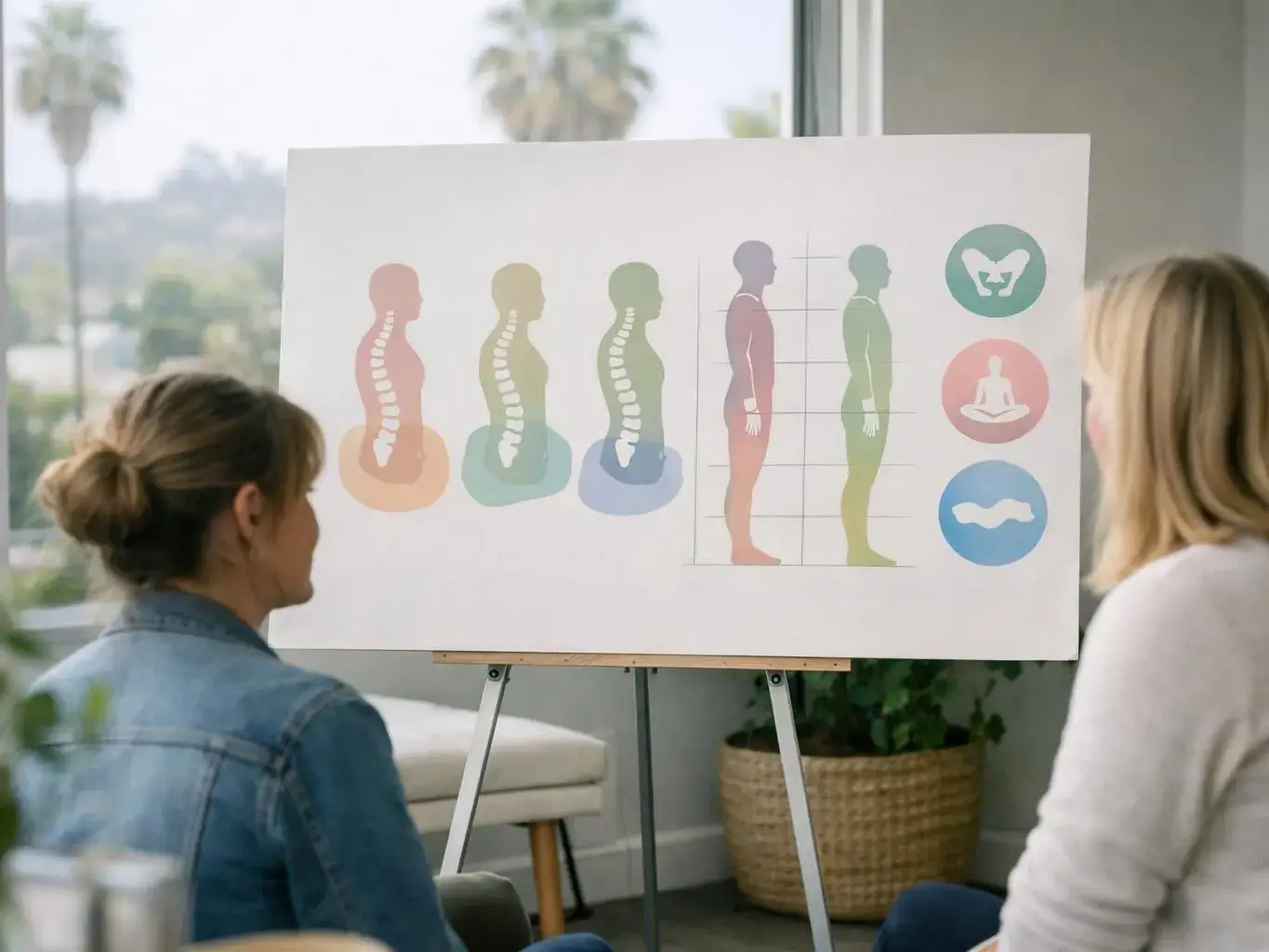
Spinal Stenosis happens when the spine's canal gets too tight. This leaves less room for nerves. The spine has bones called vertebrae.
Between bones are discs. They act like cushions. Over time, these discs can dry out.
Ligaments may get thicker. Small bone spurs can grow. These changes make the canal tighter.
Most Spinal Stenosis cases happen slowly. They come with aging. Some people are born with a small spinal canal.
This makes them more likely to have problems later. Other causes include injuries or tumors. Paget’s disease can also cause it.
This disease affects how bones grow. Spinal Stenosis often hits the neck or lower back. These areas carry the most weight.
How Spinal Stenosis Works?
The spine keeps nerves safe. It also lets you bend and move. The spinal canal runs through the bones.
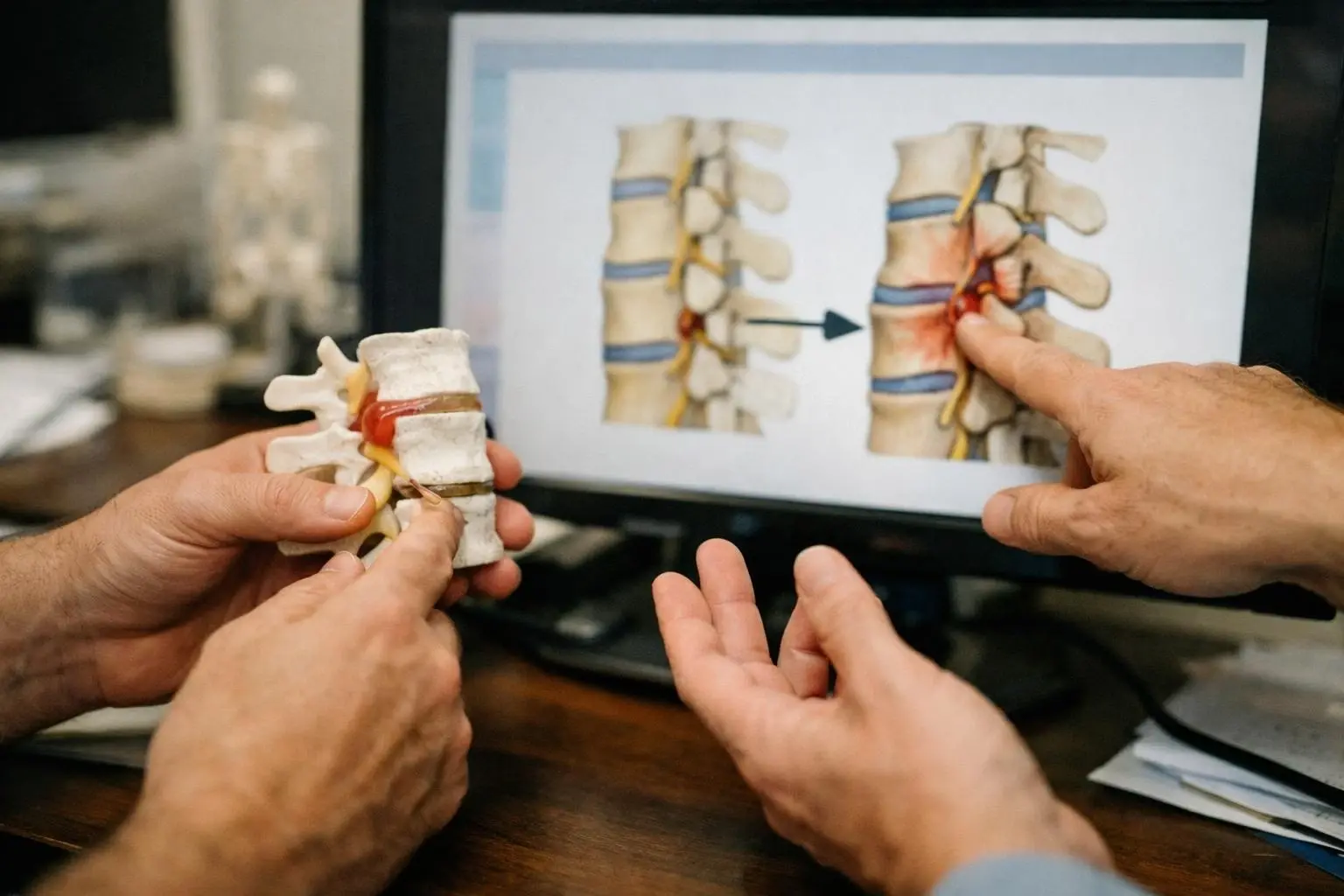
Nerves branch out through holes called foramen. Stenosis makes these spaces too small. This puts pressure on nerves.
Pressure can cause pain or tingling. You might feel weak in arms or legs. The back can also hurt.
Lumbar Stenosis affects the lower back. It can cause leg pain when you walk. This is called neurogenic claudication.
Sitting or bending can help. It eases the pressure. Cervical Stenosis hits the neck.
It can cause arm or hand problems. Balance issues may happen too. Severe cases can lead to myelopathy.
Myelopathy means the spinal cord is squeezed. This can make walking hard. Coordination may get worse.
Doctors use tests to find Stenosis. X-rays, MRIs. Or CT scans help. These show where the spine is too narrow.
Doctors also check your body. They ask about your health. Symptoms come on slowly.
They can look like arthritis or muscle strain. So tests are very important.
Why Spinal Stenosis Matters?
Spinal Stenosis can make daily life hard. It causes pain and limits movement. This lowers quality of life.
Someone with lumbar Stenosis may struggle. They can't walk far or stand long. Shopping or trips become tough.
Cervical Stenosis can hurt fine skills. Writing or buttoning may get hard. Balance can also suffer.
This raises the risk of falls. Early help keeps symptoms from getting worse. It helps you stay independent.
Stenosis isn't deadly. But severe cases can harm nerves. That's why care is so important.
Treatment can be simple. Physical therapy or medicine may help. Surgery is for bad cases.
The goal is to ease nerve pressure. It reduces pain and improves movement. This helps you stay active.
When Spinal Stenosis Matters Most?
Spinal Stenosis matters when it hurts daily life. Pain or weakness can stop work or fun. Then it's time to see a doctor.
Early help can stop symptoms from getting worse. This is key if nerves cause weakness. People over 50 are at higher risk.
The spine changes with age. This can lead to Stenosis.
Some signs need quick care. Losing bladder or bowel control is one. This could mean cauda equina syndrome.
It's rare but very serious. Weak arms or legs may also need fast help. Regular check-ups can track the condition.
Doctors can change treatment as needed. This keeps symptoms under control.
In Hermitage, TN, chiropractors help with Stenosis. They offer non-surgical treatments. Spinal decompression can ease nerve pressure.
Gentle adjustments and exercises help too. They improve how you move. Knowing about the condition helps you choose care.
This keeps you active and healthy.