
What Is Pelvic Floor?
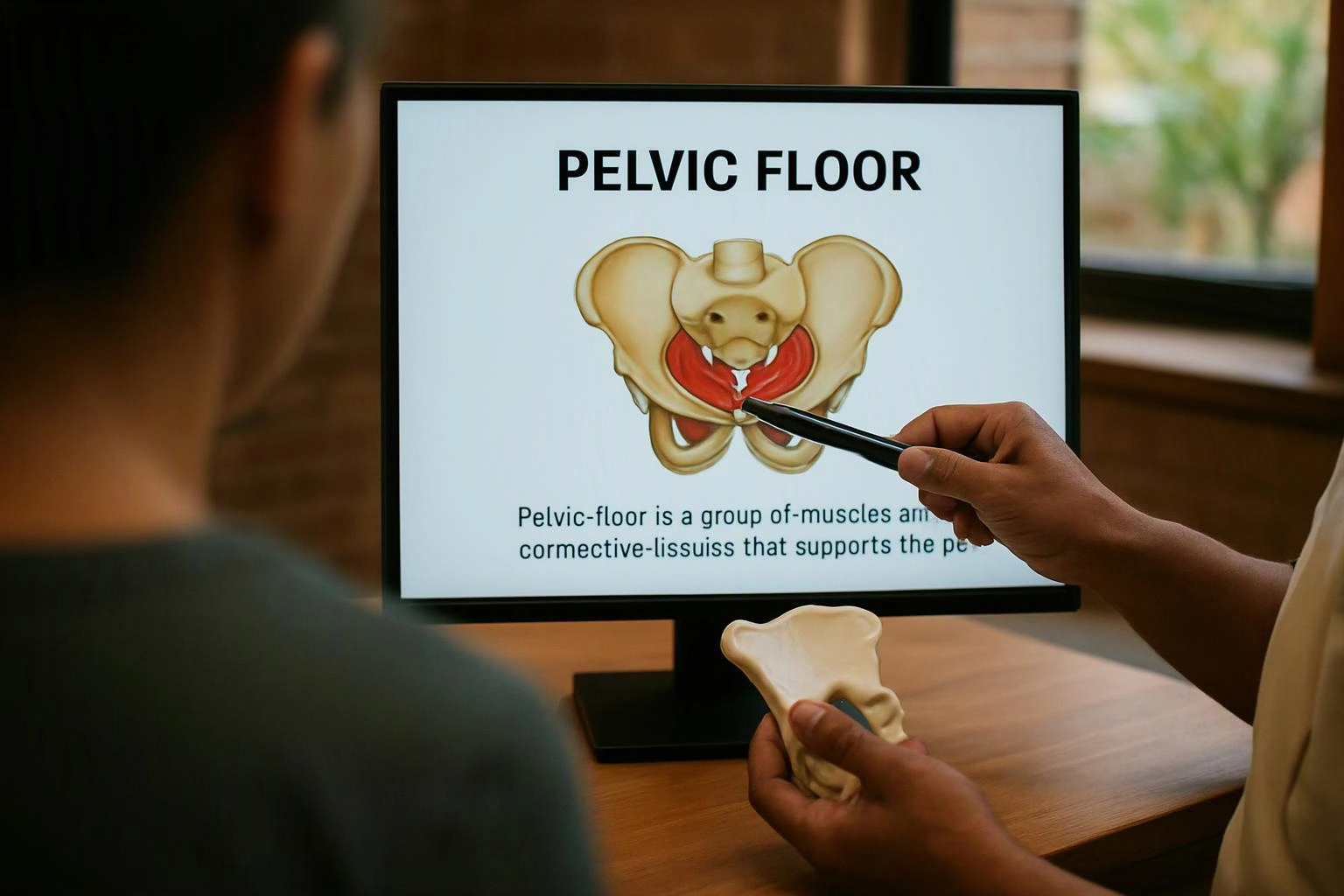
Pelvic Floor is a group of muscles and connective tissues that supports the pelvic organs and helps control bladder, bowel, and sexual functions. These tissues stretch from the pubic bone toward the lower spine and form the base of the pelvis. Pregnancy and childbirth can change how the pelvic floor feels and functions.
Quick Facts About Pelvic Floor
Category
Muscle and connective tissue system
Used for
Pelvic support and bodily control
Common confusion
Not the same as the pelvic bones
Also called
Pelvic floor muscles
Often discussed with
Prenatal Chiropractic Care
Key Takeaways About Pelvic Floor
- The pelvic floor forms the base of the pelvis.
- Coordination matters as much as muscle strength.
- Pelvic floor concerns are not limited to pelvic pain.
How Pelvic Floor Works
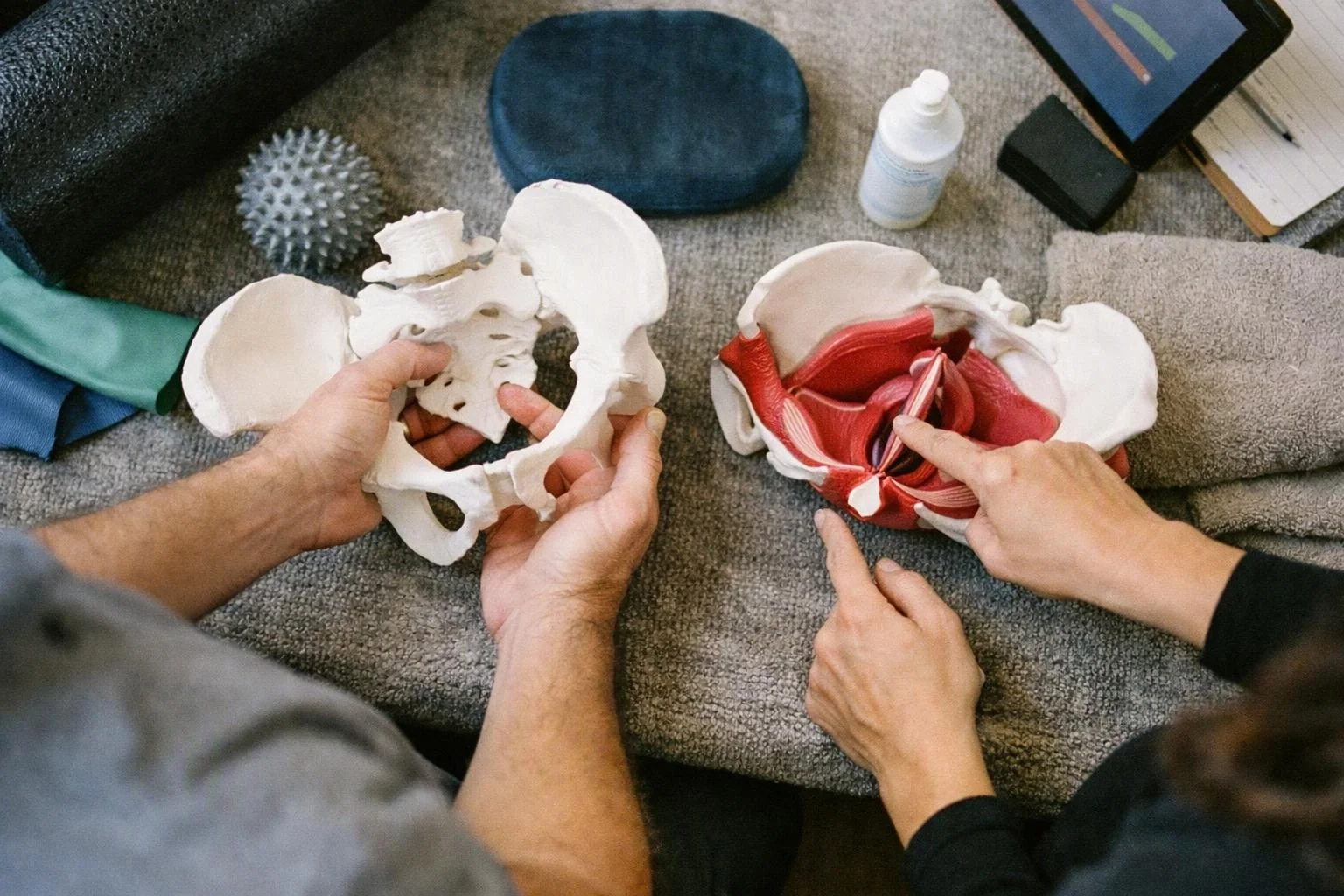
Pelvic Floor function depends on coordinated movement among muscles, connective tissues, nerves, and nearby joints. The muscles tighten to support pelvic organs and relax to allow normal bladder and bowel activity. They also respond to changes in posture, pressure, breathing, and movement.
Related glossary terms: Anterior Pelvic Tilt, Diastasis Recti, Lumbar Spine.
During pregnancy, added load and changes in body position can affect pelvic floor coordination. Prenatal chiropractic care may consider the relationship between pelvic alignment, the sacroiliac joint, and surrounding soft tissues. Assessment may include a discussion of symptoms, movement patterns, and comfort during ordinary activities. A chiropractic evaluation does not replace specialized pelvic health care when symptoms require another type of assessment.
From the Advanced Injury Care Clinic team
When we discuss the pelvic floor during prenatal care, we consider movement, posture, pelvic comfort, and the way the lower back and hips work together. We use that information to guide our chiropractic assessment and keep the focus on the pregnant person’s reported symptoms and functional goals.
Pelvic Floor in Practice: A Real-World Example
A pregnant person may notice pelvic pressure or discomfort while walking, rolling in bed, or standing from a chair. During prenatal chiropractic care, the team may review those movement concerns alongside the lower back, hips, and pelvic region.
Related Services
Related Terms
Anterior Pelvic Tilt
Anterior Pelvic Tilt is a postural position in which the front of the pelvis rotates forward…
Diastasis Recti
Diastasis Recti is a separation between the left and right sides of the rectus abdominis muscle…
Lumbar Spine
Lumbar Spine is the lower section of the vertebral column between the thoracic spine and sacrum…
Sacroiliac Joint
Sacroiliac Joint is the connection between the sacrum at the base of the spine and the…
Advanced Injury Care Clinic
Have Questions About Pelvic Floor?
Contact Advanced Injury Care Clinic for practical guidance on Pelvic Floor and related chiropractor work in Hermitage.