Understanding Chiropractic Radiology

Chiropractic Radiology is a field that combines chiropractic care with medical imaging. Chiropractors or specialized chiropractic radiologists use X-rays, MRI scans. Or CT scans to get a clear picture of what is happening inside a patient’s spine, joints. Or soft tissues. These images help identify problems like misaligned vertebrae, bone fractures, arthritis. Or disc injuries that might be causing pain or limiting movement. Without imaging, some of these issues might go unnoticed during a physical exam alone.
Chiropractic Radiology is different from general radiology because it focuses specifically on the musculoskeletal system—the bones, joints. And muscles that support the body. While general radiologists may read images for many types of medical conditions, chiropractic radiologists have extra training in spotting spinal and joint problems that affect how chiropractic treatments are planned. This helps ensure that adjustments or therapies are safe and custom to each patient’s needs.
How Chiropractic Radiology Works?
When a chiropractor orders imaging, the process usually starts with an X-ray, which is quick and shows bones clearly. If more detail is needed, an MRI or CT scan may be used to see soft tissues like muscles, ligaments. Or spinal discs. The images are taken by a radiology technician and then sent to a chiropractic radiologist or the chiropractor themselves to review. They look for signs of misalignment, degeneration. Or injury that could explain a patient’s symptoms.
A common issue is Once the images are analyzed, the chiropractor uses the findings to guide treatment. For example, if an X-ray shows a misaligned vertebra, the chiropractor might perform a gentle adjustment to correct it. If arthritis is detected, they might recommend exercises or therapies to reduce stiffness and pain. Imaging is not needed for every patient. But it can be very helpful when symptoms are unclear or when a patient is not responding to initial treatments.
Why Chiropractic Radiology Matters?
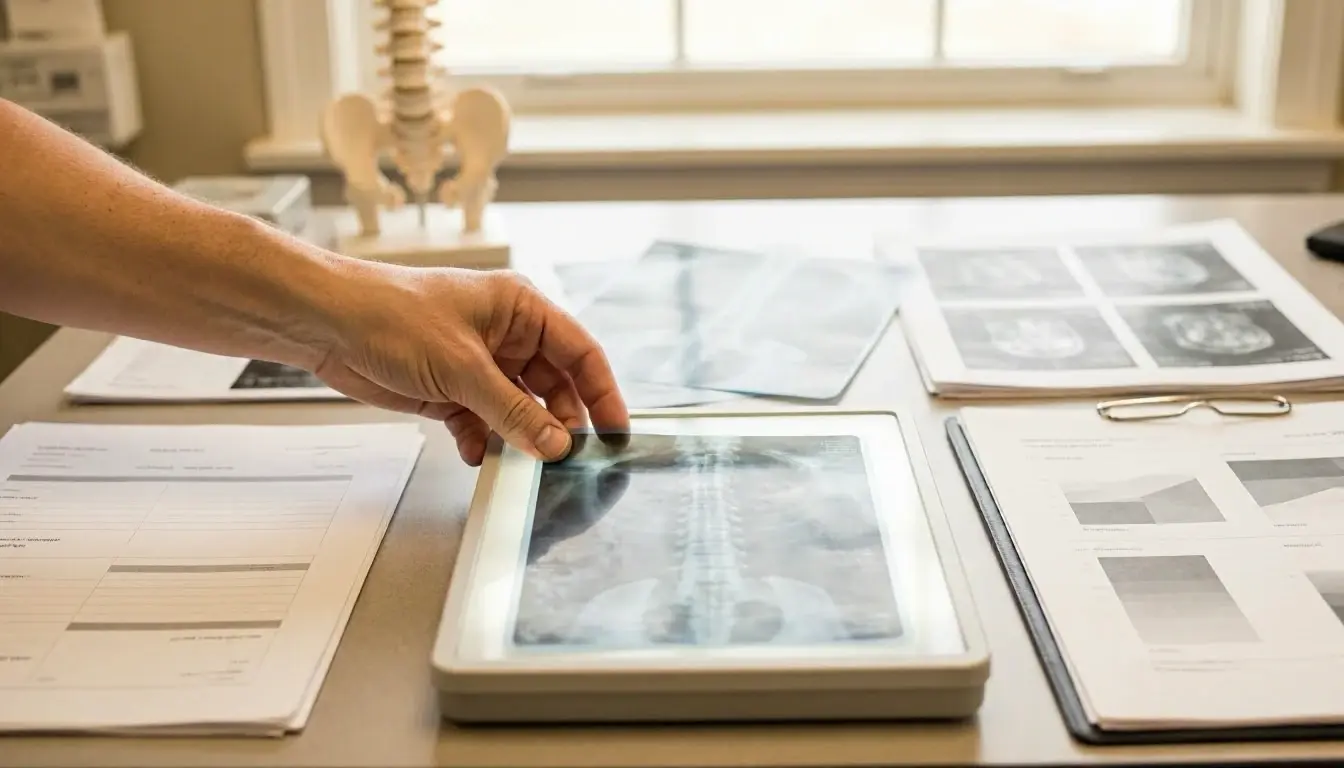
Chiropractic Radiology plays an important role in patient safety and treatment effectiveness. By using imaging, chiropractors can avoid guessing about what might be causing a patient’s pain or discomfort. This reduces the risk of treatments that could make certain conditions worse, such as fractures or severe arthritis. Imaging also helps chiropractors track progress over time, especially for chronic conditions like scoliosis or degenerative disc disease.
Another key benefit's that imaging can reveal problems that might need a referral to another specialist. For example, if an X-ray shows a tumor or infection, the chiropractor can send the patient to a medical doctor for further evaluation. That way that patients get the right care for their specific needs, whether it is chiropractic treatment or another type of medical intervention.
When Chiropractic Radiology Matters Most?
Chiropractic Radiology is most useful in certain situations. If a patient has severe or long-lasting pain, imaging can help determine the cause. It is also commonly used after injuries, such as car accidents or falls, to check for fractures or ligament damage. Patients with chronic conditions like arthritis or scoliosis may need regular imaging to monitor changes in their spine or joints over time.
Imaging is also important when a patient’s symptoms don't match the results of a physical exam. For example, if a patient has numbness or weakness that suggests nerve involvement, an MRI might be ordered to check for a herniated disc or spinal stenosis. In these cases, imaging provides the clarity needed to make informed treatment decisions. But it is not always necessary—many patients improve with chiropractic care without ever needing an X-ray or scan.