Skip to content

Pediatric Chiropractic Care in Nolensville, Tennessee

Neurological changes receive a careful check in Nolensville before treatment choices are made. Our licensed chiropractor reviews the child’s health history and current concerns.

Upfront, Transparent PricingServing 23 CommunitiesMon-Fri: 9 am–7 pm, Sat: 9 am–2 pm, Sun: ClosedFast Scheduling

Quick Summary: Pediatric Chiropractic Care in Nolensville, Tennessee

Pediatric Chiropractic Care in Nolensville is provided by Advanced Injury Care Clinic for children with musculoskeletal concerns, pain, movement changes, or injury-related needs. Care begins with a thorough evaluation and an individualized treatment plan.

  • What we do: Advanced Injury Care Clinic provides Pediatric Chiropractic Care for children in Nolensville, Tennessee, with evaluation, chiropractic adjustments, therapeutic exercise, and rehabilitative care.
  • What is included: Child-focused health history review, movement assessment, personalized treatment planning, chiropractic adjustments, soft tissue techniques, and therapeutic exercises.
  • What you get: Children receive a clear care plan that addresses movement, comfort, and musculoskeletal needs.

When should a child with neurological changes receive medical evaluation first?

Neurological changes should receive medical evaluation first, especially when they appear suddenly or with severe pain, fever symptoms, recent trauma, or developmental regression. Parents should seek prompt medical guidance before chiropractic treatment when a child has new weakness, confusion, loss of balance, or a marked change in normal function.

Working With Our Team in Nolensville

Pediatric chiropractic care involves more than choosing an adjustment. We first review the child’s health history, symptoms, movement, and daily activities. The goal is to decide whether chiropractic care fits the concern and whether another medical evaluation should come first.

Neurological changes need special attention. Fever symptoms, severe pain, recent trauma, or developmental regression can change the right next step. Parents should share these details before treatment, because a child may need medical assessment before musculoskeletal care.

Children and parents receive guidance based on the evaluation. Care may include chiropractic adjustments, soft tissue therapy, therapeutic exercises, spinal decompression, or rehabilitative care when appropriate. Results vary, and individual response differs.

  • Share new symptoms, recent injuries, fever symptoms, and changes in normal movement.
  • Bring relevant health information and explain the child’s daily activities.
  • Ask how the exam supports the proposed treatment plan.
  • Confirm when medical evaluation should come before chiropractic care.
  • Review follow-up needs and home exercises before leaving.
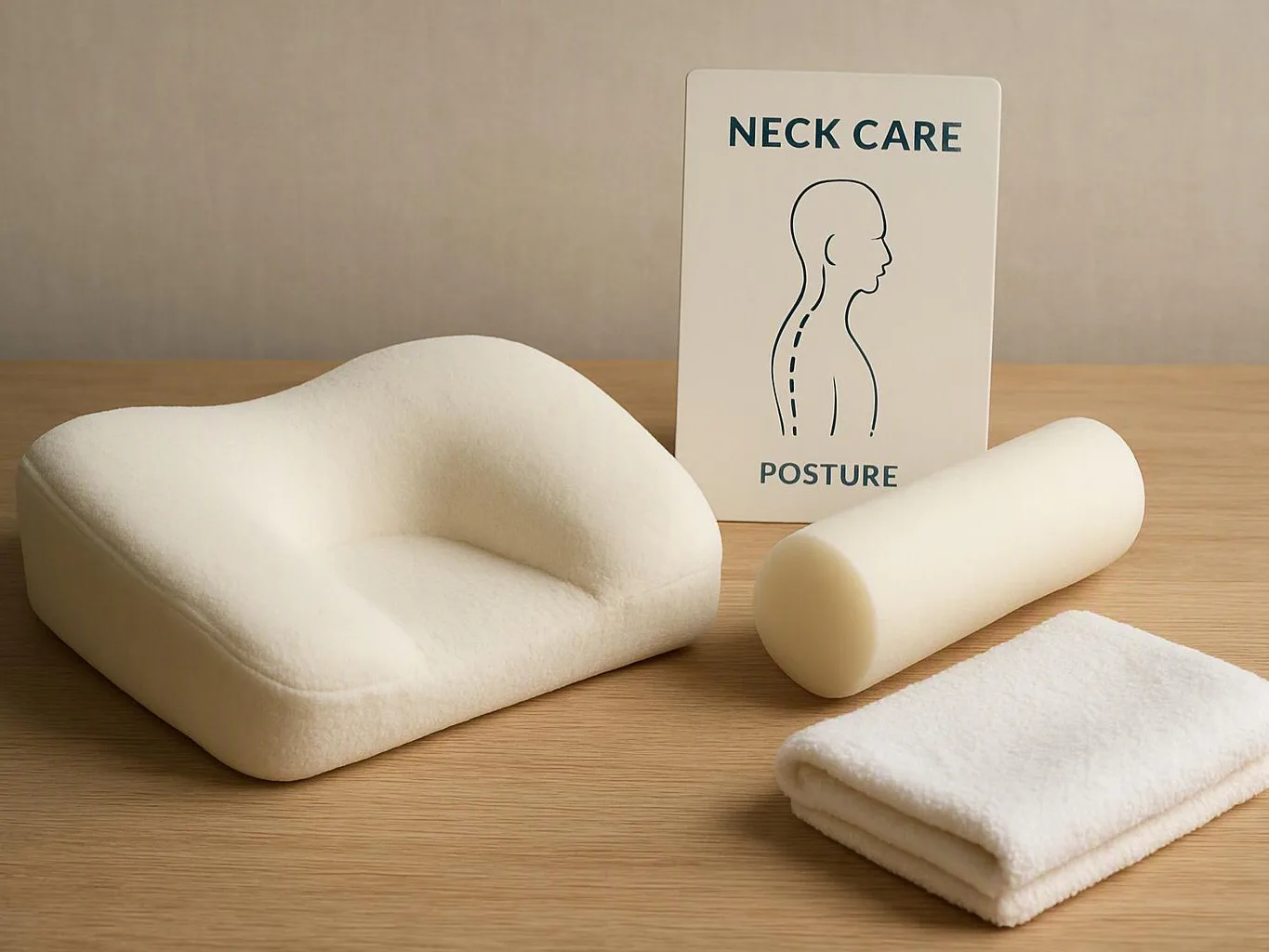
A white neck pillow, a foam cylinder, a folded towel, and a posture card sit on a wooden table

Service Overview

Pediatric chiropractic care is a child-focused health service that assesses movement and musculoskeletal concerns through an exam and tailored treatment plan.

  • Pediatric chiropractic care focuses on the spine, joints, soft tissue, and movement, while medical evaluation addresses warning signs that need broader clinical review.
  • Advanced Injury Care Clinic provides this care for children in Nolensville and nearby Middle Tennessee communities.
Process

How Child-Focused Chiropractic Visits Work

1

Complete the new patient intake

Parents share the child’s health history, symptoms, activities, prior injuries, and care goals. This information gives the exam useful context.

2

Review warning signs and function

We check movement, posture, joint function, and the symptoms that led the family to seek care. Neurological changes, fever symptoms, severe pain, recent trauma, and developmental regression can require medical evaluation first.

3

Explain the report of findings

The licensed chiropractor explains the assessment in plain language. Parents can ask which concerns fit chiropractic care and which need another type of evaluation.

4

Build the personalized care plan

The plan may include chiropractic adjustments, soft tissue techniques, therapeutic exercises, or rehabilitative care. The selected approach follows the child’s needs and goals.

5

Review progress and next steps

Follow-up review checks how the child responds and whether the plan still fits. Care can be adjusted when the child’s condition or goals change.

How We Approach Child-Focused Chiropractic Care

Begin with a suitability check

The first visit starts with a health history and exam. Children with warning signs that need medical evaluation should receive that assessment before chiropractic treatment.

Match care to the child

Our licensed chiropractor uses the examination and the child’s goals to shape a personalized care plan. The plan may include adjustments, soft tissue therapy, or exercise.

Explain each next step

Parents receive a report of findings and practical guidance. We explain what the care addresses, what to watch for, and when follow-up review is useful.

What Child-Focused Chiropractic Visits Include

Advanced Injury Care Clinic provides comprehensive Pediatric Chiropractic Care in Nolensville. Here's what you get:

  • A new patient intake covers the child’s health history, symptoms, activities, and care goals.
  • A physical evaluation reviews posture, movement, joint function, and related musculoskeletal concerns.
  • A report of findings explains what the assessment shows and which care options fit.
  • Chiropractic adjustments are provided when the examination supports their use.
  • Therapeutic exercises and rehabilitative care may support movement between visits.
  • Soft tissue techniques may address muscle tension linked to the child’s concern.

What This Care Can Help Parents Decide

A structured evaluation helps parents understand whether the concern fits musculoskeletal care.

A personalized care plan connects treatment choices with the child’s condition and daily activities.

Therapeutic exercises give families practical ways to support movement outside the office.

Progress re-examination helps the care plan respond to the child’s changing needs.

Clear guidance can help parents recognize when a different medical assessment is more suitable.

Choosing the Right First Evaluation

This comparison shows which first step fits common concerns discussed during a child’s assessment.

ConcernFirst stepWhat we review
Musculoskeletal discomfortChiropractic assessmentMovement, joint function, symptoms, and care goals
Sudden neurological changesMedical evaluation firstOnset, severity, function, balance, strength, and related warning signs
Recent trauma with severe symptomsMedical guidance before treatmentInjury details, pain level, movement changes, and other symptoms

The Advanced Injury Care Clinic Standard

  • Personalized Care
  • Thorough Evaluations
  • Clear Explanations
  • Respectful Environment

Questions Parents Ask About Child-Focused Chiropractic Care

When should neurological changes receive medical evaluation first?

Neurological changes should receive medical evaluation first when they appear suddenly or with severe pain, fever symptoms, recent trauma, or developmental regression. New weakness, confusion, loss of balance, or a major change in normal function needs prompt medical guidance. Parents should share the medical findings before chiropractic treatment so the care plan fits the child’s situation.

How is care matched to a child before treatment starts?

Treatment is matched through a health history, physical exam, symptom review, and discussion of the child’s goals. Parents describe daily activities, past injuries, and changes in movement. The licensed chiropractor then explains whether adjustments, soft tissue therapy, therapeutic exercise, or another option fits the findings.

What should be ready before the first visit?

A parent should be ready to describe symptoms, health history, recent injuries, daily activities, and the child’s main care goal. Relevant medical records can add useful context when available. A clear timeline helps the assessment, especially when pain or movement changes began after an event.

Which warning signs should stop a chiropractic visit?

Severe pain, fever symptoms, recent trauma, developmental regression, or sudden neurological changes should stop routine chiropractic treatment until medical guidance is obtained. These signs can change the child’s care needs. Parents should explain the full symptom picture before an adjustment or exercise plan is considered.

Why might a child need a progress re-examination?

A progress re-examination checks whether the child’s movement, symptoms, and daily function have changed. Individual response differs, so the original plan may need adjustment. The review also gives parents a chance to discuss new concerns, home exercises, or the need for another evaluation.

What should parents ask before agreeing to care?

Parents should ask what the exam found, which treatment is proposed, and when medical evaluation is more suitable. They can also ask how progress will be checked and what home exercises involve. These questions help the family understand the plan before choosing an adjustment or related treatment.

Can a chiropractor address sciatica or headaches in a child?

Sciatica or headaches in a child require an evaluation before chiropractic care is selected. The assessment reviews symptoms, movement, health history, and warning signs. Our team may recommend chiropractic care for a suitable musculoskeletal concern, but medical evaluation comes first when symptoms suggest a broader issue.
Contact

Discuss Pediatric Chiropractic Care in Nolensville

Contact Advanced Injury Care Clinic to discuss your child’s symptoms and request an assessment. During the first days after reaching out, you can share the main concern, review what to bring, and learn how the evaluation will guide the next step.

A smiling man in a navy polo stands beside a chiropractic table in a treatment room

ZIP Codes We Serve in Nolensville, Tennessee

37135

Pediatric Chiropractic Care in Other Areas

The health and wellness information on this website is for general informational purposes only and is not medical advice. It does not create a provider-patient relationship. Always consult a qualified licensed provider in Hermitage, Tennessee, United States about your specific condition before making care decisions. Individual results vary.

(615) 265-0412