How is neck pain treatment planned?
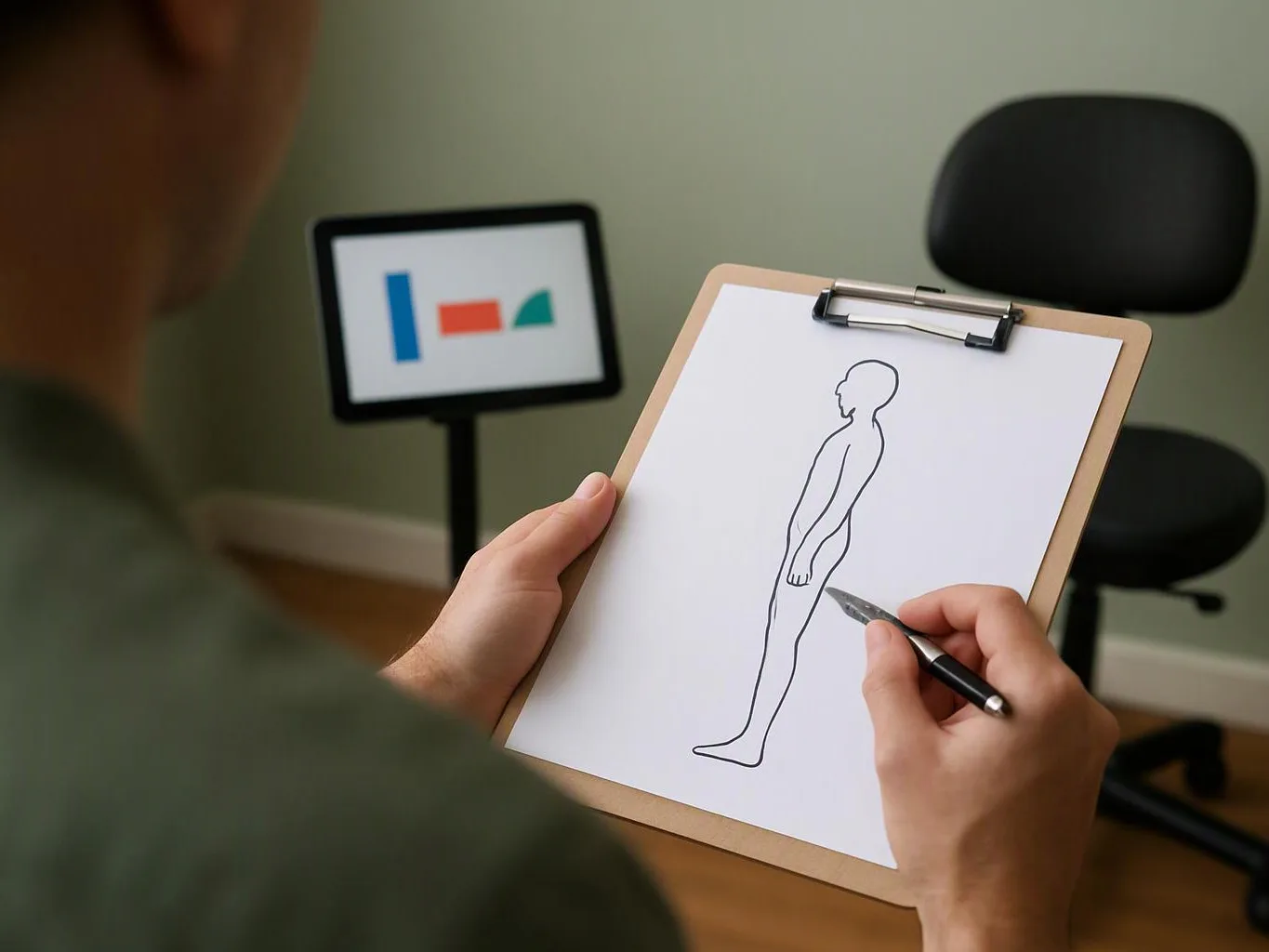
Range testing helps guide the plan after we review your symptoms, posture, and treatment goals. Advanced Injury Care Clinic connects those findings with your daily needs and comfort level. The plan may include adjustments, exercises, soft tissue therapy, or spinal decompression when appropriate. Follow-up checks help us discuss progress and refine care.
What should I bring to my first appointment?
Your symptom history is the most useful information for a first visit. Bring details about when the pain began, past injuries, current symptoms, and activities that make movement harder. Notes about headaches, shoulder pain, or whiplash can also help. Our team uses this information during the intake and exam.
Which part of the evaluation decides the treatment scope?
The health history and physical exam decide which parts of care fit your condition. Posture, movement, pain patterns, and treatment goals help shape the plan. Our team also considers whether symptoms need medical evaluation outside chiropractic care. We explain the findings before selecting any treatment method.
When should neck pain receive medical attention first?
Neck pain needs medical attention first when symptoms suggest a serious condition or fall outside chiropractic care. Sudden severe symptoms, major trauma, new weakness, or unusual changes need prompt medical review. Tell our team about these concerns during intake. We can help identify when a different evaluation is more suitable.
Why might neck pain return after it improves?
Neck pain can return when movement limits, posture habits, injury effects, or daily strain remain active. Our team reviews what changed and what activities bring symptoms back. A maintenance plan may support mobility when it fits your goals. Individual response differs, so follow-up care should match your condition.
Can chiropractic care address whiplash-related neck pain?
Yes, chiropractic care can address whiplash-related neck pain after an evaluation confirms that the approach fits. Our team reviews the injury history, neck movement, headaches, shoulder symptoms, and daily limits. Care may include gentle adjustments, exercises, soft tissue therapy, or other methods selected for your findings.
How do treatment goals affect the care plan?
Treatment goals affect which movements and daily tasks guide the care plan. A patient focused on driving, work, sleep, or exercise may need different progress checks. We discuss those goals during the exam and connect them with suitable methods. The plan can change when symptoms or function change.