What techniques are used for headache treatment?
Neck mobilization is checked first, then spinal adjustments, soft tissue therapy, posture correction, or stretching may be selected. The exam guides the method.
Our team matches care to neck motion, muscle tension, posture, prior injury, and your goals. Individual response differs, so the plan can change after progress reviews.
How does a headache visit move from the first call to the last step?
The visit moves from intake and examination to findings, treatment planning, care, and progress review.
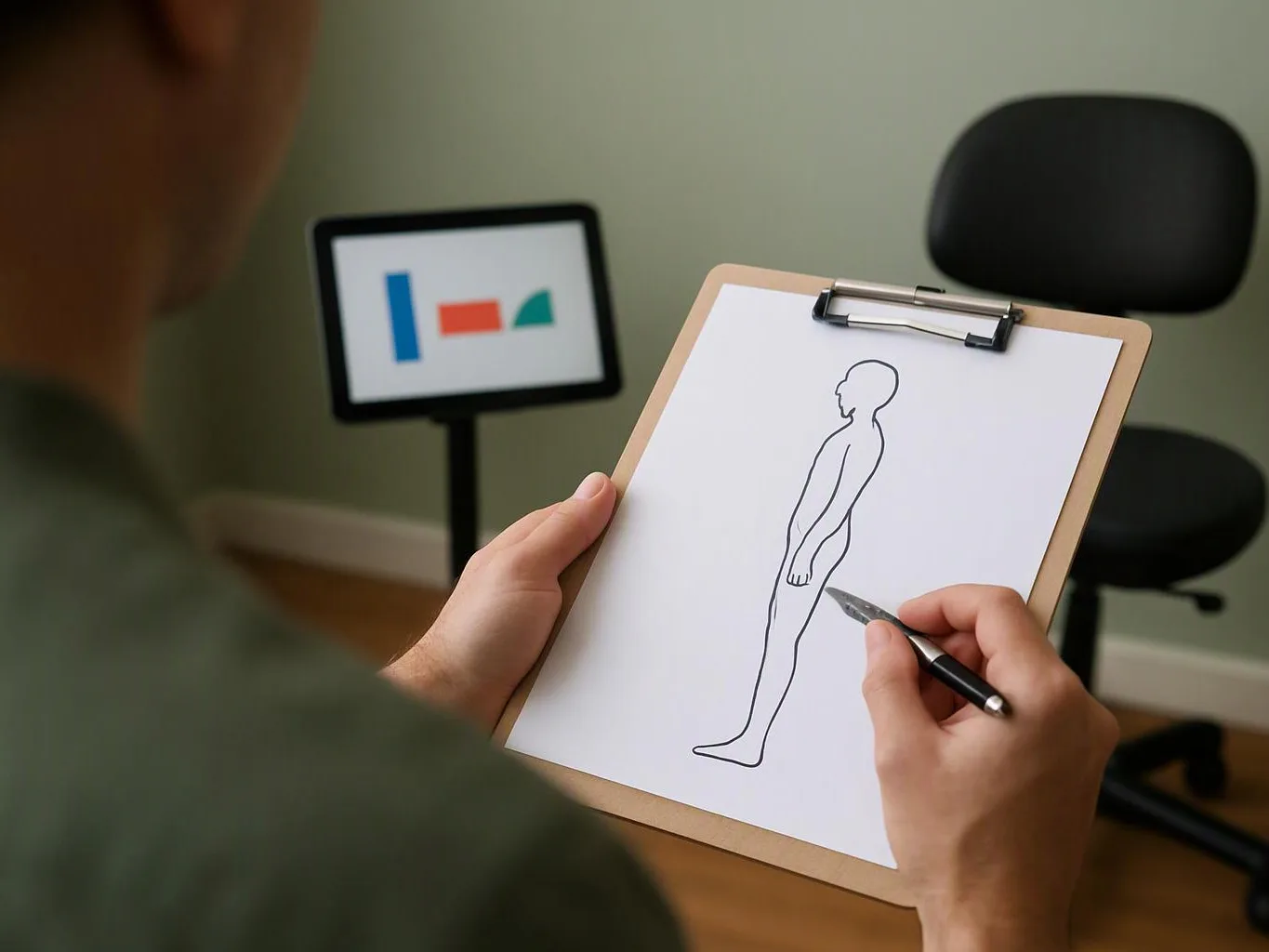
The health history records your symptoms and goals. The exam checks movement and posture. We then explain the plan, apply suitable methods, and review the next step as your condition changes.
Which part of the assessment decides the treatment scope?
The examination decides the treatment scope by linking symptoms with neck motion, posture, muscle tension, and injury history.
A focused finding may support manual care and exercises. Other findings may call for a different medical assessment before chiropractic treatment. We explain that decision during the report of findings.
How can I tell whether chiropractic headache care fits my symptoms?
Chiropractic headache care may fit symptoms that occur with neck pain, restricted movement, posture strain, or related muscle tension.
A consultation checks whether those factors appear in your history and exam. Sudden severe head pain, fainting, new weakness, or other warning signs need urgent medical evaluation instead.
What should I bring to my first headache appointment?
Your symptom history, injury details, medication list, and relevant medical records help us assess your headache concern.
Bring notes about when symptoms start, neck pain, past whiplash, and daily activities that affect movement. Our new patient intake adds those details to the health history and care plan.
Do I need X-rays before seeing a chiropractor for headaches?
X-rays aren't required for every headache visit, and we consider them when clinically indicated.
The initial health history and physical examination guide that decision. Tell us about prior injuries, changes in symptoms, and existing records so the assessment can stay focused on your needs.
Can posture correction and exercises replace spinal adjustments?
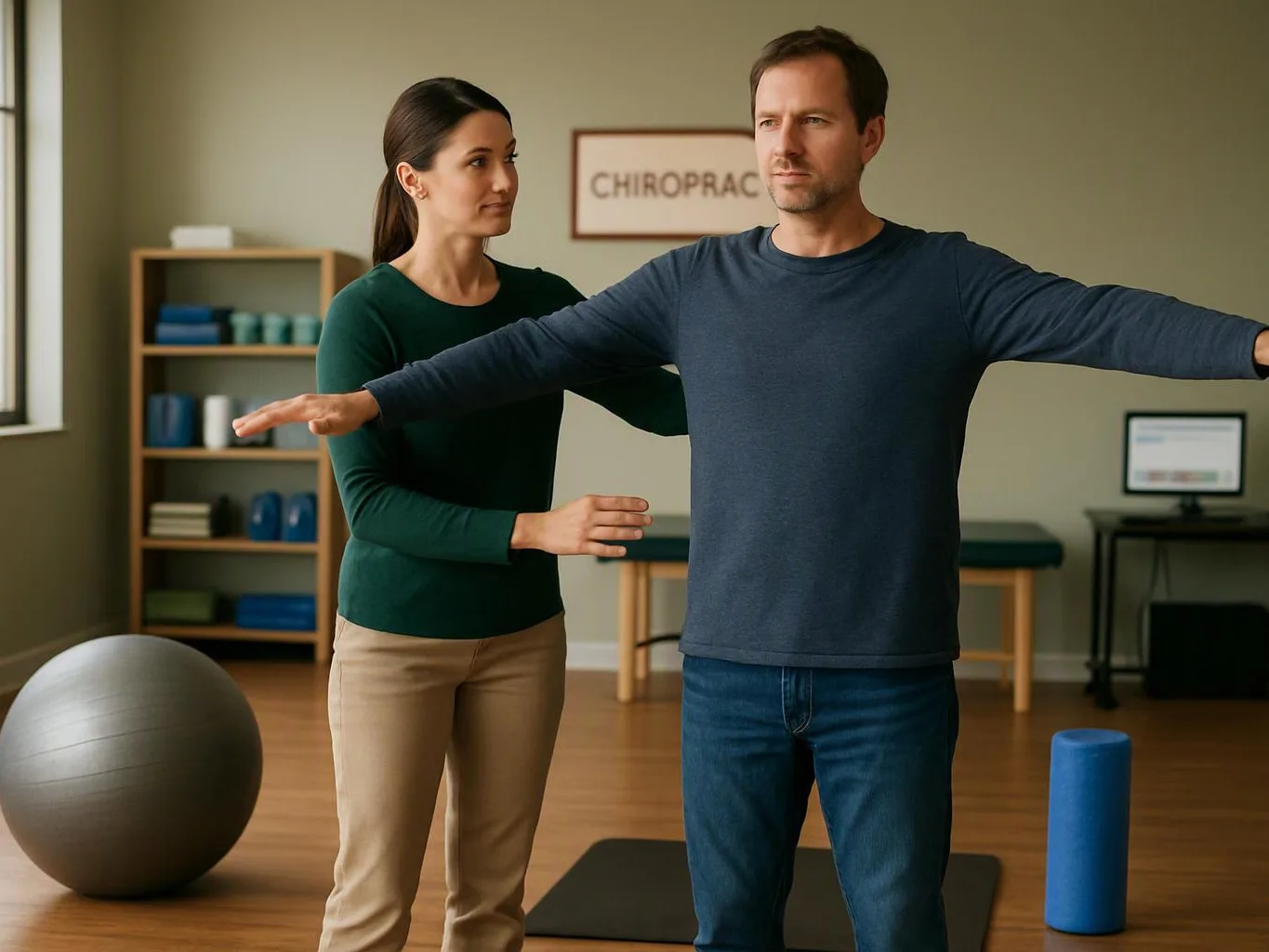
Posture correction and exercises don't replace every treatment method because the plan depends on examination findings.
Some patients need active movement work, while others may also benefit from spinal adjustments or soft tissue therapy. We select the methods that match your symptoms, movement limits, and care goals.