How Spinal Decompression Therapy Works
Spinal decompression therapy uses controlled traction to gently stretch the spine and may ease pressure on spinal structures. At Advanced Injury Care Clinic, we assess whether it's a suitable option for your symptoms.
Request an EstimateHow does spinal decompression therapy work?
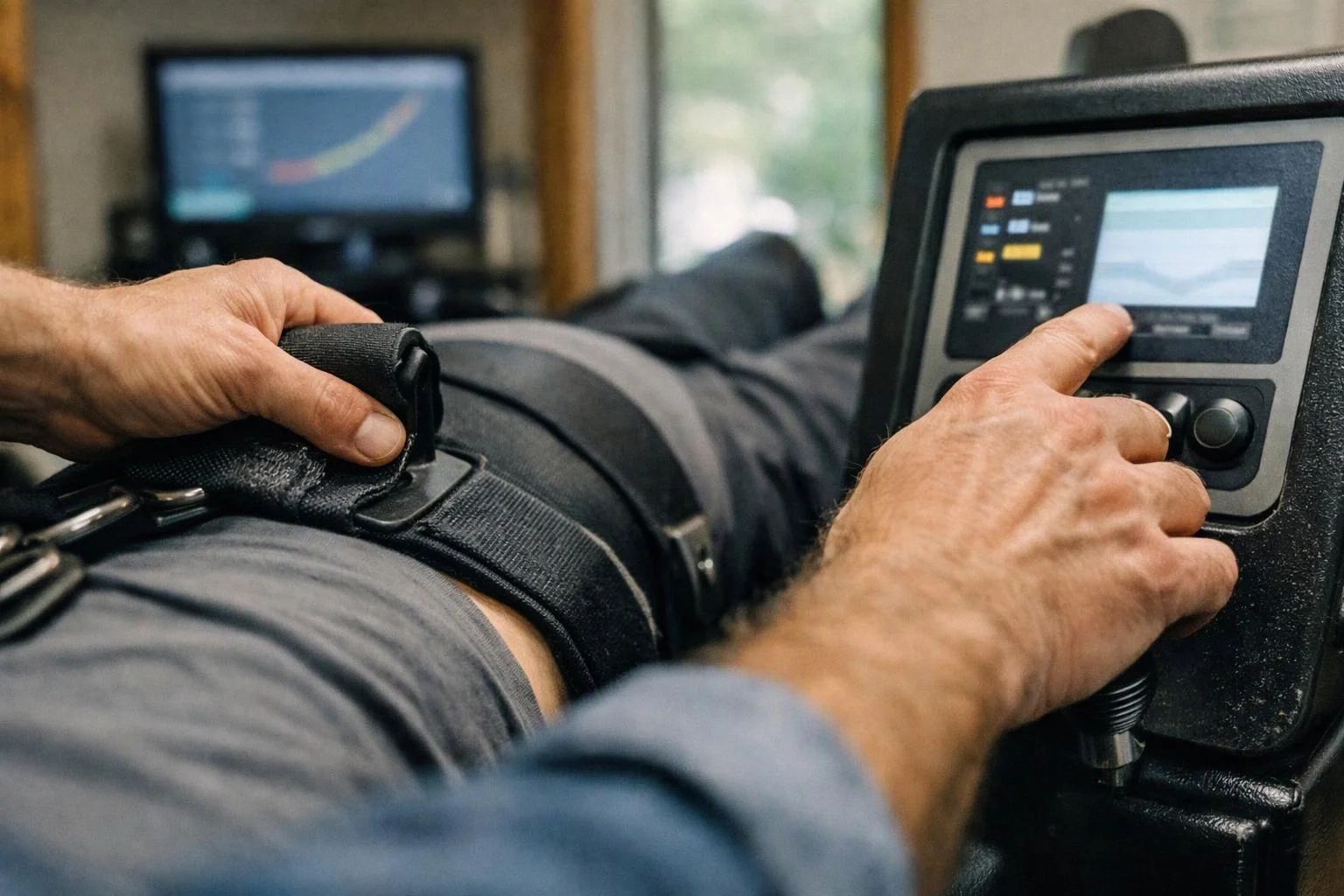
Spinal decompression therapy works through controlled traction, a gentle pulling force applied to the spine. We use a treatment table to apply and adjust that force.
The pull may change pressure around spinal discs and irritated nerves. Our Spinal Decompression Therapy is a form of nonsurgical spinal traction. We assess your symptoms before deciding whether it fits your care plan.
What happens during spinal decompression therapy?
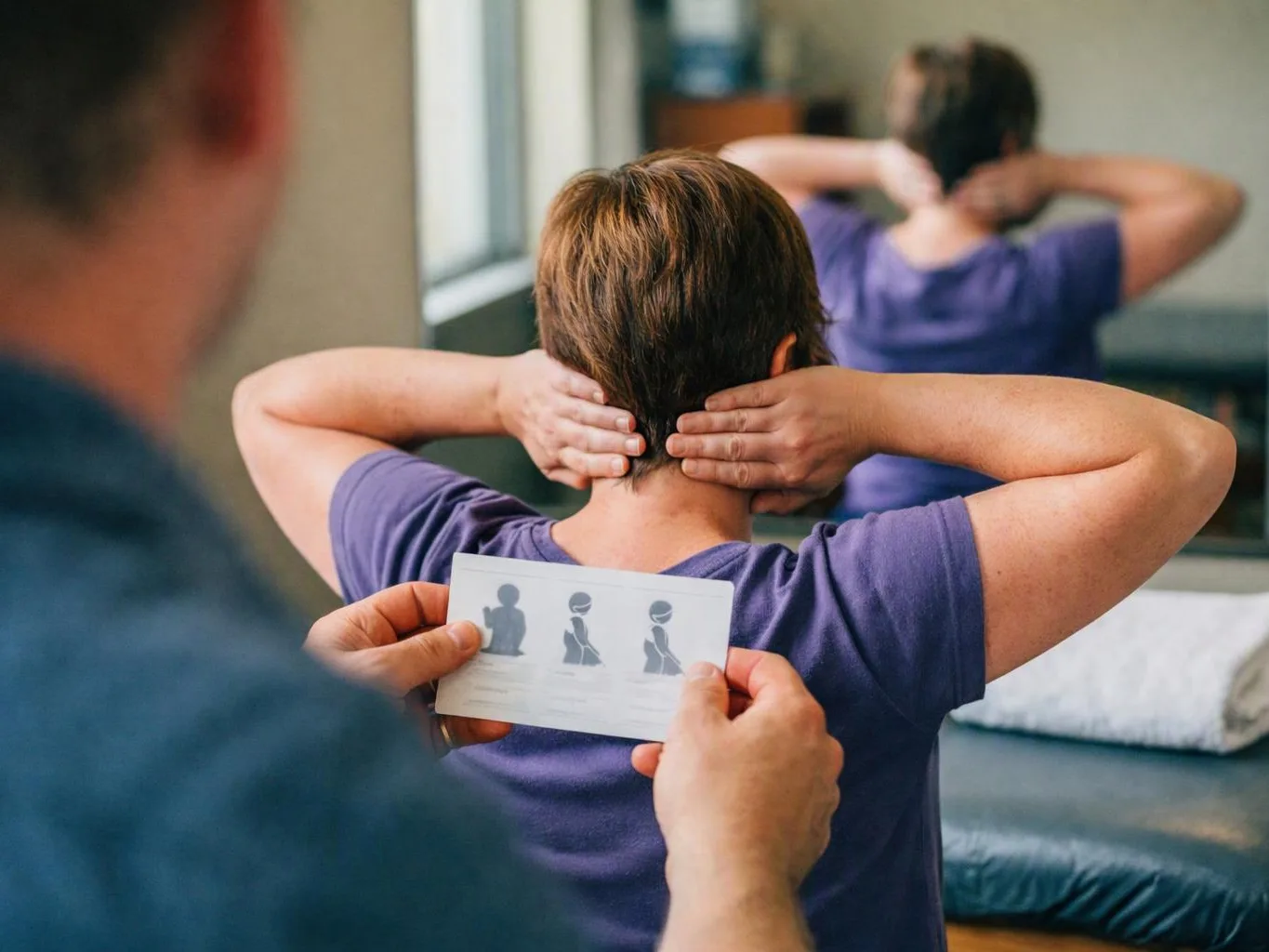
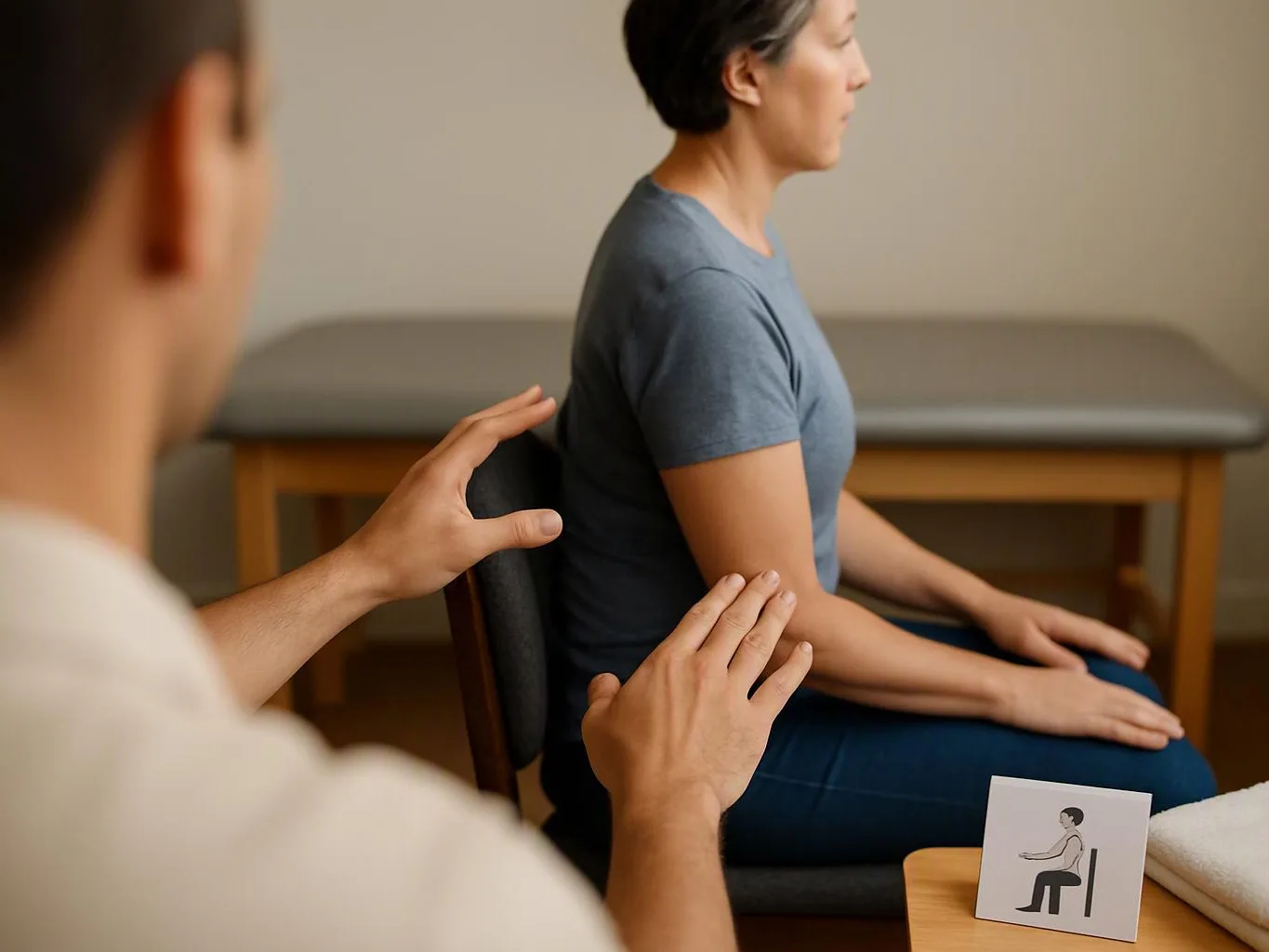
Spinal decompression therapy begins with an assessment and uses controlled traction tailored to your needs. We check your comfort throughout the process and adjust the plan based on your response.
What does traction do to discs and nerves?
Traction gently separates spinal structures and may reduce pressure around irritated nerves, but the effects vary. We monitor your symptoms because a comfortable pull doesn't always mean the underlying problem has changed.
A spinal disc is a cushion between the bones of the spine, called vertebrae. A nerve root is a nerve branch that leaves the spinal cord and can become irritated by nearby tissue. The evidence doesn't establish that traction repairs discs or reliably relieves nerve pressure, so we discuss its limits as part of your care plan.
What should you expect during treatment?
Spinal decompression treatment involves positioning and controlled pulling, and you should report discomfort or worsening symptoms. We use your feedback to adjust or stop traction when needed.
| Part of treatment | What you may notice | What to communicate |
|---|---|---|
| Positioning | Support from the table and positioning equipment | Tell us if the position feels uncomfortable. |
| Traction | A controlled pulling or stretching sensation | Tell us if the pull causes pain or feels too strong. |
| Symptom check | Symptoms may ease, stay the same, or worsen. | Report any new or worsening symptoms promptly. |
Who may benefit from spinal decompression therapy?
Spinal decompression therapy may be an option for some people with disc-related pain or sciatica after an assessment. At Advanced Injury Care Clinic, we consider your symptoms and health history before recommending traction.
A herniated disc can irritate a nearby nerve root and contribute to back pain or leg pain. Herniated Disc Treatment depends on the cause and severity of your symptoms. Responses to traction vary, and it may not be the right choice for everyone.
How can you prepare for spinal decompression therapy?
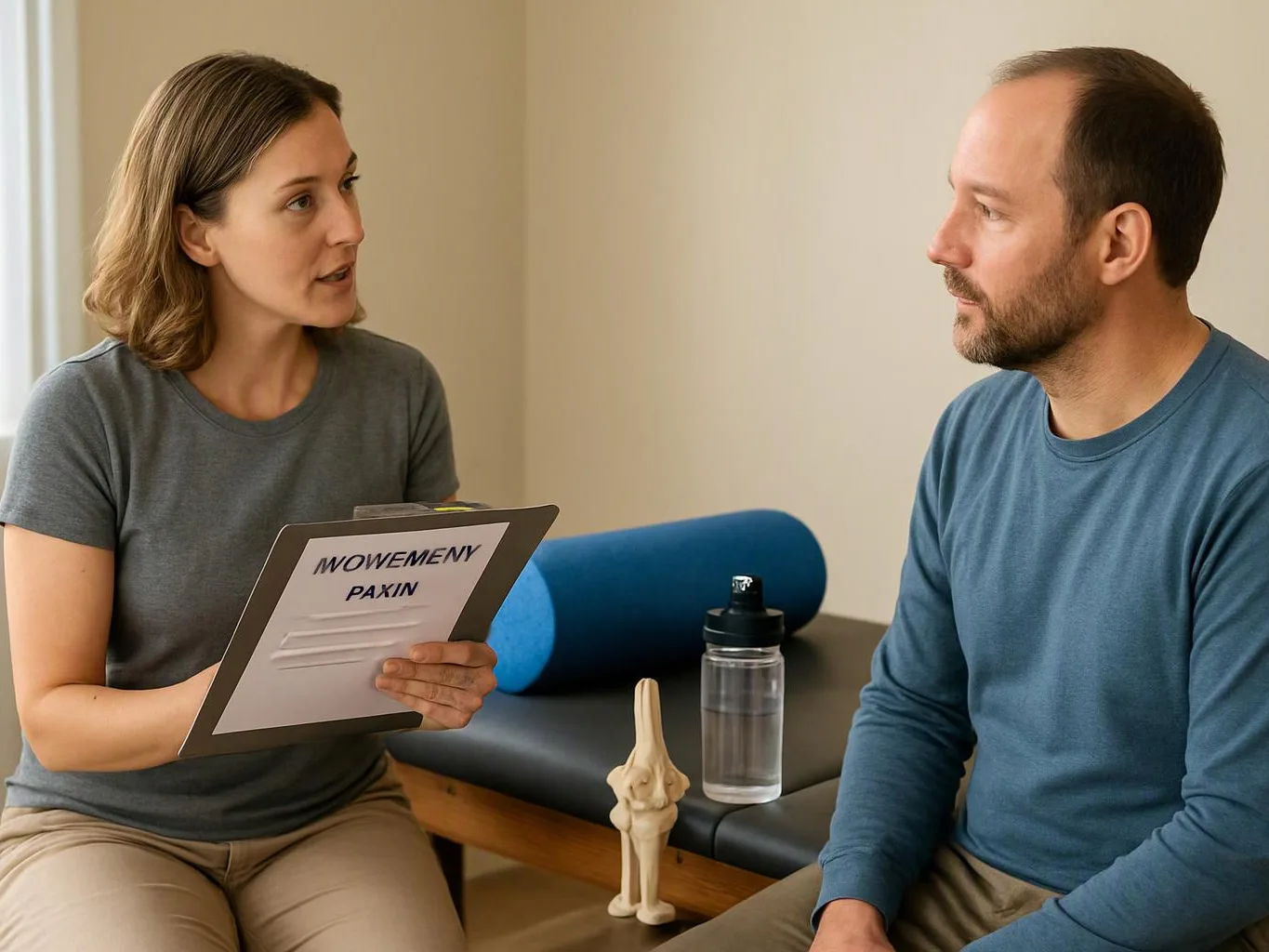
Preparation for spinal decompression therapy includes sharing your symptoms and health history with us. The details help us assess whether traction is a suitable choice.
When might spinal decompression be unsuitable?
Spinal decompression may be unsuitable when a condition makes traction unsafe. We review your health history before treatment and consider any contraindications, or reasons to avoid it.
Spinal instability, a fracture, or osteoporosis can make traction unsafe. Pregnancy and prior spinal surgery also need careful review. We assess your circumstances and discuss other care options when traction isn't appropriate.
What symptoms need urgent medical attention?
New bladder or bowel control problems, numbness in the saddle area, or progressive leg weakness need urgent medical attention. Seek emergency medical care if you have these symptoms; don't wait for a traction appointment.
The saddle area includes the skin around your groin and inner thighs. These changes can signal serious nerve compression that needs prompt assessment.
How does spinal decompression compare with other care?
Spinal decompression is a traction-based option, while other care may focus on movement, pain relief, or surgical evaluation. We discuss your goals and symptoms when considering these choices.
Exercise and other conservative spine care may help you move more comfortably and manage symptoms. Lumbar decompression targets the lower back, while cervical decompression targets the neck. Evidence for traction has limits, and a surgical evaluation may be appropriate for severe or worsening nerve symptoms.
Contact Advanced Injury Care Clinic to discuss your symptoms and whether spinal decompression fits your care plan. We'll explain the proposed care and provide an exact quote on request.
Request a QuoteWhat Are the Key Specifications to Know?
- Topic Focus
- How Spinal Decompression Therapy Works
- Related Core Service
- Spinal Decompression Therapy
- Evaluation Method
- On-Site Inspection & Written Scope
- Compliance Standard
- Local Building Code & Manufacturer Specs